
High-Performance Drills for Granite Quarry Work
Decentralized & Compressor-Free Quarrying Systems
Evaluating the Commercial, Economic, and Technical Shift in Modern Granite Excavation.
Granite quarrying has historically been defined by massive, energy-intensive machinery. The traditional setup relies on heavy-duty pneumatic rock drills tethered to enormous diesel-powered air compressors. While this configuration provides high impact energy, it poses severe logistical, financial, and environmental challenges, especially in remote or high-altitude sites. The industrial demand for "No Air Compressor" rock drilling setups—which include self-powered gasoline/electric drills, highly localized micro-compressor rigs, or integrated mobile units—has surged dramatically.
In modern dimensional stone quarrying, operators are prioritizing modularity. Dragging hundreds of meters of heavy high-pressure air hoses across rugged quarry floors leads to significant pressure drops, high risk of hose rupture, and massive fuel consumption by centralized compressors running at idle. By adopting localized, highly efficient portable piston compressors (like the W1.8/5) right at the drilling face, or transitioning to independent mechanical/hydraulic units, quarries can reduce operational costs by up to 35% while maintaining the percussive power needed to penetrate high-quartz granite.
Deep Dive: Critical Application Scenes in Granite Quarries
Dimensional Stone Harvesting
To extract high-value granite blocks without causing internal micro-fractures, precision is vital. Handheld drills like the Y19A and YT29A are used to drill highly aligned, shallow splitting holes. Operators then insert mechanical wedges (plug and feathers) to split the stone cleanly along its natural rift, maximizing the yield of structural-grade slabs.
High-Altitude Bench Drilling
In mountainous quarry regions (such as those in India, Brazil, or Norway), transporting a 3-ton diesel compressor up steep, unpaved roads is economically unfeasible. Compact systems utilizing localized diesel piston compressors (e.g., W1.8/5) paired with high-performance air-leg drills allow workers to scale benches and drill blast holes rapidly.
Secondary Block Dressing
Once a massive granite block is dislodged, it must be dressed to standard shipping dimensions. Using heavy crawler rigs for this task is inefficient. Portable air picks like the G10 and B37, operating on localized or highly portable air sources, allow operators to trim irregular corners directly on the quarry floor before transport.
Additionally, underground granite mining for civil infrastructure or tunneling presents unique ventilation challenges. Traditional heavy diesel compressors produce high levels of carbon monoxide and nitrogen oxides, requiring massive ventilation shafts. Transitioning to decentralized electric-powered hydraulic or high-efficiency micro-pneumatic systems dramatically reduces underground air purification costs while keeping carbon emissions to a minimum.
Company Profile
SHENLI is a leading supplier of superior pneumatic tools for the construction, mining, and industrial markets. Since 2005, the Shenli brand has been synonymous with quality and innovation. For over a decade, the SHENLI brand has represented performance, innovation, and quality in the pneumatic tool industry. The SHENLI product line now offers a complete line of pneumatic tools, a wholly owned factory, pneumatic tools, and a full line of accessories.
With superior product performance, as well as superior product reliability, competitive pricing for factory direct sellers, exceptionally ergonomically designed tools, and quality warranty terms, Shenli has become an industry leader. We take every customer's problem seriously so that we can solve our common challenges, and choosing Shenli is just the beginning for you. SHENLI will provide reliable service and support through every step of the process from product consultation to final delivery.
Company Mission
Striving to be a world-class supplier of rock drills. Adhering to the development experience of pneumatic tools for many years, Shenli takes "customer first, service first" as the spirit of enterprise, and "strive to become the world's first-class rock drill provider" as the vision, constantly innovate technology, strive for perfection, and open up a broader market for customers.
Corporate Culture
- More AttentiveWork together, keep improving.
- More FocusedWith sincerity, you can achieve anything.
- More ThoughtfulCustomer first, service first.
- Dare to InnovateKeeping up with the times and forging ahead.

Global Project Cases & Client Success Stories


Dutch Clients: Precision Rock Drill Order for Granite Quarry Work
The Dutch customer came to our factory and was satisfied with the production equipment, raw materials as well as advanced processes that we have in place. The client then signed a custom order for 500 units after being shown all of these great things about what is possible here at this facility! They hope long-term cooperation can occur between both parties moving forward since they are happy overall from their visit today.


U.S. Customers: Long-term Partnership for Quarry Excavation Equipment
The American customer visits our factory and has an in-depth negotiation to reach a long-term cooperation relationship, focusing on heavy-duty handheld drills and pneumatic breakers for high-density granite quarrying operations across North American sites.


Japanese Customers: Co-Designing Next-Gen Granite Splitting Drills
The Japanese customer was very satisfied with the factory equipment and production process. He also proposed that they work together on design, which would give them an edge over their competitors who do not have this partnership! The collaboration focuses on reducing vibration and noise in compact hand-held rock drills.


India Customers: Bulk Sourcing for High-Altitude Granite Mining
We are delighted that Indian customers have visited our factory to learn more about ISO 9001 certification, which opens up new opportunities for us to collaborate. We explained in detail which parts go to which products, and how many different assembly lines there are, and we all understood. He is looking forward to working with us. This is our first cooperation, and we still maintain a cooperative relationship.
Factory Tour & Precision Manufacturing
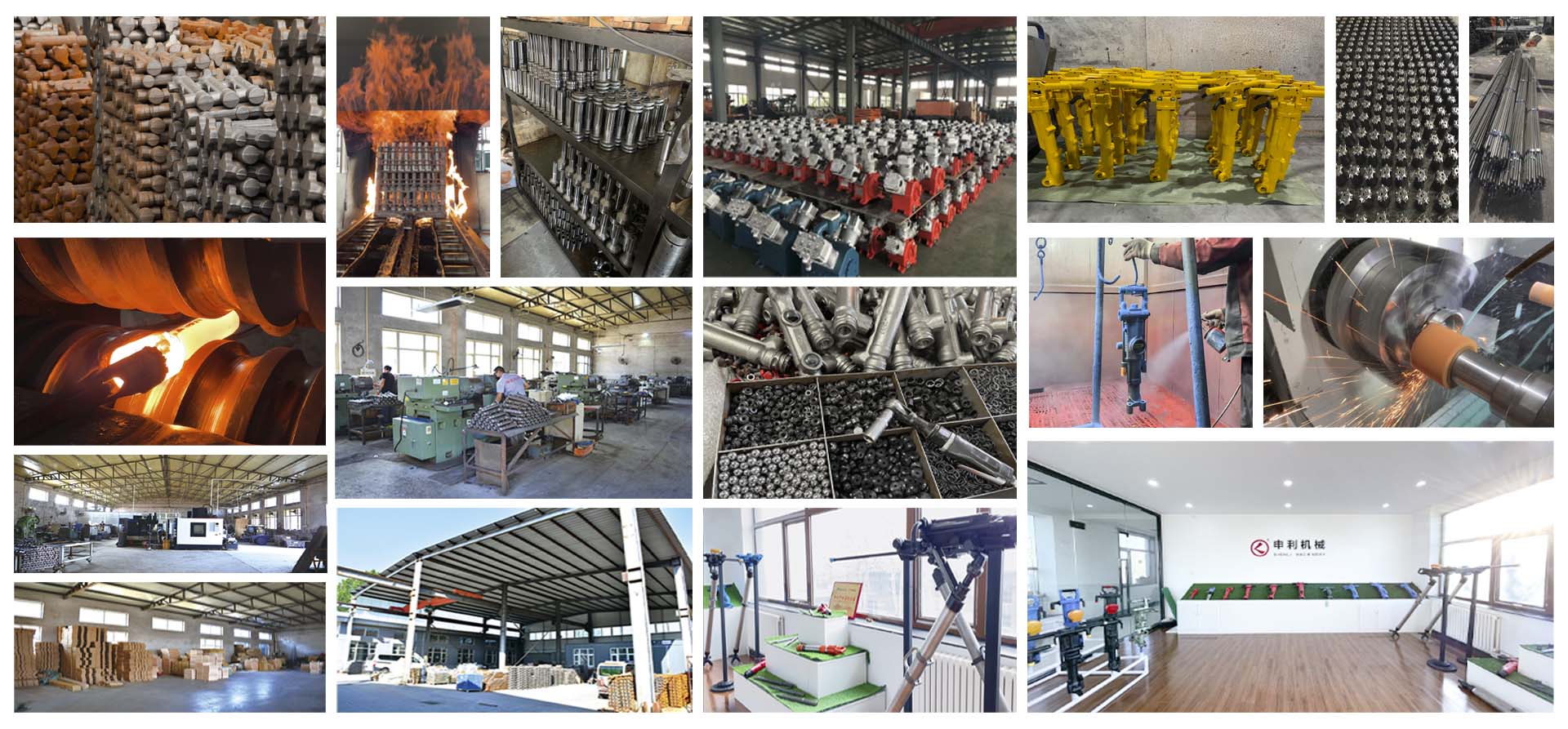
Our state-of-the-art production facility is optimized for high-volume, high-precision manufacturing of pneumatic and hydraulic parts. By utilizing multi-axis CNC machines and automated grinding lines, we ensure that every critical cylinder, piston, and rifle bar meets tolerances as tight as 3 microns.
- Raw Materials: All materials are sourced from domestic and international well-known suppliers, and the quality is free from any flaws.
- Processing: We have all precision machining production lines, including high-precision CNC lathes, and multi-axis CNC milling machines. Machine tools are from well-known brands, and online quality assurance is performed at every step.
- Heat Treatment: All heat treatment activities are carried out in a sealed quench furnace with facilities including but not limited to carburizing, nitriding, volume quenching, annealing, and tempering.
- Grind: We have world-class grinding equipment that is capable of maintaining dimensions to within 3 microns. The grinding line includes state-of-the-art equipment including universal CNC grinding machines, cylindrical CNC grinding machines with process gauges, CNC internal diameter grinding machines, and universal CNC grinding machines.
- Surface Treatment: We offer a range of surface treatment options painting and other processes. These processes increase the service life of the tools and provide them with an appearance that meets the customer's requirements.
- Assembly & Commissioning: Assembly and testing are carried out by our dedicated team on custom-built assembly platforms and test machines. Each assembled rock drill is tested for torque, BPM, and air consumption. After successful testing, each machine receives a test certificate to ensure its quality.
Quality Control Standards

- Customer satisfaction is achieved through the provision of 'zero defect' products and timely delivery.
- Ensuring an orderly programme and operational workflows.
- Increased production efficiency through the latest technology and equipment.
- The company provides regular training to its employees in accordance with the defined objectives, training needs and requirements.
Global Certifications
CE certification is a mandatory conformity mark for certain products sold within the European Economic Area (EEA). CE stands for "Conformité Européenne" which translates to "European Conformity." The CE mark certifies that a product has met EU consumer safety, health or environmental requirements. CE certification also allows manufacturers to freely circulate their products within the EEA.
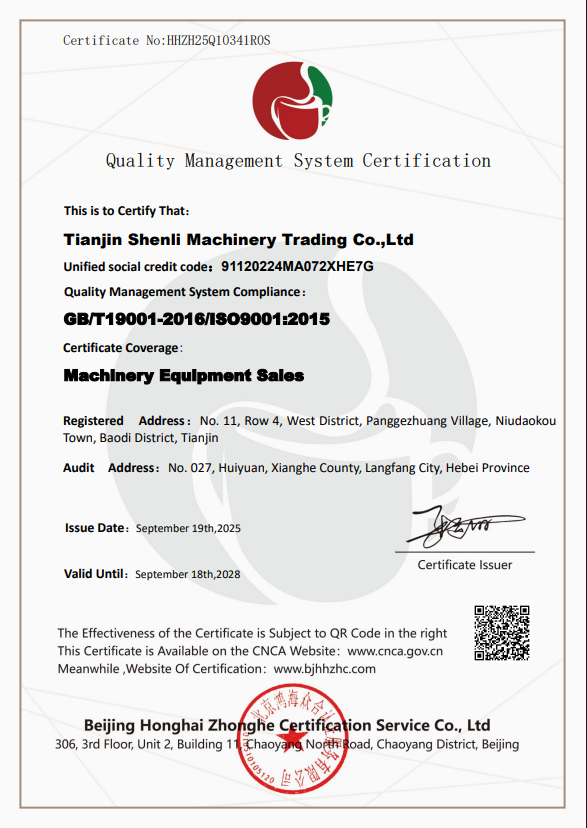
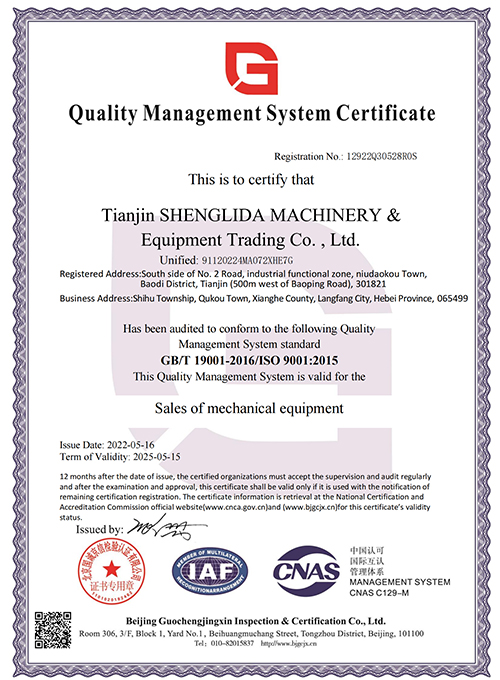
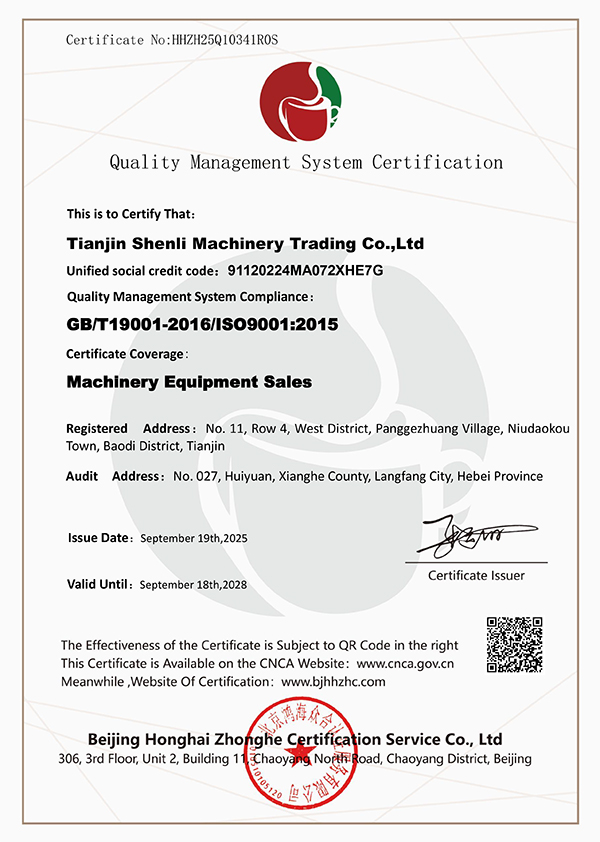
ISO 9001:2015 is an international quality management system (QMS) standard that outlines requirements for a quality management system. The standard is designed to help organizations ensure they meet customer and regulatory requirements. Our factory has been ISO 9001:2015 certified since 2015, and all of our products are CE certified. This ensures that our products meet high standards of quality and safety, and that they can be freely circulated within the EU. CE certification and ISO 9001:2015 certification are just two of the ways we ensure that our products are of the highest quality.


Future Trends: Next-Gen Drill Rigs for Granite Quarrying
How automation, electrification, and pneumatic optimization are reshaping global stone mining.
The global granite quarrying market is undergoing a rapid transition driven by strict environmental regulations and rising labor costs. The future of rock drilling lies in hybrid systems that combine the high impact energy of pneumatic hammer mechanisms with the clean power of electric or battery-driven mobility. Manufacturers are exploring integrated lithium-ion battery packs that drive localized hydraulic or micro-pneumatic circuits, effectively eliminating the need for massive diesel air compressors altogether.
Additionally, the integration of smart sensors into handheld drills (such as vibration-damping indicators and automated feed-force adjusters) is significantly reducing operator fatigue. By maintaining optimal alignment during drilling, these technologies prevent drill steel binding, extend the lifespan of carbide-tipped drill bits, and reduce overall energy consumption by up to 20% compared to legacy pneumatic systems.
Furthermore, remote-controlled, multi-drill hydraulic attachments are increasingly replacing manual handheld operations on large-scale benches. These attachments can be mounted on compact excavators or electric utility vehicles (like our electric three-wheeled ore dump trucks), creating highly mobile, single-operator drilling platforms that keep personnel away from hazardous quarry faces.
As sustainability becomes a priority, quarry operators are seeking equipment that minimizes carbon footprints without sacrificing penetration rates. By choosing optimized hand-held tools and highly efficient, localized piston compressors, quarries can achieve a perfect balance of high percussive output, low maintenance overhead, and minimal environmental impact.
Our Complete Granite Quarry Equipment Range
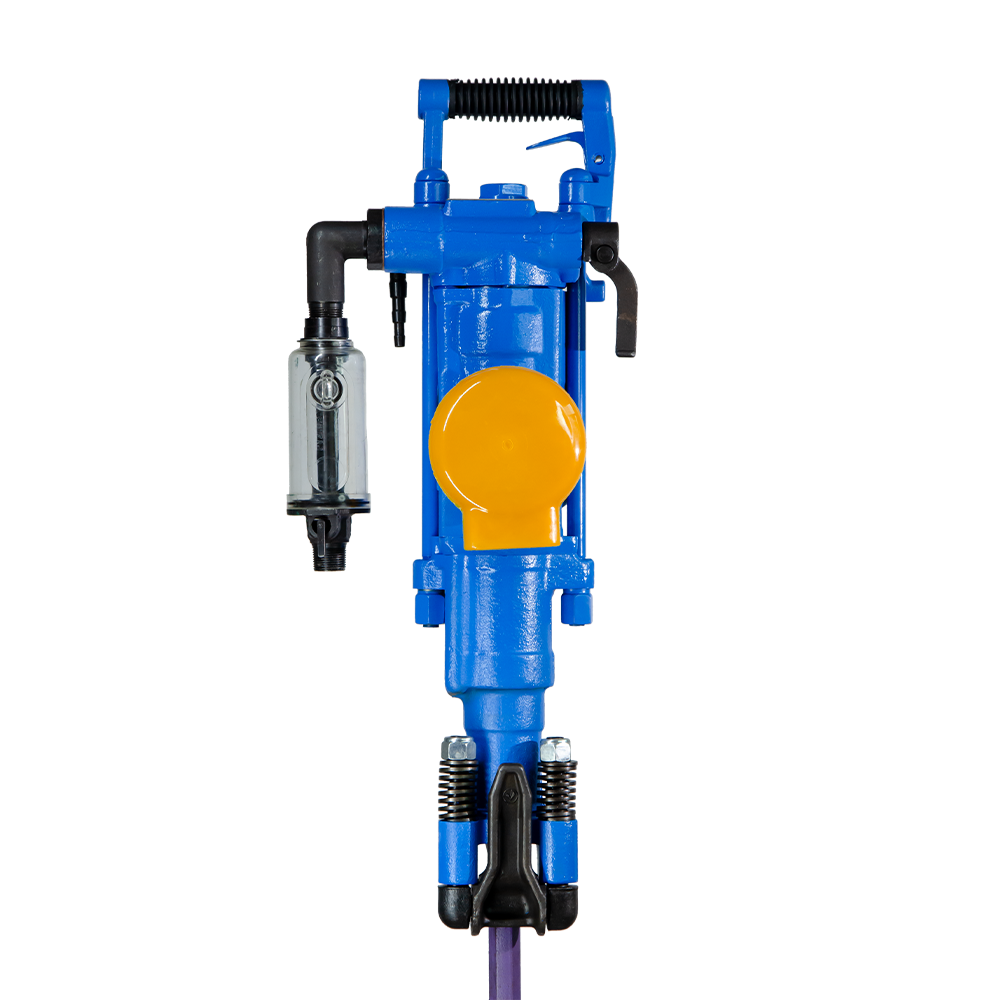
Forging YT27 Air Leg Rock Drill for Granite Quarrying
View Details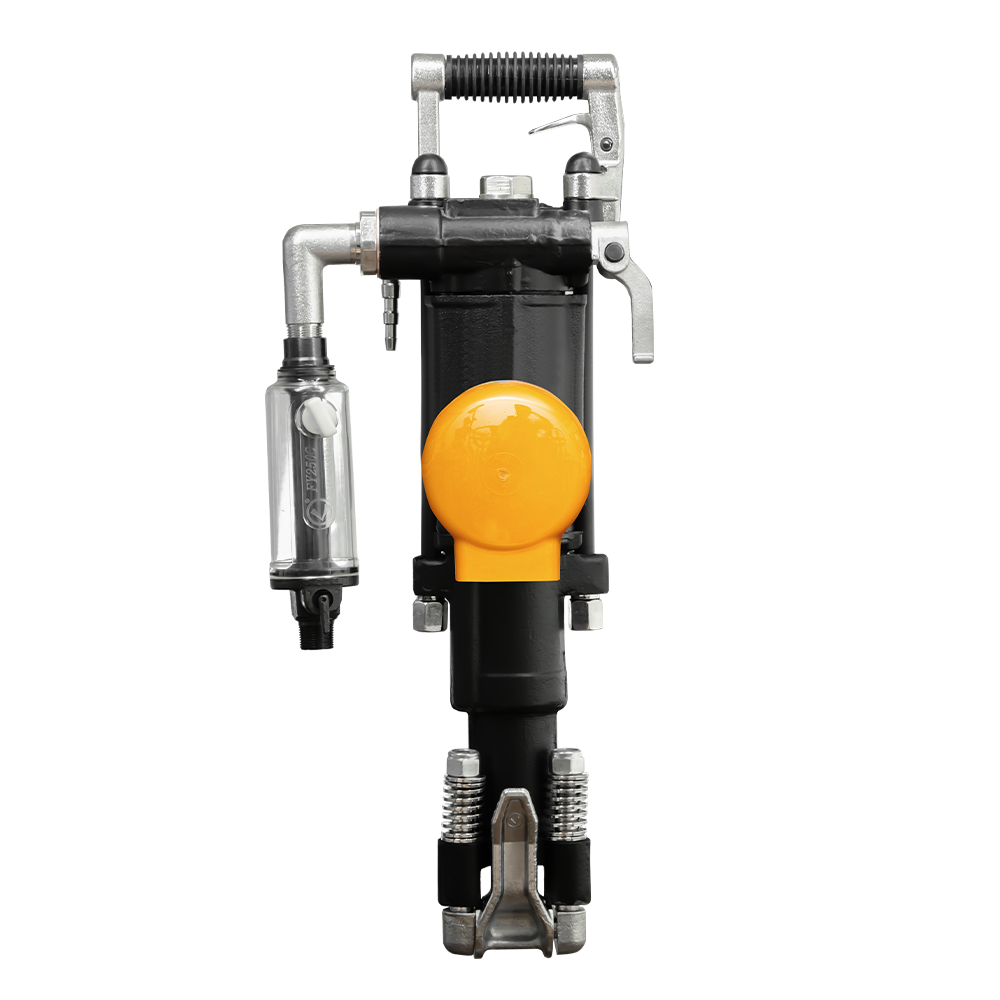
YT29A Hand Held Heavy Duty Drill for Granite Blocks
View Details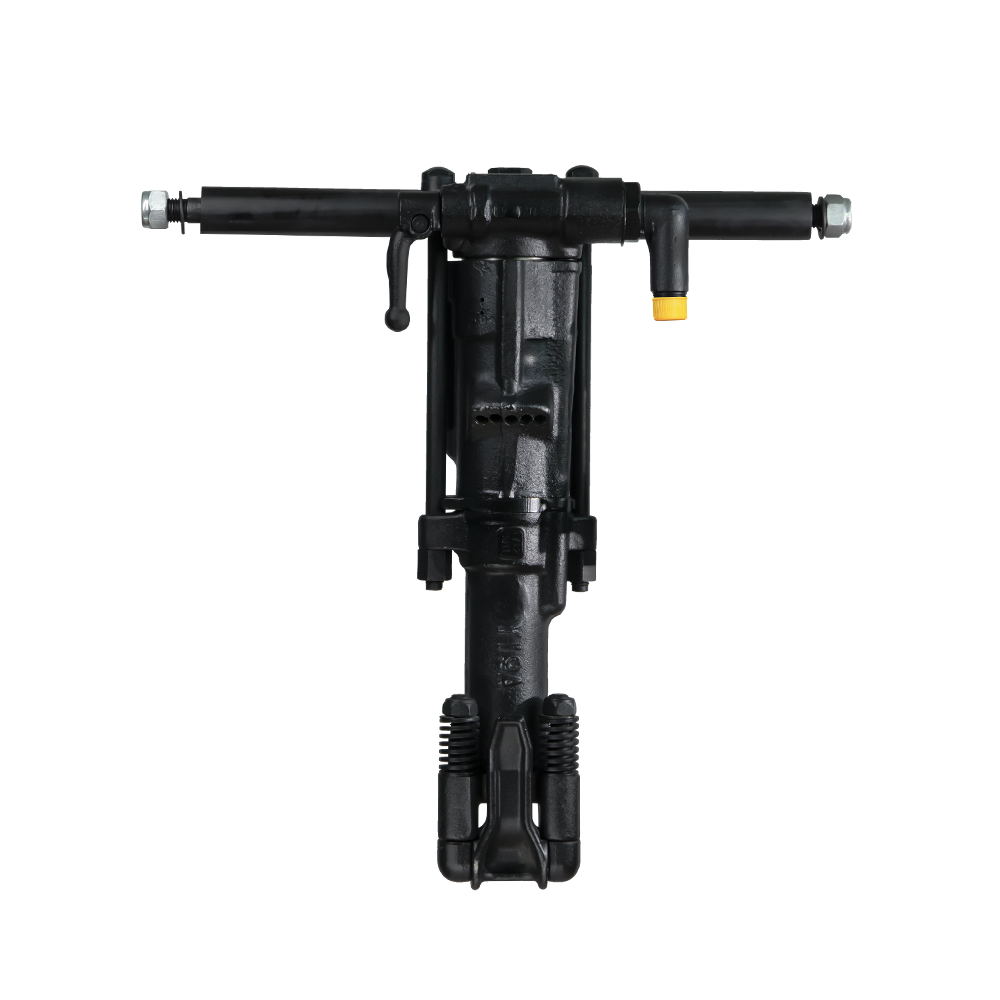
Y19A Portable Hand-Held Rock Drill for Granite Splitting
View Details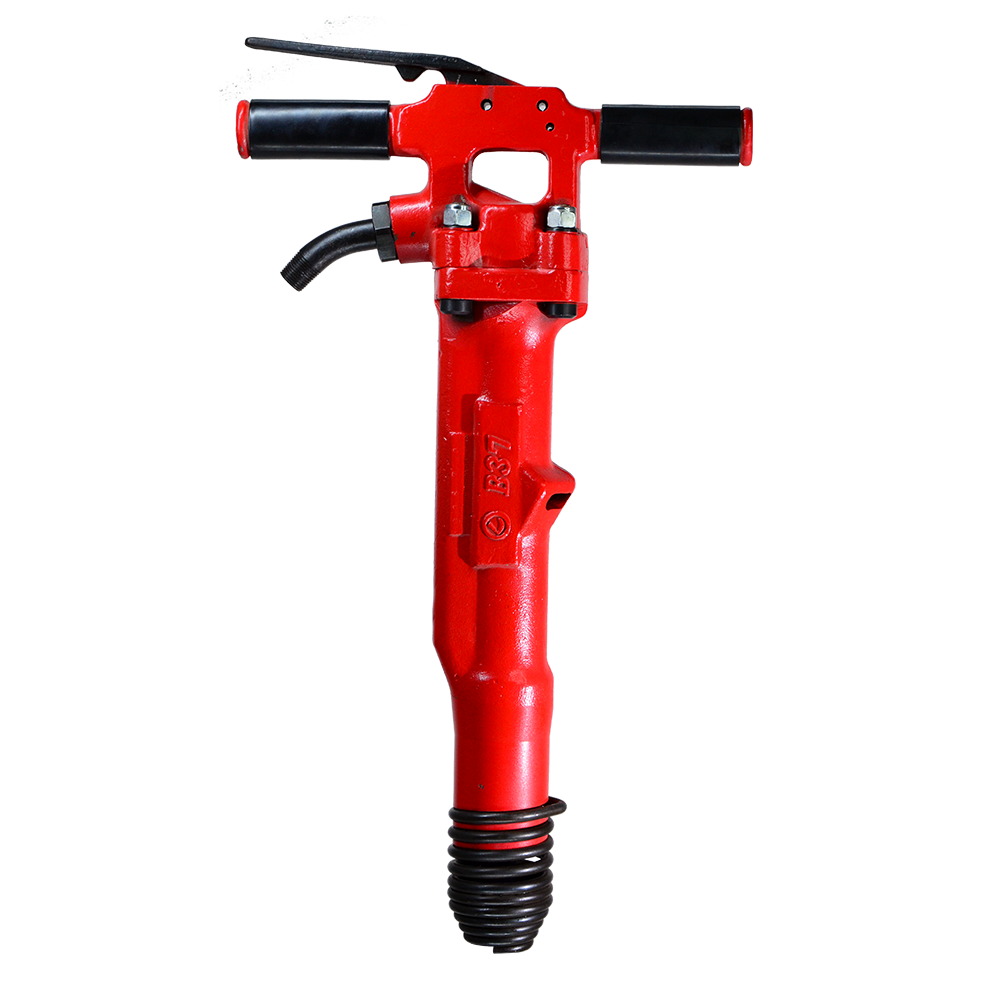
B37 Heavy Duty Rock Breaker Hammer for Quarry Face Work
View Details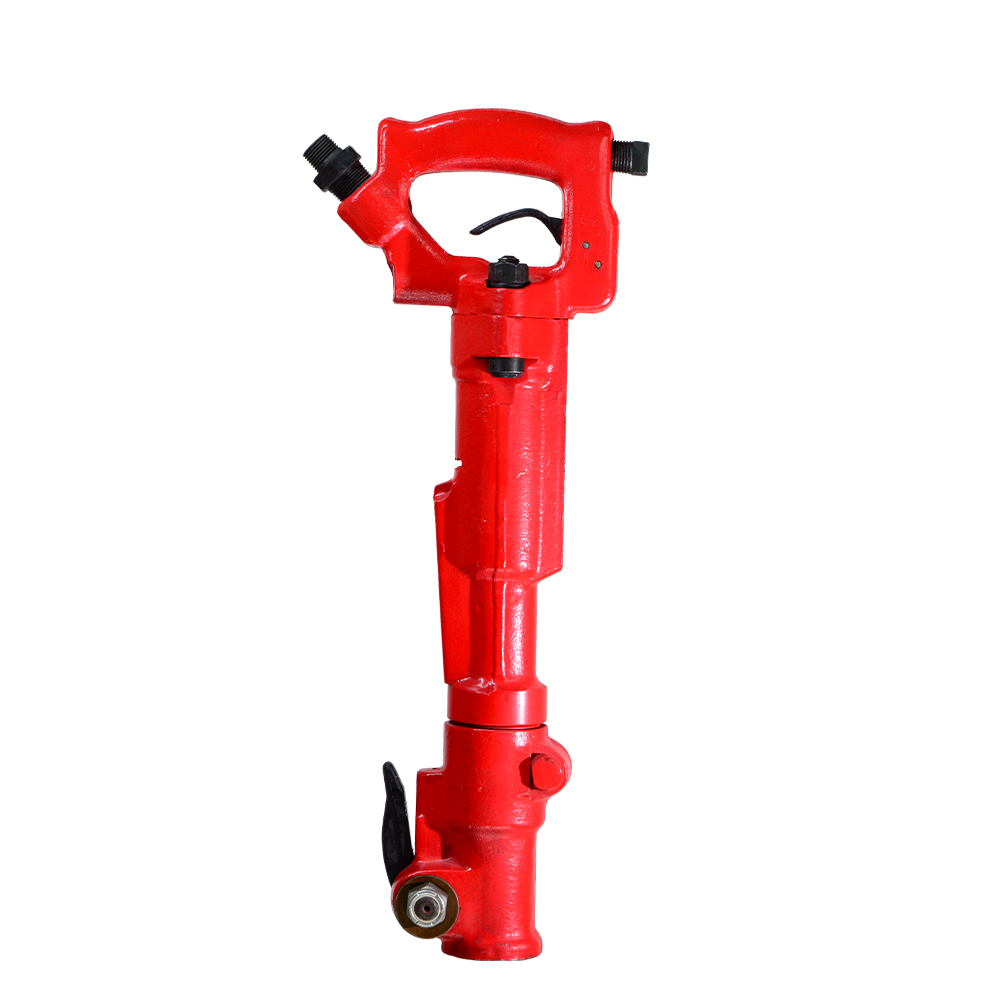
TCD20 Handheld Paving Breaker Hammer for Block Dressing
View Details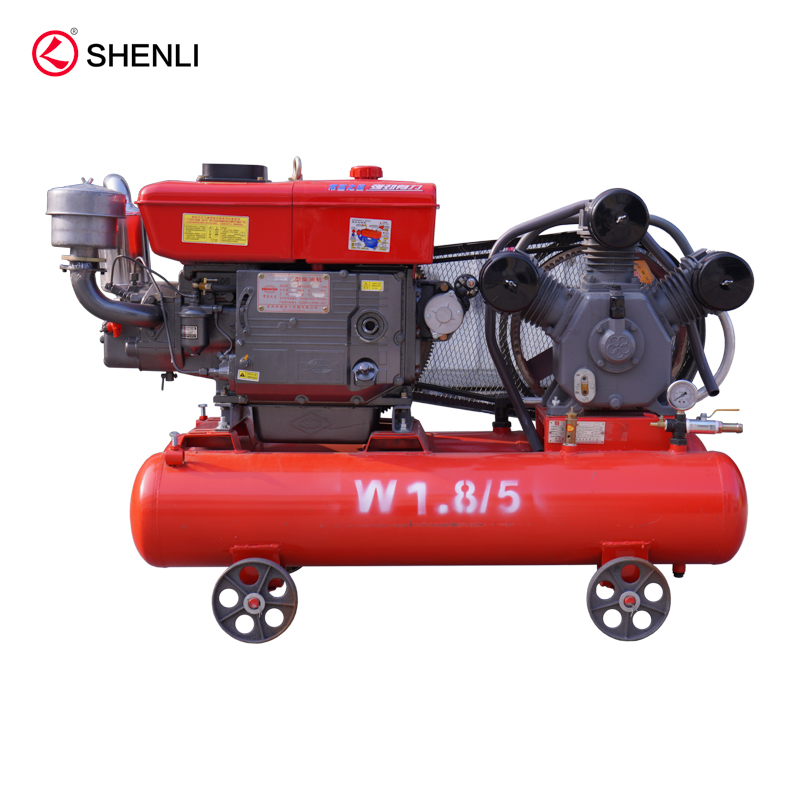
W1.8/5 Portable Diesel Piston Compressor for Quarry Drilling
View Details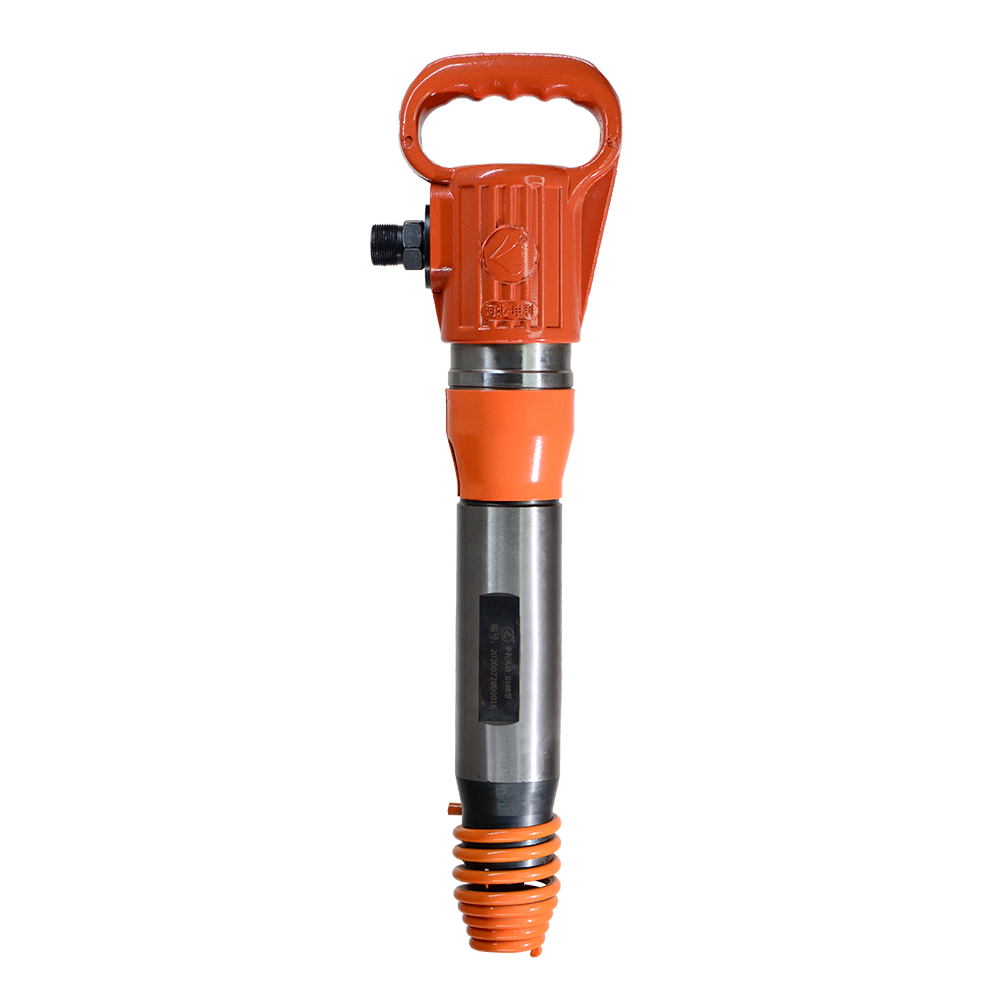
G10 Compact Pneumatic Air Pick for Precision Stone Trimming
View Details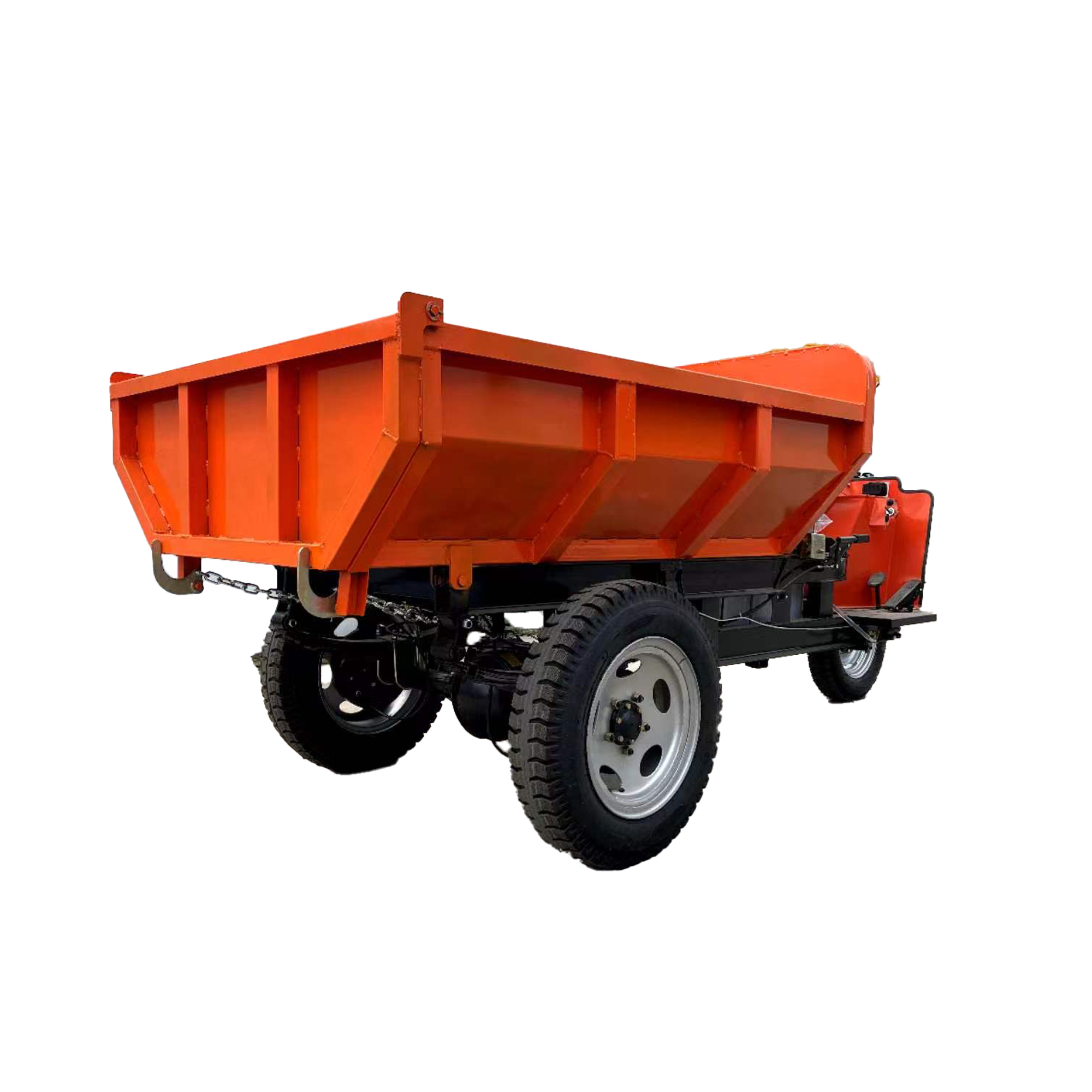
Electric Three-Wheeled Ore Dump Truck for Granite Transport
View Details