
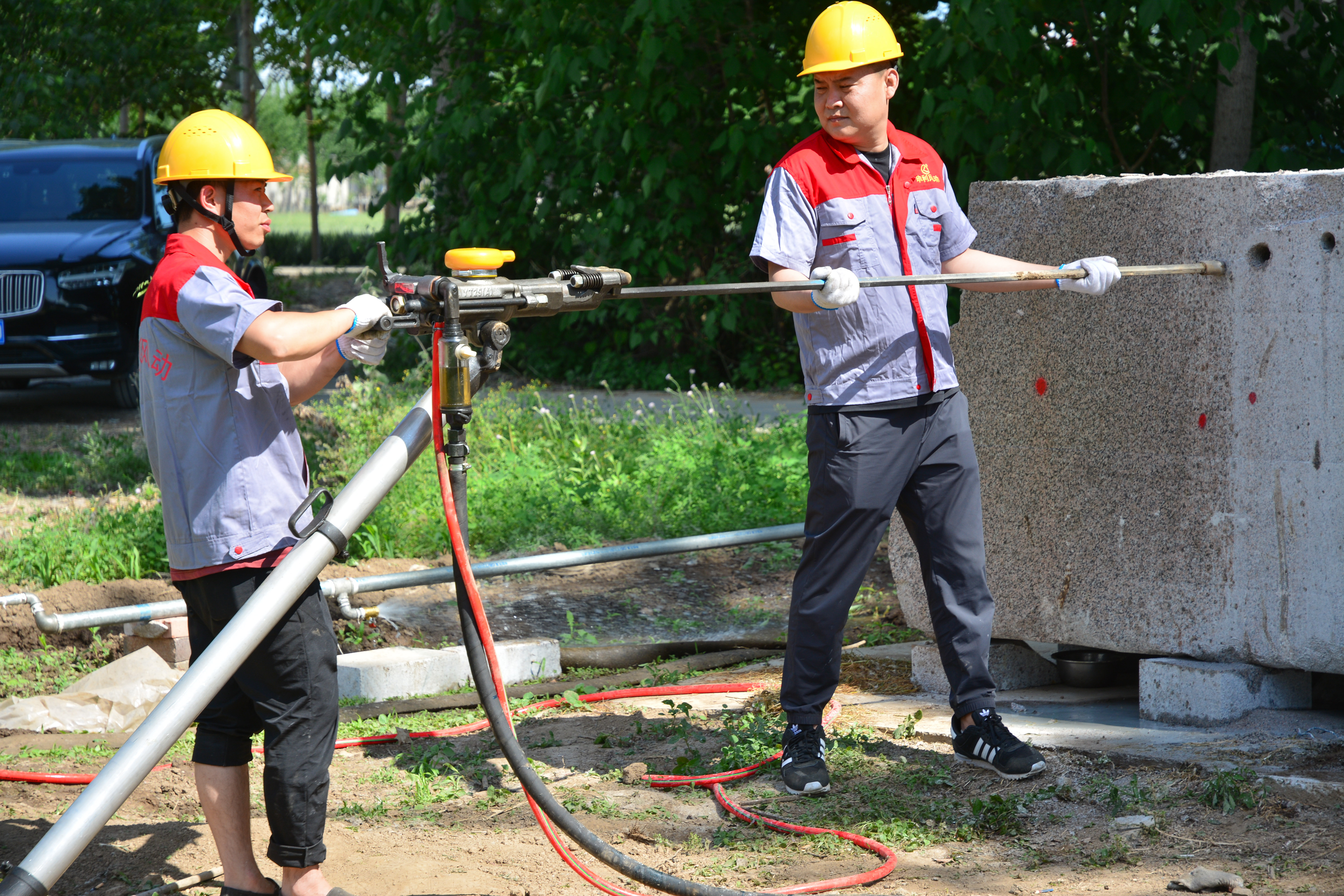
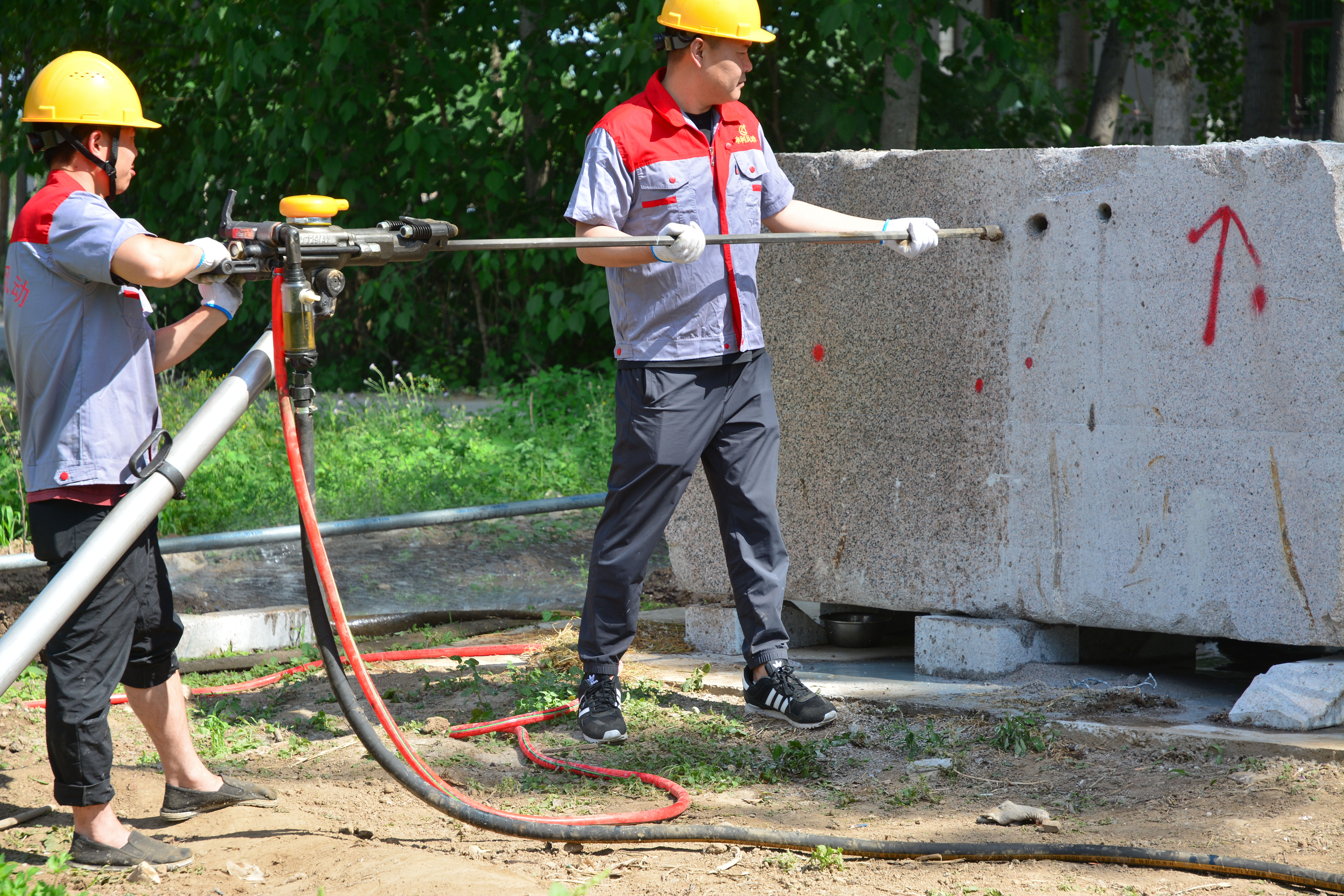
“SHENLI YT29A pneumatic air-leg rock drill test in hard rock at 0.63 MPa. Drilling diameter: 34–45 mm. Maximum drilling depth: 6 m.”
In mining, the drilling pattern is not a minor preparation step. It determines whether the next blast can be charged as planned, whether the rock breaks along the intended line, and whether the crew can move efficiently to the next work area. For this reason, a pneumatic rock drill should be selected around the actual hole design and rock condition.
This article focuses on a medium hard rock mining project that requires 34–45 mm blast holes and drilling depths of up to 6 m. Under these conditions, the SHENLI YT29A pneumatic rock drill is a practical model to evaluate for repeat drilling work.
Equipment Selection Begins With the Hole Design
Blast hole drilling and post blast rock breaking are different operations. A breaker is used when exposed oversize rock needs to be reduced after blasting. A blast hole drill is used before that stage, when the crew needs to establish the correct collar position, angle, diameter, and depth for the planned round.
For medium hard rock, a 34–45 mm hole range provides a clear selection benchmark. The completed hole must be straight enough for the blast design, deep enough for the planned round, and clean enough for the next operation. A drilling cycle loses value when holes require repeated correction or cannot be prepared for charging.
Where the SHENLI YT29A Fits
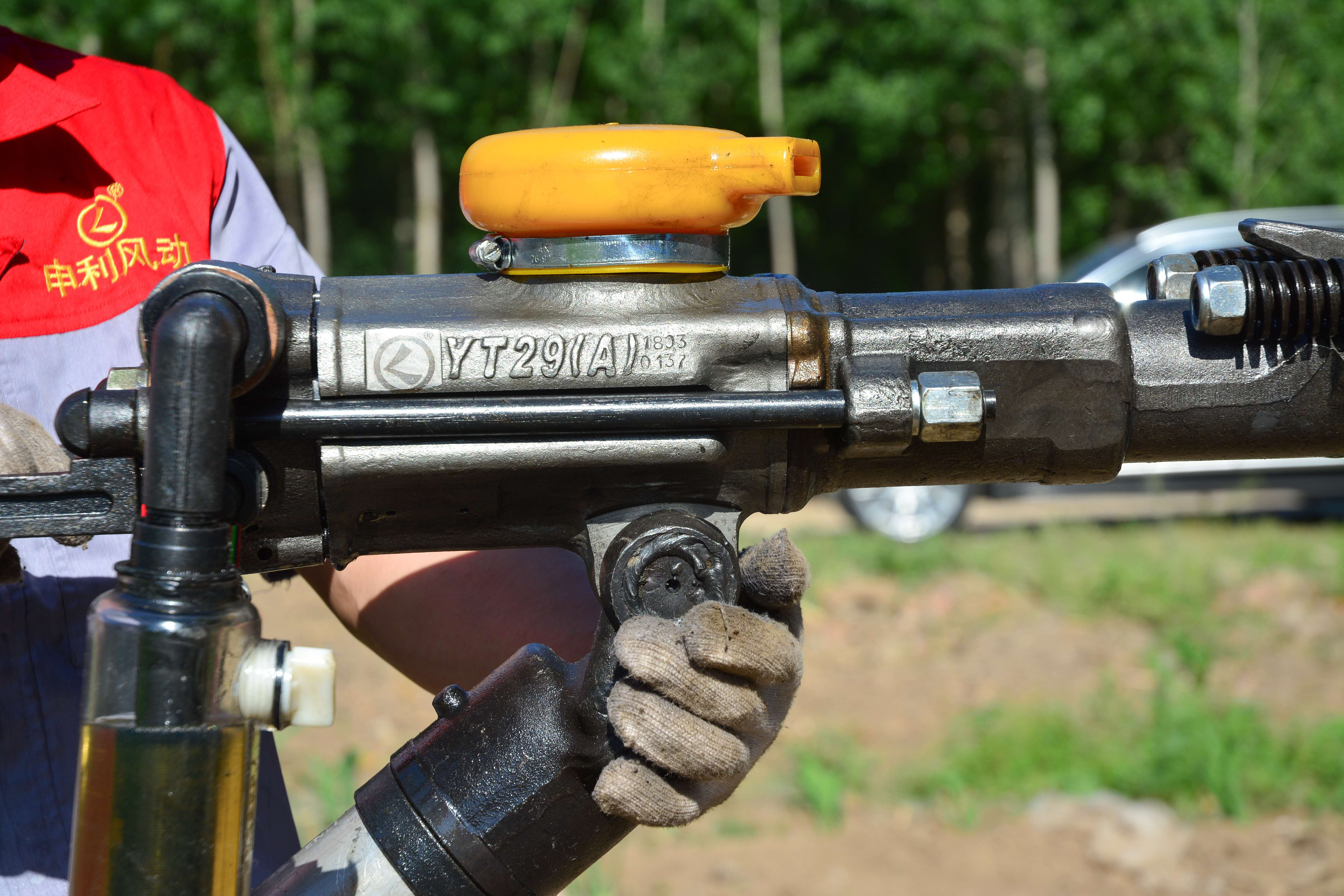
The SHENLI YT29A is an air leg rock drill for medium hard and hard rock drilling. Its air leg arrangement provides feed during drilling and helps the operator maintain the intended working angle. This makes the YT29A pneumatic rock drill relevant for horizontal and inclined blast hole work where a larger drill rig is not required.
The current SHENLI YT-series air leg rock drills support drilling depths of up to 6 m. Actual performance still depends on the approved drill steel setup, available air supply, flushing system, bit condition, and the rock at the work face. A well matched setup gives the crew a better chance of completing the required drilling pattern without unnecessary delays.
A Six-Metre Drilling Plan Needs a Complete System
A 6 m drilling target should be assessed as a complete operating system rather than as one machine number. The crew should confirm air delivery at the tool, water flushing, lubricator condition, drill steel selection, bit size, and the stability of the air leg before routine work begins. These details influence hole quality throughout the drilling cycle.
A useful site test should record the actual rock condition, selected hole diameter, achieved hole depth, drilling time, collar accuracy, drill steel condition, and flushing result. This creates a practical record for the project team and helps buyers compare the YT29A with other pneumatic drilling equipment using the same working standard.
The YT Series Should Be Selected Model by Model
SHENLI offers several YT series models, including YT27, YT28, YT29A, and S82, which may also be called YT29S in some markets. These models are widely used in rock drilling work, but each one should be matched to the required hole design, rock condition, drilling direction, and site setup.
For mining teams that need repeat blast hole drilling in medium hard rock, the YT29A can be placed on the shortlist as a pusher leg rock drill. For work with different production requirements, buyers should compare the applicable YT series model before making a final selection.
Guidance for Latin American Mining Buyers
For mining contractors and equipment buyers in Latin America, the SHENLI YT29A is a practical pneumatic rock drill to evaluate when the project requires repeated 34–45 mm drilling in medium hard rock, with hole depths of up to 6 m. It can support teams that need an air leg rock drill for mining without immediately moving to a larger mechanized drilling platform.
The final selection should be based on the drilling plan and the results of an on site test. When the machine, drill steel, air supply, and flushing system are matched to the project, a pneumatic rock drill can help the crew prepare usable blast holes and keep the mining cycle moving.
Post time: Nov-12-2026
