

When you are pushing a tunnel through a mountain or breaking rock in an underground mine, you never get the same geology two days in a row. One week you are drilling through solid granite, and the next you are dealing with fractured sandstone, steep inclines, or tight pockets where you can barely stand. In these conditions, picking the wrong drilling setup isn't just an inconvenience—it ruins your daily footage, breaks your drill steels, and burns through your fuel budget. To keep your project moving forward, you need to know exactly when to deploy a heavy-duty Pneumatic Air Leg Rock Drill and when to send in a team with a agile Handheld Portable Rock Drill. Partnering with a Reliable Air Leg Rock Drill Solutions Provider ensures that operators have access to the exact technical configurations required to overcome variable rock hardness, steep gradients, and restricted workspaces, ultimately turning geological hurdles into predictable outcomes.
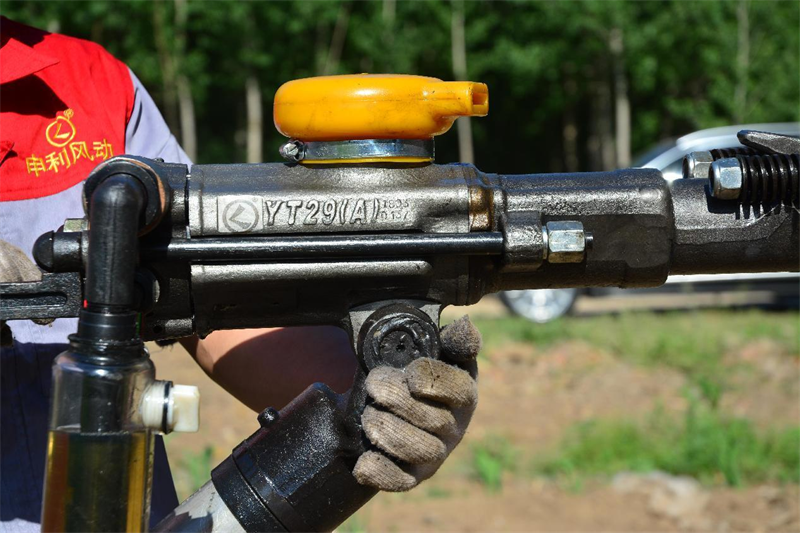
Craftsmanship, Workshop Details & Technical Advantages of SHENLI Drills
Out in the mud and dust, a drill has to take constant punishment from high-pressure water and rough handling. If a factory cuts corners on the manufacturing floor, the tool will bleed air and lose its hitting torque within a week. To guarantee that every tool can withstand these extreme conditions, SHENLI’s entire manufacturing workflow complies with ISO9001:2015 quality management and CE safety standards. SHENLI avoids these field failures by focusing on strict engineering details that matter on the late shift:
· 3-Micron Fits Stop Air Bypass: If your air tool has loose internal gaps, compressed air escapes right past the piston. This forces your diesel compressors to run at maximum throttle just to keep up. SHENLI uses high-precision CNC multi-axis milling to grind internal cylinder walls and valve structures to a tight 3-micron limit. This exact fit locks the air behind the hammer, maintaining heavy hitting power even if your air lines stretch hundreds of meters from the manifold.
· Quenched Steel Defeats Torsional Fatigue: When a drill bit hits a hidden fracture line or a soft pocket, the rotation torque spikes instantly, trying to snap the internal gears. SHENLI treats all high-stress parts—like the rifle bar, pawls, and rotation sleeves—in sealed, atmosphere-controlled quench furnaces. This advanced heat treatment gives the parts a hard, wear-resistant outer skin to handle the friction, while leaving a ductile core that twists instead of breaking when the bit gets temporarily bound up.
· Rugged Air-Water Valves & Vibration Isolation: Wet drilling is necessary to keep dust down, but bad valve setups allow water to bleed back into the engine, washing away the lubrication and causing rust. SHENLI uses a mechanical air-water linkage valve on the backhead that guarantees air always flows first to clear out the cylinder. Combined with specialized shock-absorbing rubber grips on the handle, it keeps the drill running clean and protects your miners from painful hand-arm vibration injuries.
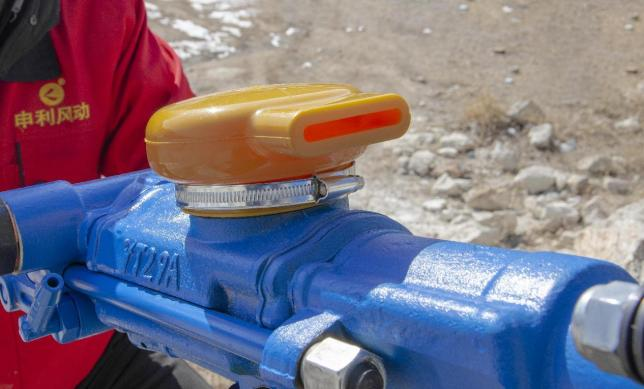
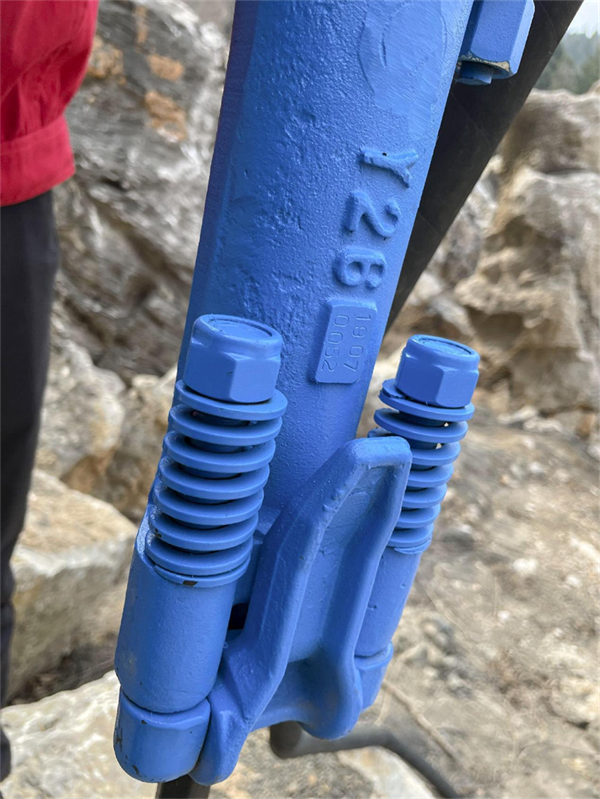
Air Legs vs. Handheld Drills: The Field Reality
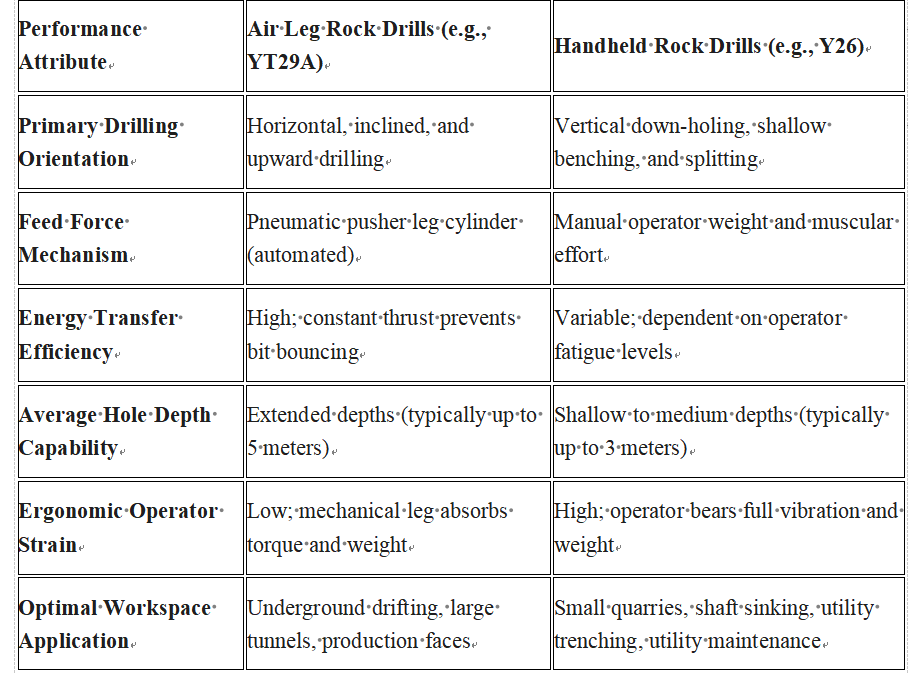
Choosing between these two systems comes down to how much weight you need to support and what angle you are drilling:
• The Feed Force Difference: A handheld machine requires the operator to physically lean into the handle to keep the bit pressed against the rock. Because of this, manual tools have to be kept relatively light, which caps their maximum cylinder size and impact force. An air leg system uses an extendable pneumatic cylinder to handle the heavy lifting. The leg delivers steady, continuous forward thrust, allowing the machine to use a much larger, heavier internal hammer without draining the operator’s physical energy.
• Spatial Limits and Angles: Handheld units are the ultimate fix for tight, awkward spaces, sinking shallow shafts, vertical down-holing, or blasting oversized boulders where you don't have room to anchor a leg. Air leg drills, on the other hand, are the standard choice for driving long, straight horizontal lines, drifting tunnels, or putting in high-angle roof bolts. The pusher leg acts as a steady bipod, preventing the bit from wandering or walking across a hard rock face.
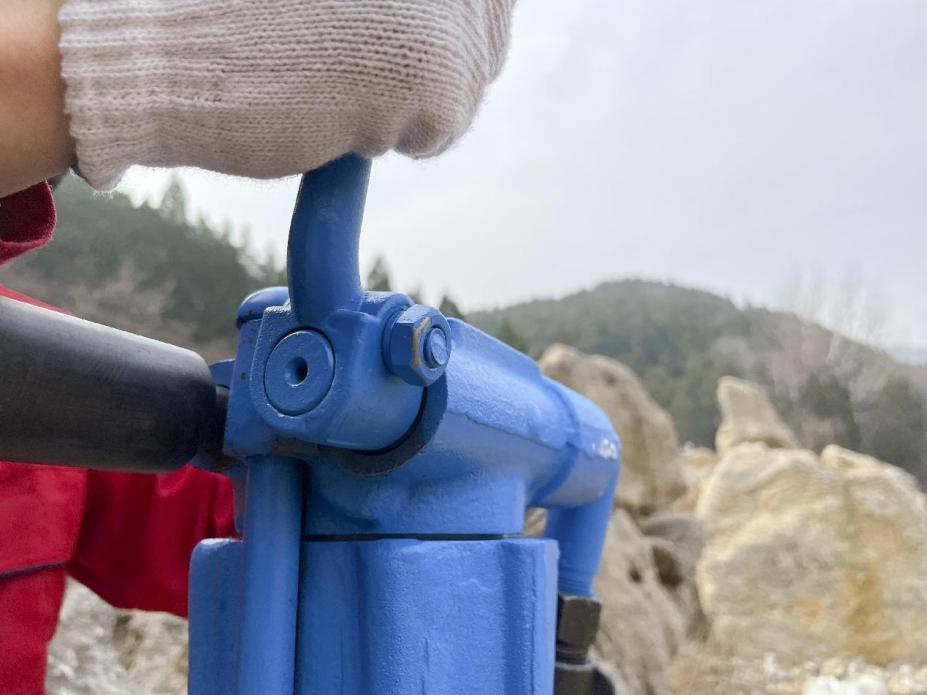
Detailed Model Breakdown for Fleet Procurement
To balance your performance needs and find the right YT29A Rock Drill Price for your project budget, you can look at the two distinct workhorses in the SHENLI lineup:
The Heavy-Duty Drifter: Pneumatic YT29A Air Leg Rock Drill
For driving horizontal headings through hard granite, quartz veins, or heavy iron ore, the YT29A air leg rock drill is built to deliver raw destruction power. Weighing around 26.5 kilograms, this machine uses a wider cylinder bore to pack massive kinetic energy into every single blow.
SHENLI designed this model with an advanced flapper valve control and a centralized legislative control hub on the backhead, allowing the miner to adjust the impact power, rotation speed, and air leg extension from one single position. The integrated, fully enclosed lubrication system ensures that a constant oil mist feeds the piston during long, high-intensity shifts, keeping penetration rates high and preventing internal scoring.
The Agile Operator: Y26 Handheld Portable Rock Drill
When your crew needs to move fast, clear bench corners, or blast trenches where a supporting leg won't fit, the Y26 Handheld Portable Rock Drill is the standard alternative. It is built to optimize the torque-to-weight ratio, giving you strong twisting power without making the tool too heavy to carry over rough terrain.
The Y26 Handheld Portable Rock Drill uses a proven rifle-bar mechanism that keeps the steel bit turning even when drilling deep vertical holes in fractured, shifting rock layers. Its exhaust ports are turned away to keep air and stone dust out of the operator's face, and the internal porting is tuned to save air volume, making it an excellent choice for remote jobs using smaller, portable tow-behind compressors.
Balancing Your Site Fleet for Better Production
Real-world mining sites change fast. A single heading can turn from clean, competent stone to wet, fractured shale in a matter of meters. Successful project managers don't rely on just one type of tool; they build a flexible fleet that utilizes the heavy hitting of the YT29A air leg rock drill for main heading runs, and keeps a portable manual unit ready for utility scaling, ditching, and tight spot work.
Sourcing from a proven Air Pick Hammer Manufacturer that also builds precision rock drills gives you a massive advantage. You get identical metallurgy across your entire tool inventory, and you can rely on an established factory warehouse that keeps standard wear parts—like water needles, rifle nuts, and pawl springs—always ready to ship. This eliminates long supply chain delays that leave your crews sitting idle on the mine floor.
By matching the right tool to your actual terrain—putting the heavy pneumatic leg to work on long runs and using the agile handheld units for tight spots—you can build a reliable Pneumatic Air Leg Rock Drill and manual fleet that delivers lower operational costs per foot and keeps your project on schedule.
To download a detailed product catalog or discuss custom orders for your geological project, visit the official factory portal at: https://www.y-sld.com/
Post time: Jun-22-2026
