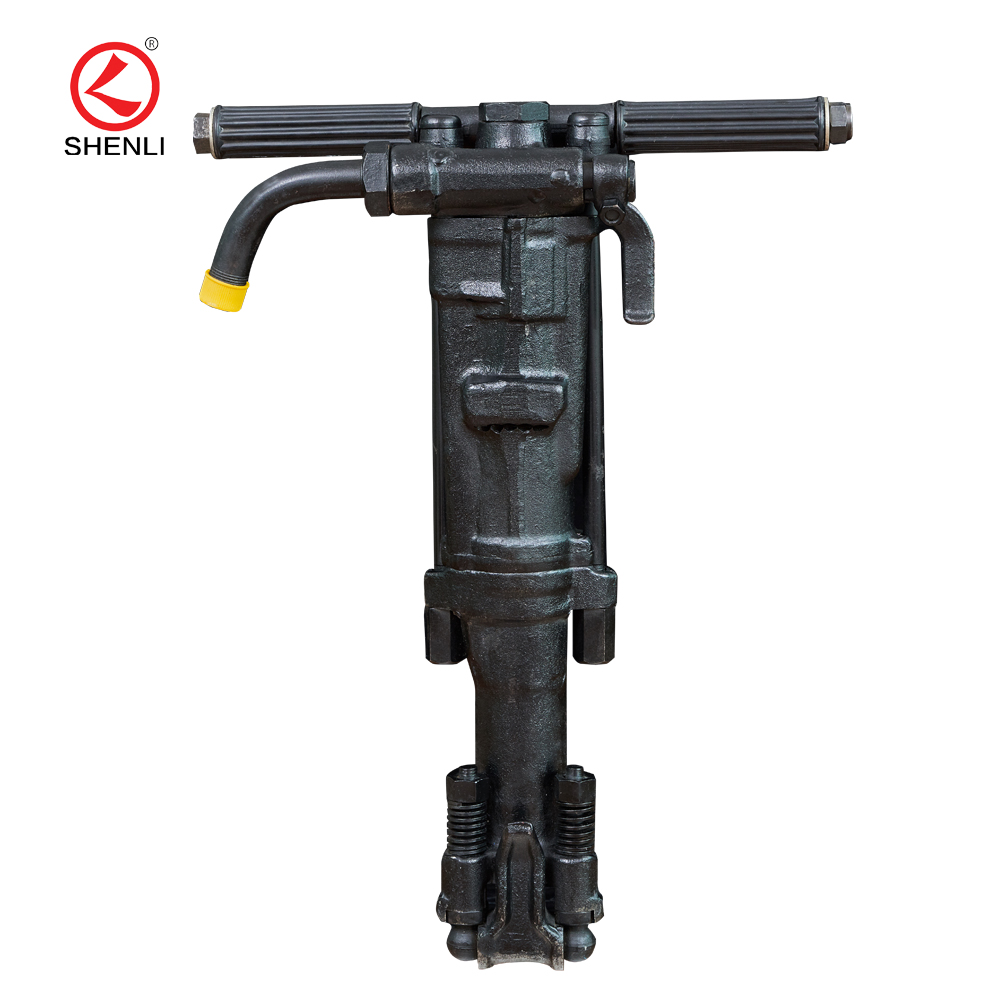
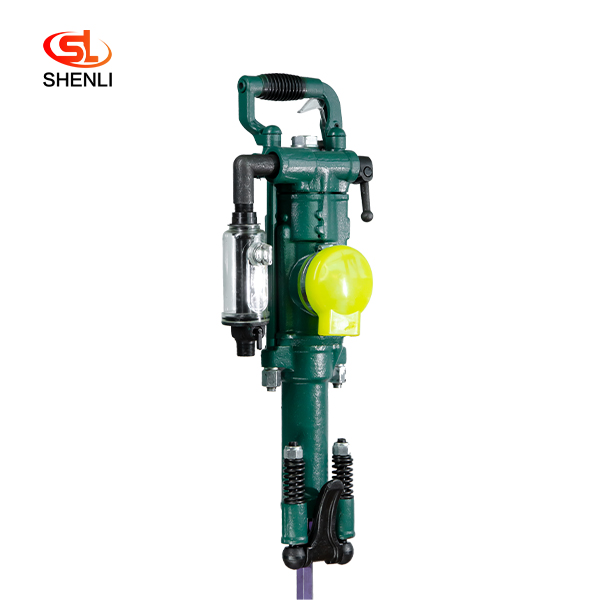
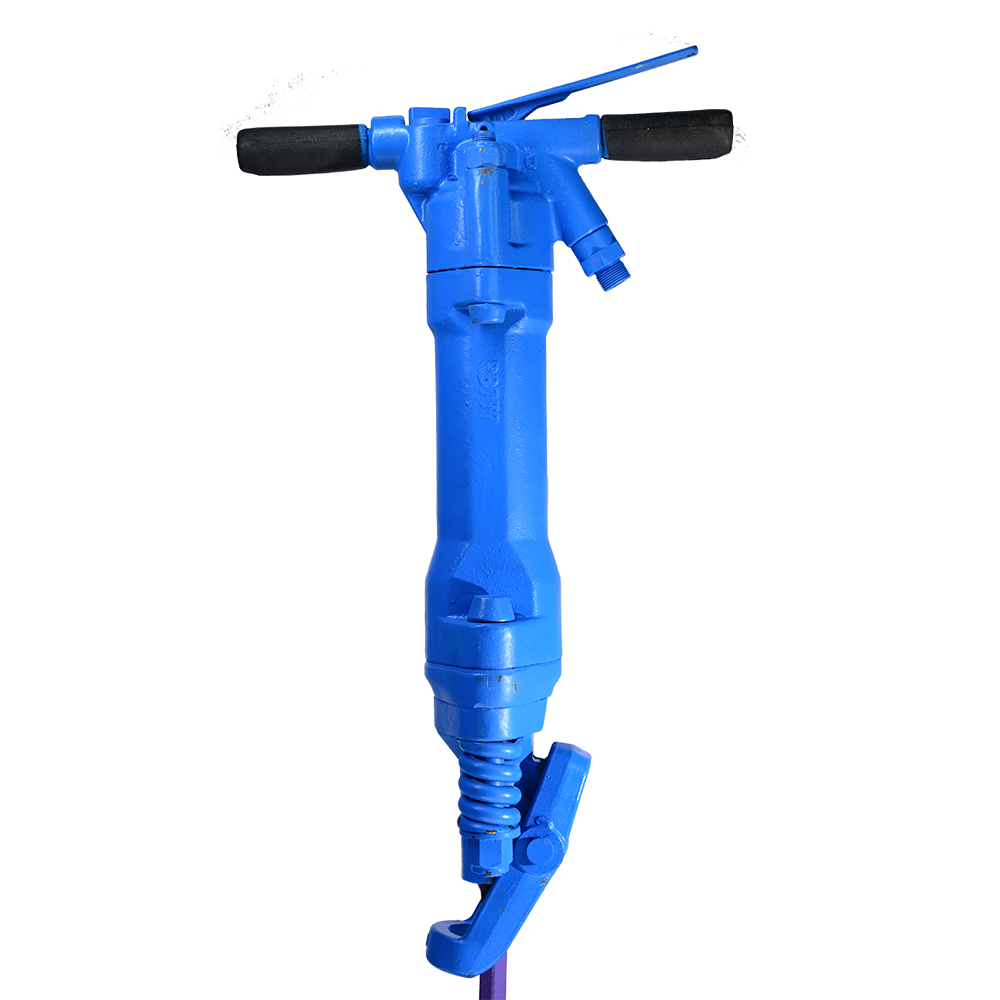
The Crucial Role of Mining Rock Drills in Foundation Engineering
In the modern industrial landscape, the boundaries between traditional mining operations and urban civil engineering have blurred. At the intersection of these two fields lies the heavy-duty mining rock drill, a tool historically designed to penetrate deep mineral-rich veins, now repurposed and optimized as a cornerstone technology for foundation engineering. As cities grow vertically and infrastructure projects expand into geotechnically challenging terrains, the demand for high-performance pneumatic rock drills has surged exponentially.
Foundation engineering is the backbone of all structural construction. Whether constructing high-rise commercial towers, massive highway bridges, marine ports, or deep underground transit networks, the stability of the structure depends entirely on how effectively it is anchored to the earth. When encountering hard rock strata, boulder-strewn ground, or highly variable geological formations, standard excavation machinery falls short. This is where the specialized mining rock drill becomes indispensable, utilizing high-frequency percussive impact coupled with continuous rotation to shatter hard rock formations and create precise holes for structural reinforcement.
Global Commercial & Industrial Trends
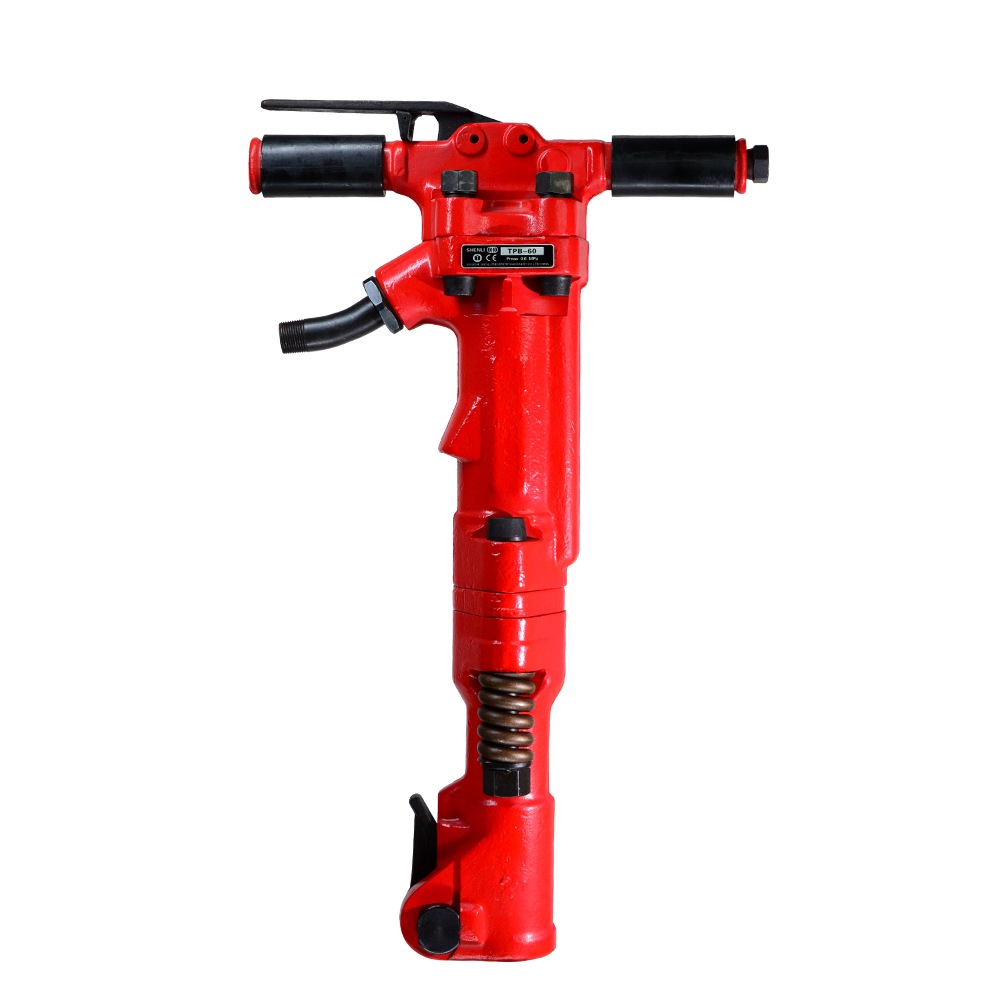
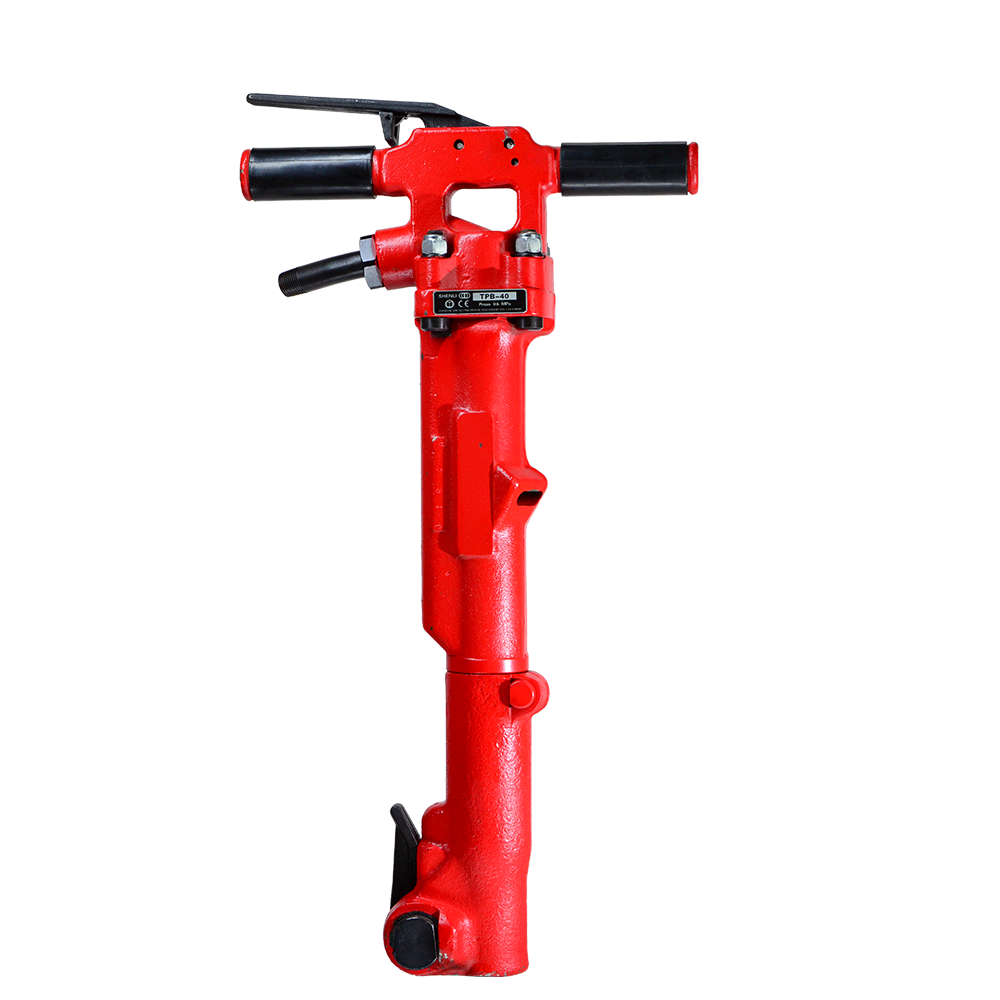
Today's foundation engineering sector demands equipment that delivers not only raw power but also exceptional reliability, environmental compliance, and cost-efficiency. Commercial contractors are moving away from oversized, high-maintenance hydraulic rigs for medium-to-light drilling applications, opting instead for versatile pneumatic rock drills. Handheld and air-leg pneumatic rock drills offer unparalleled maneuverability in confined urban spaces, steep slopes, and remote locations where heavy machinery cannot access.
Furthermore, the manufacturing of these tools has evolved. Advanced metallurgy, computerized heat treatment, and precision CNC grinding have significantly extended the service life of internal components, reducing downtime on critical path projects. For contractors, minimized downtime translates directly to protected profit margins and timely project delivery.
In-Depth Application Scenarios in Foundation Engineering
Mining rock drills are no longer confined to underground tunnels and open-pit mines. Their adaptability has unlocked numerous critical application scenarios within the civil and foundation engineering sectors:
1. Micropiling and Underpinning in Challenging Strata
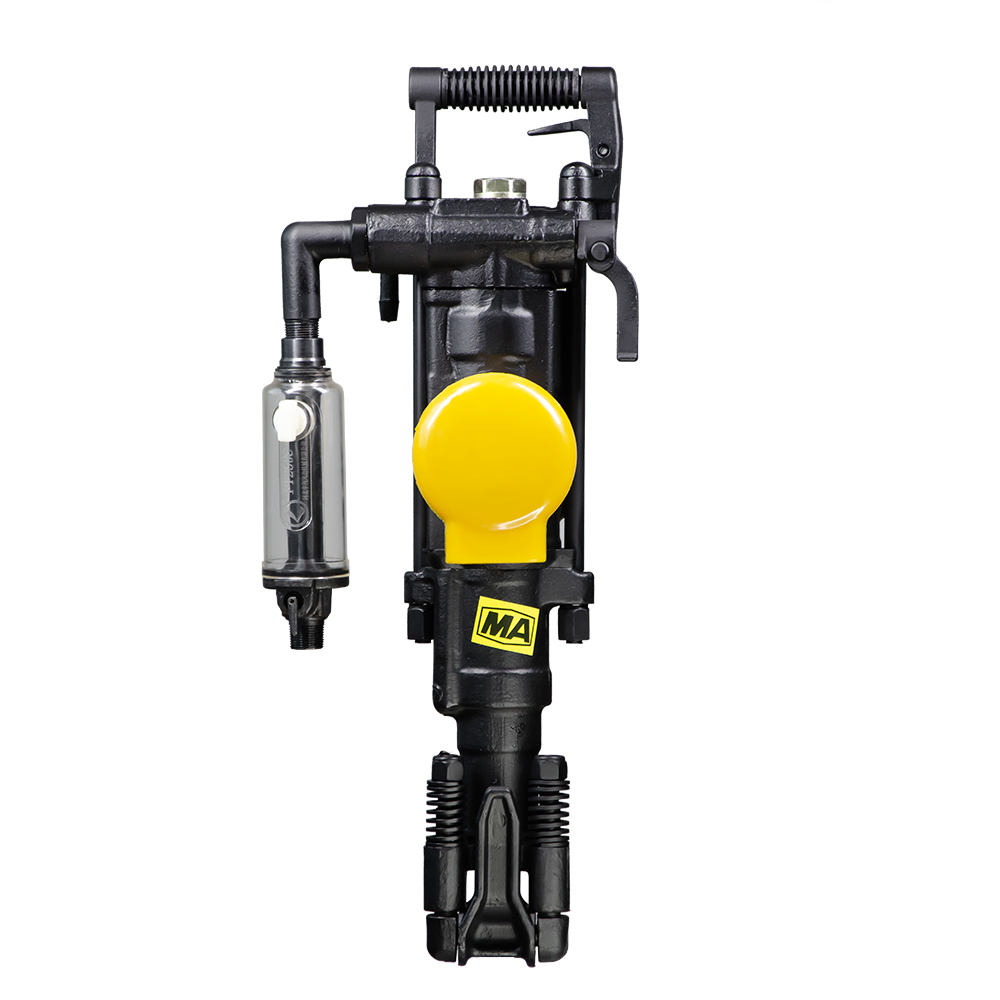
Micropiles (or minipiles) are deep foundation elements constructed using high-strength steel casing and grout. They are particularly useful in areas with restricted headroom or sensitive surrounding structures. Pneumatic rock drills, such as the YT27 and YT24 series, are utilized to drill the initial pilot holes through hard granite, basalt, or concrete debris. Their high percussive rate ensures minimal vibration transmission to adjacent foundations, protecting historical or structurally compromised buildings during rehabilitation and underpinning works.
2. Soil Nailing and Slope Stabilization
For deep excavations, highway cuts, and mountainous infrastructure, preventing landslides and soil collapse is vital. Slope stabilization relies on soil nailing and rock anchoring. Mining rock drills are mounted on lightweight scaffolding or air-leg assemblies to drill deep horizontal or inclined holes into the rock face. High-tensile steel bars are then inserted and grouted, effectively stitching the unstable rock mass to the stable inner formation. The lightweight nature of handheld pneumatic drills allows operators to work safely at extreme heights and angles.
3. Tunnelling and Underground Space Development
Modern transit systems, utility conduits, and sewage networks require extensive micro-tunnelling and shaft sinking. During the initial excavation phases, rock drills are employed for face drilling, creating blast holes, and installing rock bolts to secure the tunnel roof. The reliability of the pneumatic system ensures continuous operation even in wet, muddy, and dust-heavy underground environments where electrical systems would pose severe safety hazards.
4. Marine and Port Infrastructure Foundations
Building docks, piers, and offshore wind turbine foundations requires drilling into sub-sea bedrock. Specialized pneumatic drills are integrated into custom offshore drilling templates to secure anchor bolts and piles. Pneumatic tools are inherently resistant to water ingress, making them far more practical and safer for marine splash zones compared to hydraulic or electric alternatives.
Company Profile
SHENLI is a leading supplier of superior pneumatic tools for the construction, mining, and industrial markets. Since 2005, the Shenley brand has been synonymous with quality and innovation. For over a decade, the SHENLI brand has represented performance, innovation, and quality in the pneumatic tool industry.
The SHENLI product line now offers a complete line of pneumatic tools, supported by a wholly-owned factory producing high-end pneumatic machinery and a comprehensive range of accessories. With superior product performance, exceptional reliability, competitive pricing for factory-direct buyers, ergonomically designed tools, and robust quality warranty terms, Shenley has emerged as an industry leader.
We take every customer's challenges seriously, working collaboratively to solve complex engineering problems. Choosing Shenley is just the beginning of a long-term partnership. SHENLI provides reliable service and engineering support through every step of the process, from initial product consultation to final site delivery.
Corporate Culture & Mission
Company Mission
Striving to be a world-class supplier of rock drills.
Adhering to our development experience in pneumatic tools for many years, Shenli takes "customer first, service first" as the spirit of enterprise. Our vision is to constantly innovate technology, strive for perfection, and open up a broader market for our global clientele.
Core Values
Work together, keep improving, and pay meticulous attention to every engineering detail.
With sincerity and deep specialization, you can achieve any technical breakthrough.
Customer first, service first. We anticipate project challenges and offer preemptive solutions.
Keeping up with the times, leveraging AI and smart manufacturing to forge ahead.

Global Foundation Engineering Case Studies


The Dutch customer visited our factory and was highly satisfied with the production equipment, raw materials, and advanced processes we have in place. Recognizing the demands of their complex canal-side underpinning and piling projects, the client signed a custom order for 500 rock drill units. They look forward to long-term cooperation to support infrastructure upgrades across Europe.


An American civil engineering contractor visited our factory for in-depth negotiations. They required highly durable pneumatic drills for highway slope stabilization and bridge foundation anchoring across challenging rocky terrains. This visit successfully established a long-term strategic supply relationship.


A Japanese engineering delegation expressed great satisfaction with our factory equipment and strict quality control. Given Japan's strict seismic foundation codes, they proposed joint design collaborations on low-vibration pneumatic drills to gain a competitive edge in urban micropiling applications.


Indian infrastructure developers visited our facility to audit our ISO 9001 processes. We detailed the assembly lines and material traceability for drills destined for metro rail foundation works. This initial project laid the groundwork for an ongoing, highly productive cooperative relationship.
Factory Tour & Manufacturing Excellence
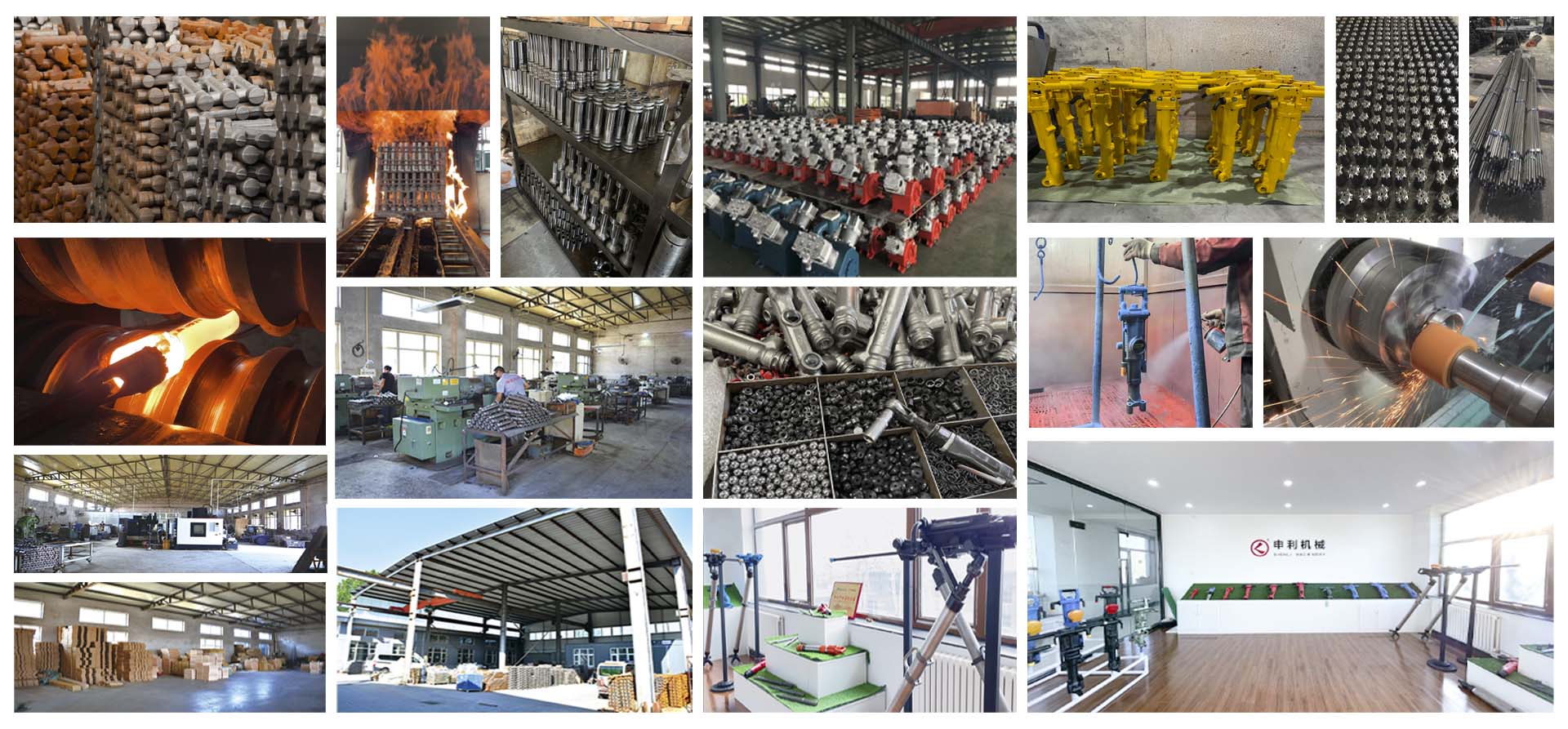
State-of-the-Art Production Facility
Our manufacturing plant leverages advanced automated lines to ensure that every rock drill meets the rigorous demands of foundation engineering. By integrating precision engineering with high-grade metallurgy, we guarantee consistent performance across all product batches.
Quality Control & Certifications
Strict Quality Standards
At SHENLI, quality is not just a department; it is a manufacturing philosophy. We implement a multi-stage Quality Management System that covers the entire production cycle. Our quality standards focus on:
- Customer Satisfaction: Achieved through the provision of 'zero defect' products and timely project delivery.
- Orderly Programming: Standardized workflows that eliminate variability and manufacturing errors.
- Efficiency Upgrades: Utilizing the latest technology and automated equipment to optimize production costs and output.
- Continuous Training: Regular educational and skill-building programs for all employees in line with defined quality objectives.
Our experienced quality inspectors utilize a variety of precision instruments and custom gauges to test the dimensional and functional performance of all components. Regular internal and external quality audits are executed to continuously refine our processes.

Global Regulatory Compliance
Our products are engineered to comply with strict international standards, facilitating seamless deployment in global construction and mining markets. Our factory has been ISO 9001:2015 certified since 2015, and all of our primary product lines carry CE certification.
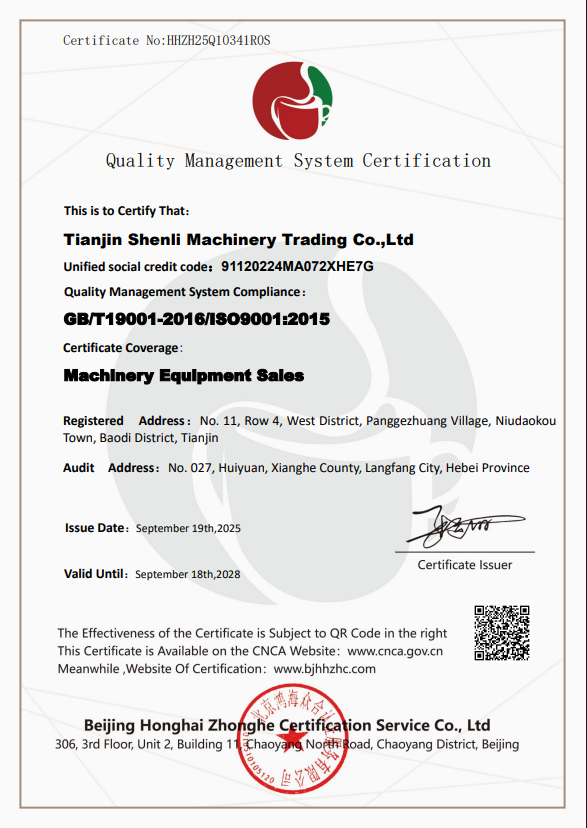


CE certification is a mandatory conformity mark for products sold within the European Economic Area (EEA), certifying that our equipment meets EU consumer safety, health, and environmental requirements. This allows for free circulation throughout European markets. ISO 9001:2015 is the international standard for Quality Management Systems (QMS), ensuring we consistently meet customer and regulatory requirements. These certifications reflect our unwavering commitment to manufacturing excellence and safety.
Technological Evolution & Future Trends in Foundation Drilling
As the construction industry moves towards greener practices and smarter job sites, the technology powering mining rock drills is evolving rapidly. Manufacturers and contractors are focusing on three main development axes:
1. Noise and Vibration Reduction
Urban foundation engineering often takes place near hospitals, schools, and residential zones with strict noise regulations. Modern pneumatic drills are increasingly equipped with advanced polyurethane silencing mufflers that reduce decibel levels without restricting exhaust airflow or compromising percussive power. Additionally, vibration-dampening handles protect operators from Hand-Arm Vibration Syndrome (HAVS), improving safety and allowing longer operational cycles.
2. Enhanced Air Consumption Efficiency
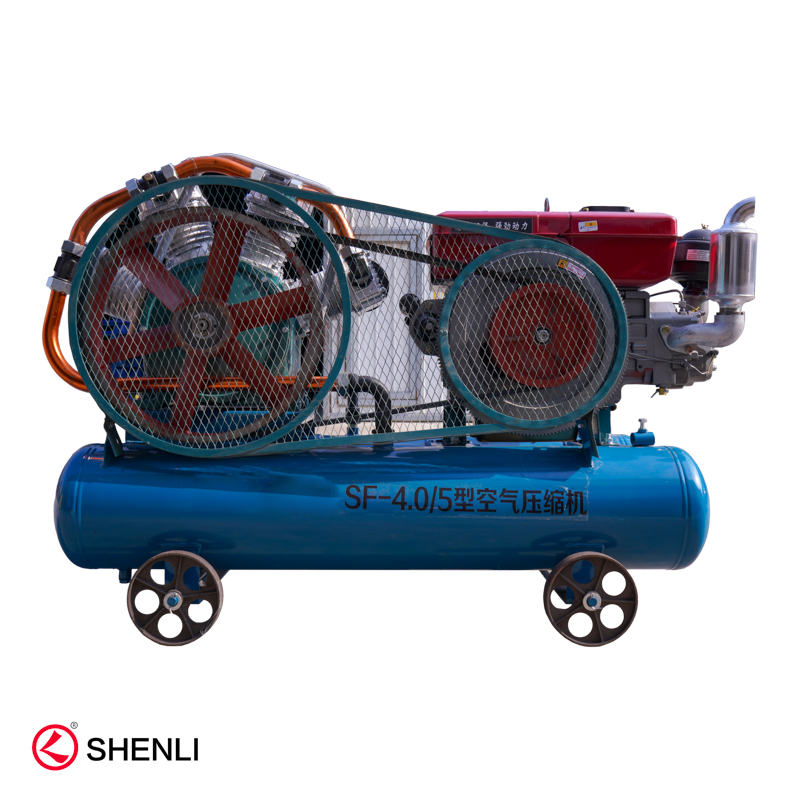
Air compressors represent a significant operational cost on construction sites. Next-generation rock drills utilize optimized internal valve chest designs to maximize the work done by every cubic meter of compressed air. By reducing internal leakage and optimizing piston stroke dynamics, modern drills deliver higher impact energy while reducing fuel consumption of the driving mobile air compressor, such as the heavy-duty SF4.0-5 mobile compressor system.
3. Integration of Smart Monitoring Systems
Looking forward, the integration of IoT sensors on pneumatic systems is a growing trend. Wear sensors can monitor the temperature, piston frequency, and lubrication levels of the drill in real-time, transmitting data to site managers to predict maintenance requirements before a catastrophic failure occurs. This level of smart integration is key to the "AI-enabled" smart construction sites of the future.