Deep Analysis: Dry Wet Dual Use Rock Drills in Foundation Engineering
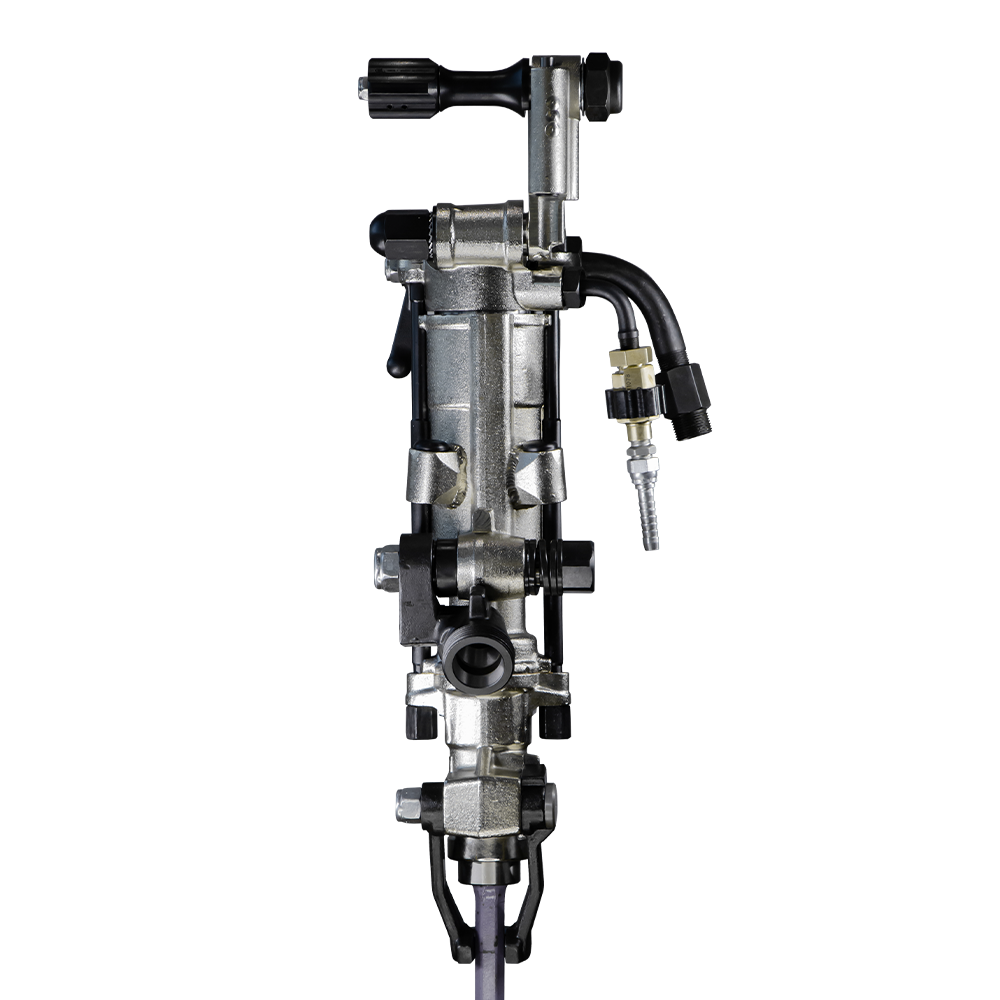
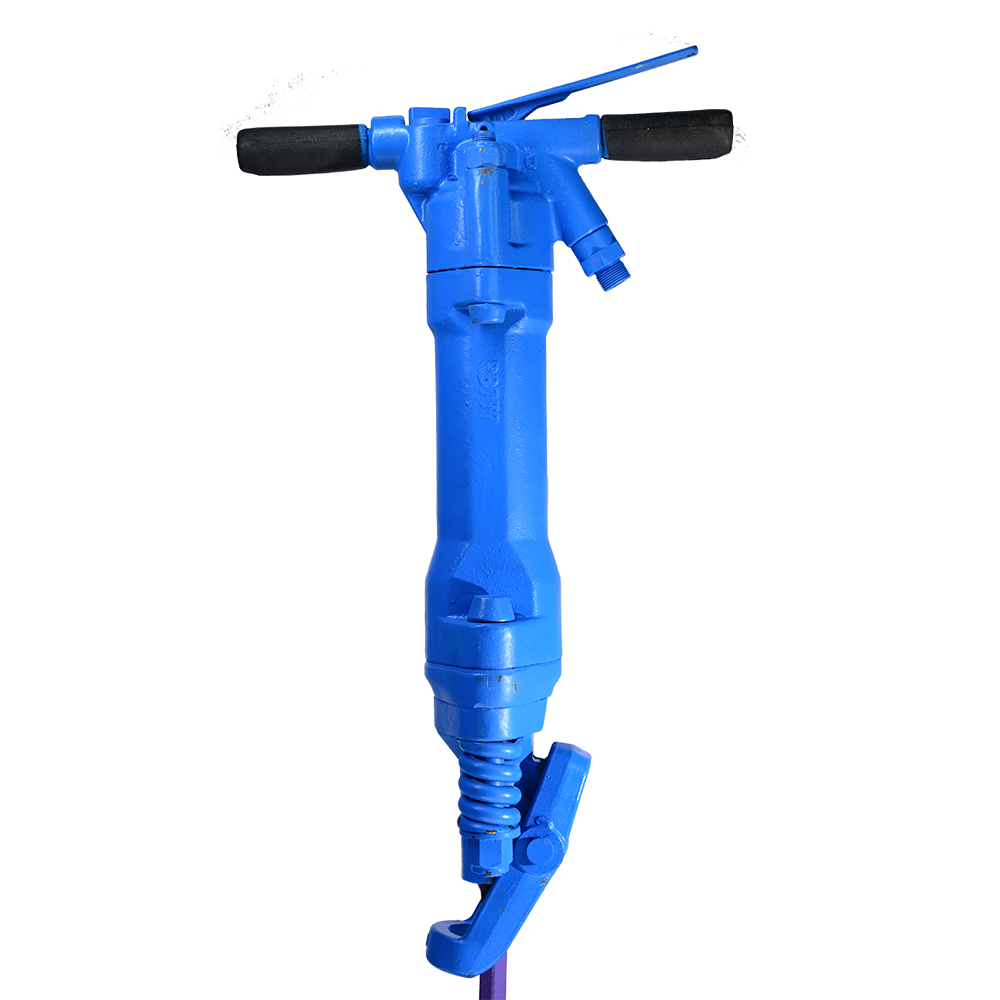
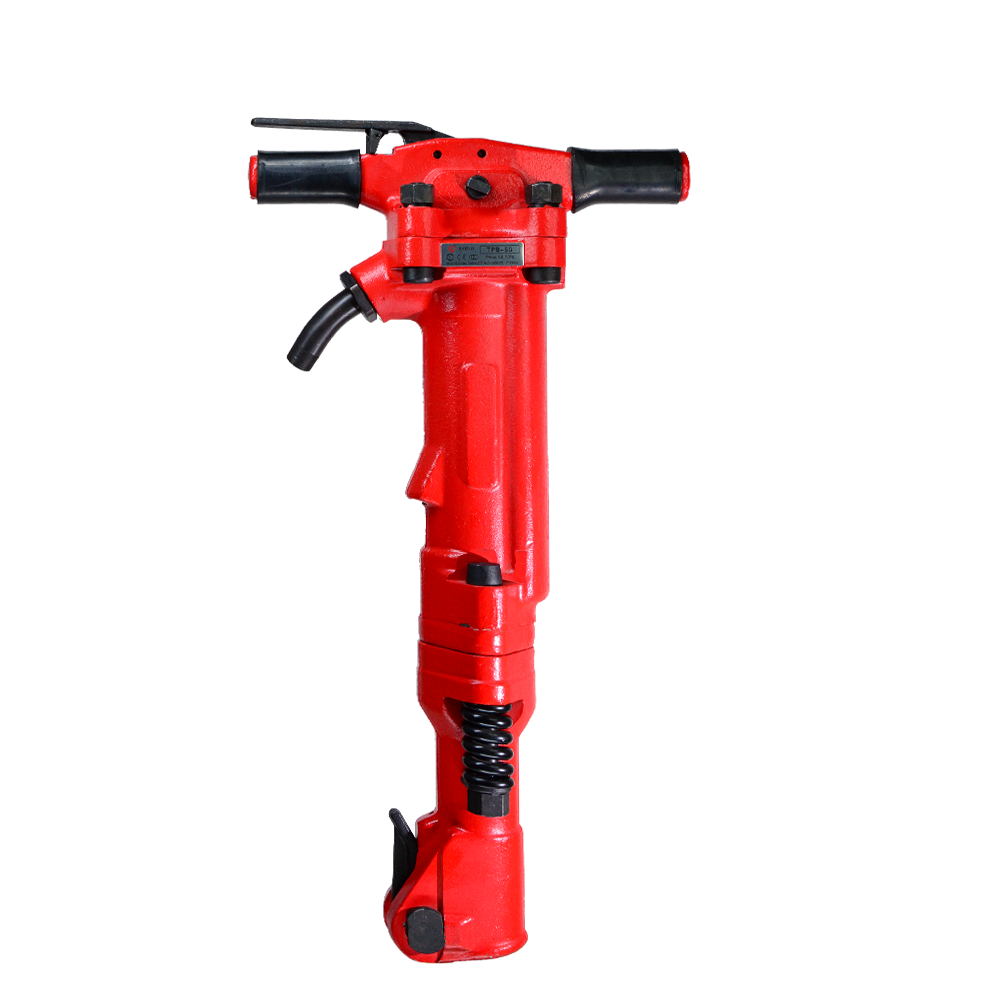
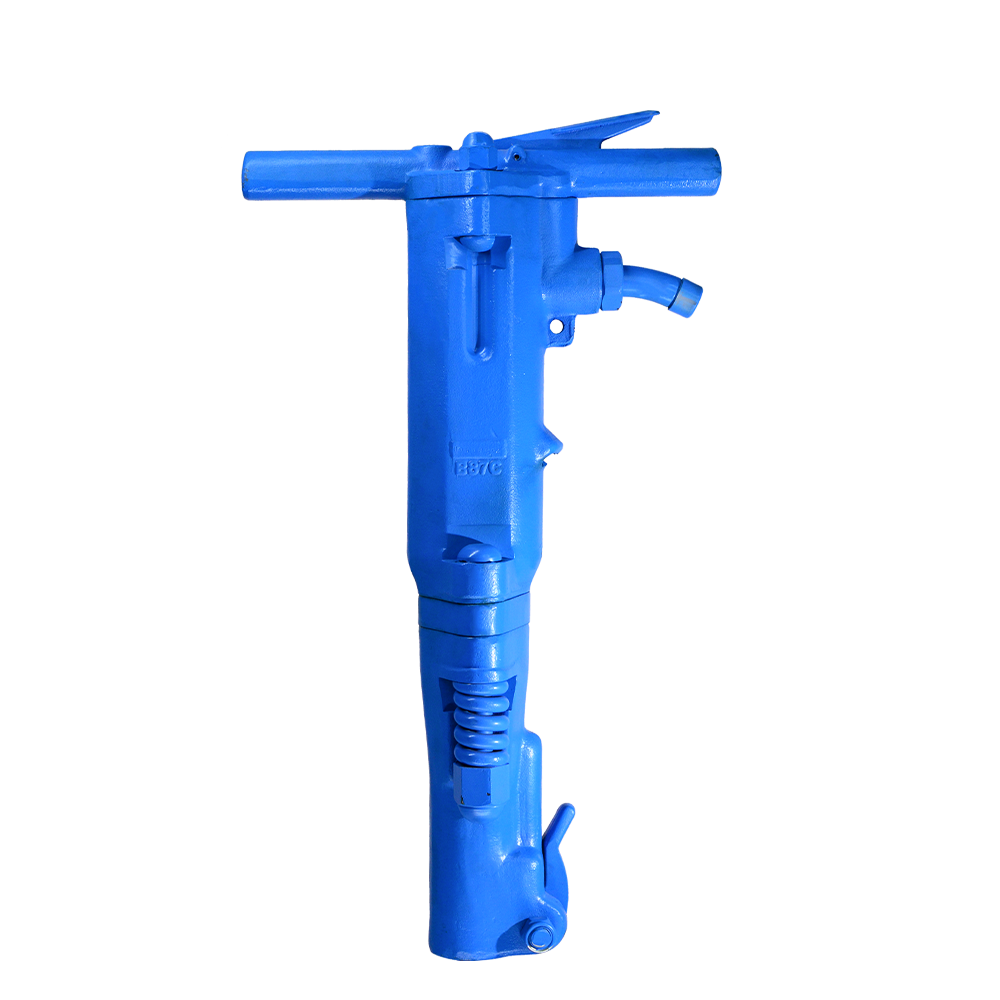
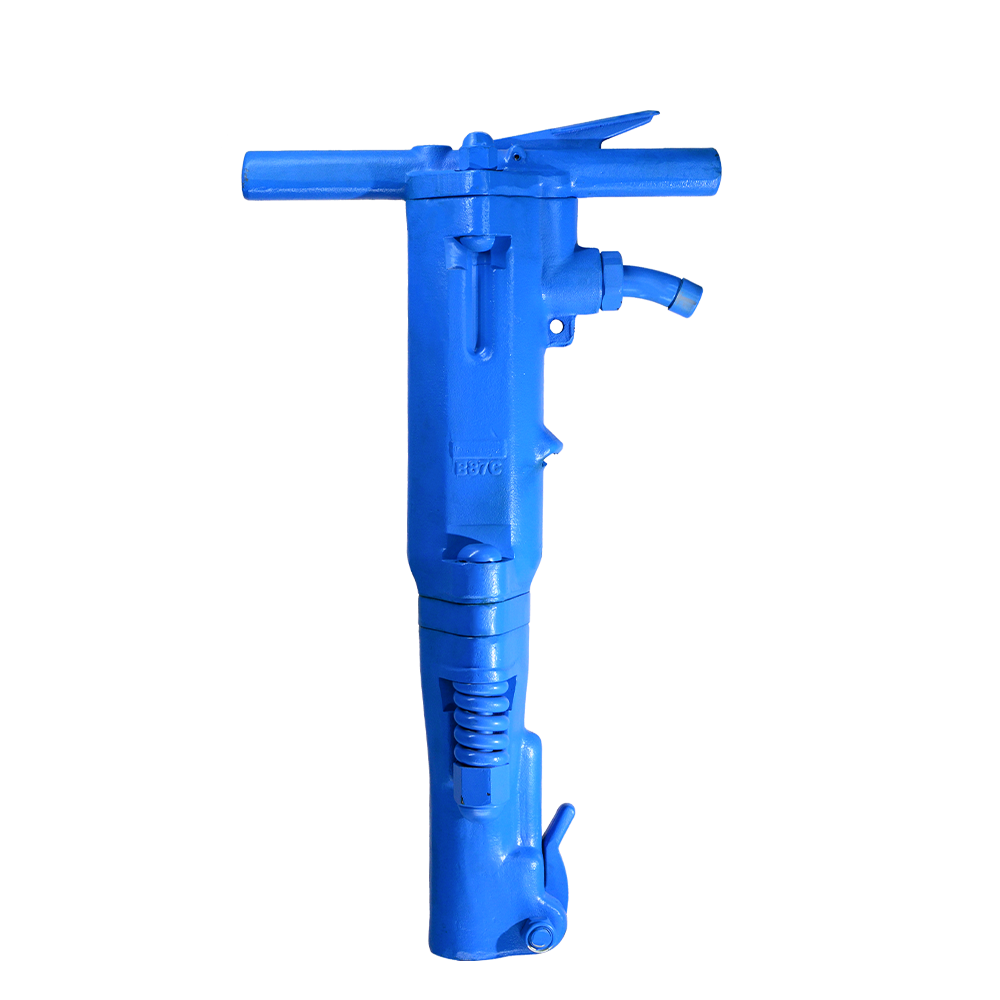
Modern foundation engineering is the bedrock of civil infrastructure, high-rise construction, tunneling, and urban development. As urban spaces become more congested and geological profiles increasingly complex, the demand for versatile, adaptable, and environmentally compliant drilling machinery has skyrocketed. Enter the dry wet dual use rock drill—a technological innovation that bridges the gap between different drilling environments, offering operators the flexibility to switch between air flushing (dry) and water flushing (wet) mechanisms seamlessly.
In traditional drilling, contractors were forced to deploy separate machines for dry and wet conditions, leading to higher capital expenditure, complex logistics, and extended project timelines. A dry wet dual use rock drill solves this problem by integrating optimized fluid dynamics within a single pneumatic or hydraulic hammer, allowing for instant adaptation to fluctuating groundwater levels, rock hardness, and environmental safety mandates.
The Commercial and Industrial Reality of Foundation Excavation
Globally, the construction industry is shifting toward stricter regulatory frameworks regarding workplace safety and environmental footprint. Silicosis—a fatal lung disease caused by inhaling crystalline silica dust—has driven regulatory bodies like OSHA (USA) and the European Agency for Safety and Health at Work to mandate dust suppression systems on all construction sites. Consequently, wet drilling has become the default requirement in urban areas. However, wet drilling is not always feasible. In cold regions, water lines freeze; in highly fractured rock formations or clay-rich soils, water can cause hole collapse or swelling. Thus, the ability to switch to dry drilling with integrated vacuum dust extraction is a major commercial advantage for modern contractors.
Deep Application Scenarios in Geotechnical Engineering
The versatility of dry wet dual use rock drills makes them indispensable across a wide range of foundation engineering applications. Let us dissect the specific scenarios where this equipment excels:
1. Urban Micro-Piling and Underpinning
Micro-piles are small-diameter piles (typically under 300mm) used to support structures where access is limited or ground conditions are poor. In urban underpinning projects, vibration must be minimized to protect adjacent historical buildings. Dry wet dual use rock drills allow operators to use wet drilling to suppress dust completely within enclosed basement spaces, and then switch to dry air-flushing when drilling through dry overburden materials where water might destabilize the surrounding soil matrix.
2. Slope Stabilization and Soil Nailing
For highway and railway cut slopes, soil nailing and rock bolting are standard stabilization techniques. These projects are frequently located in mountainous terrains with erratic water access. Here, the dual-use drill shines. Operators can utilize dry drilling with high-pressure air to clear cuttings when water is scarce. If the drill string hits a water-bearing fault zone, they can immediately transition to wet drilling to prevent borehole washouts and maintain structural integrity during the insertion of anchor bars.
3. Shaft Sinking and Trenching in Mixed Ground
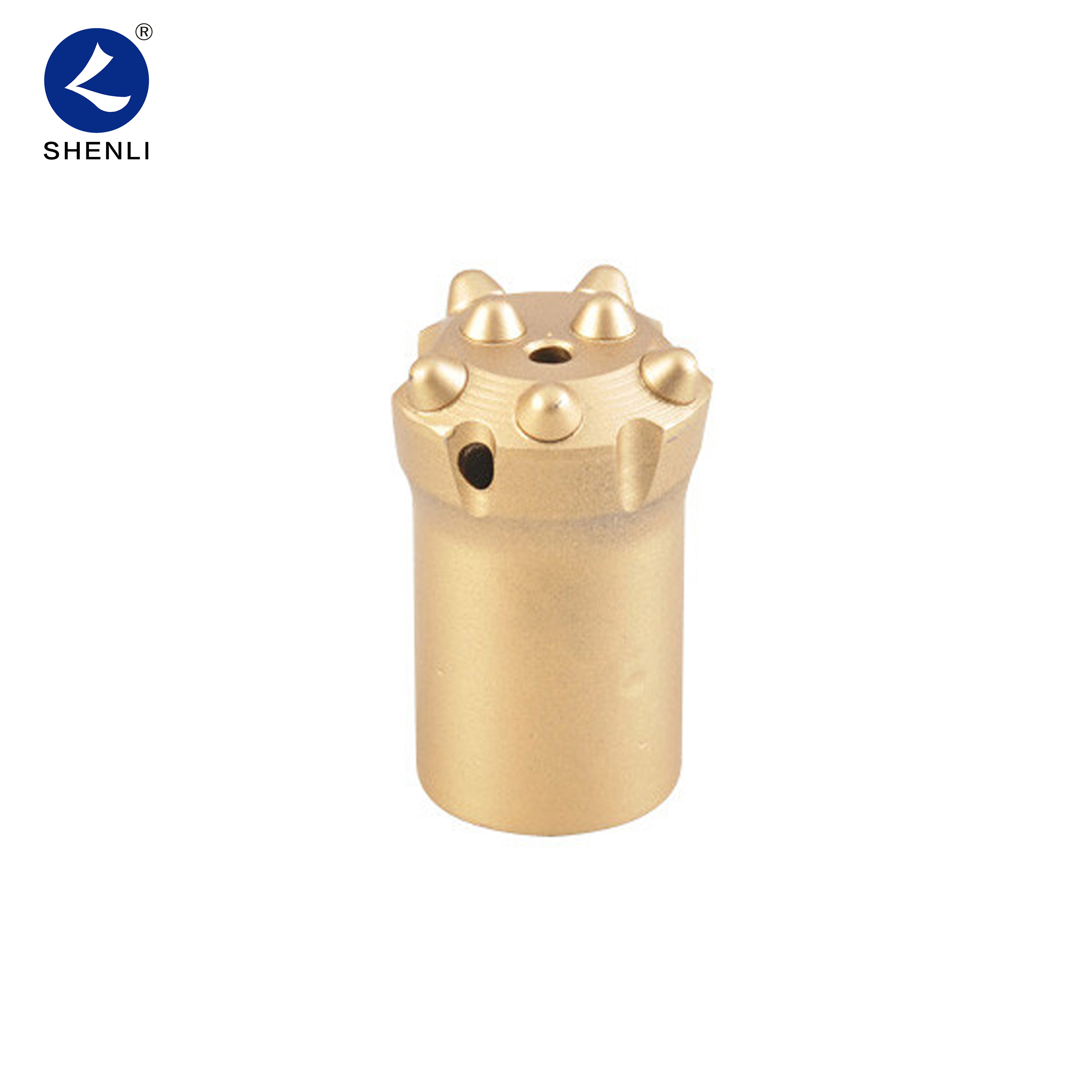
Excavating utility trenches or subway ventilation shafts often involves cutting through mixed-face ground conditions—alternating between soft soil, clay, and hard rock. When encountering hard granite or basalt, wet drilling reduces bit wear and increases penetration rates by cooling the carbide inserts. When transitioning back to clayey soils, dry air flushing prevents the formation of "mud rings" that clog the drill bit and stall the rotation system.
4. Anchoring in Marine and Coastal Foundations
Coastal infrastructure, such as ports, seawalls, and bridge abutments, requires heavy-duty anchoring systems. Drilling in these environments means dealing with high water tables and saline conditions. The wet mode of the dual-use drill integrates seamlessly with the ambient water pressure, preventing reverse flow of seawater into the pneumatic hammer. Conversely, when working on the dry, upper sections of the concrete structures, the dry mode ensures clean, dry holes ready for epoxy anchor bonding.
Company Profile: SHENLI Pneumatic Tools
SHENLI is a leading supplier of superior pneumatic tools for the construction, mining, and industrial markets. Since 2005, the Shenli brand has been synonymous with quality and innovation. For over a decade, the SHENLI brand has represented performance, innovation, and quality in the pneumatic tool industry. The SHENLI product line now offers a complete line of pneumatic tools, a wholly owned factory, and a full line of accessories.
With superior product performance, outstanding reliability, competitive pricing for factory-direct buyers, exceptionally ergonomically designed tools, and quality warranty terms, Shenli has become an industry leader. We take every customer's problem seriously so that we can solve our common challenges. Choosing Shenli is just the beginning; we provide reliable service and support through every step of the process, from product consultation to final delivery.
Our Corporate Culture & Values
- More Attentive Work together, keep improving in every manufacturing process.
- More Focused With sincerity, you can achieve anything. Customer satisfaction is our ultimate benchmark.
- More Thoughtful Customer first, service first. Comprehensive post-sales technical support.
- Dare to Innovate Keeping up with the times and forging ahead with advanced drilling technologies.

Striving to be a world-class supplier of rock drills.
Technological Trends and Market Outlook
The global rock drilling equipment market is undergoing rapid evolution. Key drivers include the integration of smart sensors, reduction of noise levels, and optimization of energy consumption. Let's explore the major trends shaping the future of dry wet dual use rock drills in foundation engineering:
1. Automation & IoT Integration: Modern rock drills are increasingly equipped with sensors that monitor real-time parameters such as torque, percussion frequency, and temperature. This data allows for predictive maintenance, preventing costly down-time on critical foundation sites.
2. Ergonomics & Operator Safety: Hand-arm vibration syndrome (HAVS) is a major concern for operators of hand-held rock drills. Manufacturers are designing advanced dampening systems that decouple the handle from the hammer body, significantly reducing vibration transmission.
3. Advanced Metallurgy: The use of premium alloy steels combined with precise heat treatment processes (such as carburizing and nitriding) has extended the lifespan of internal components (pistons, rifle bars, chucks) by up to 40%, reducing the total cost of ownership.
Optimizing Fluid Dynamics for Maximum Penetration Rate
The core engineering challenge of a dual-use drill is managing the internal fluid paths. When switching from air to water, the internal sealing must prevent water from leaking into the cylinder, which would wash away the lubricating oil film and cause rapid wear of the piston. SHENLI’s dual-use models utilize proprietary sealing rings and a high-efficiency water tube design that isolates the flushing medium from the primary drive chamber. This ensures that whether you are using high-pressure air or water, the impact energy delivered to the drill bit remains consistent and optimized.
Factory Tour: Precision Manufacturing Process
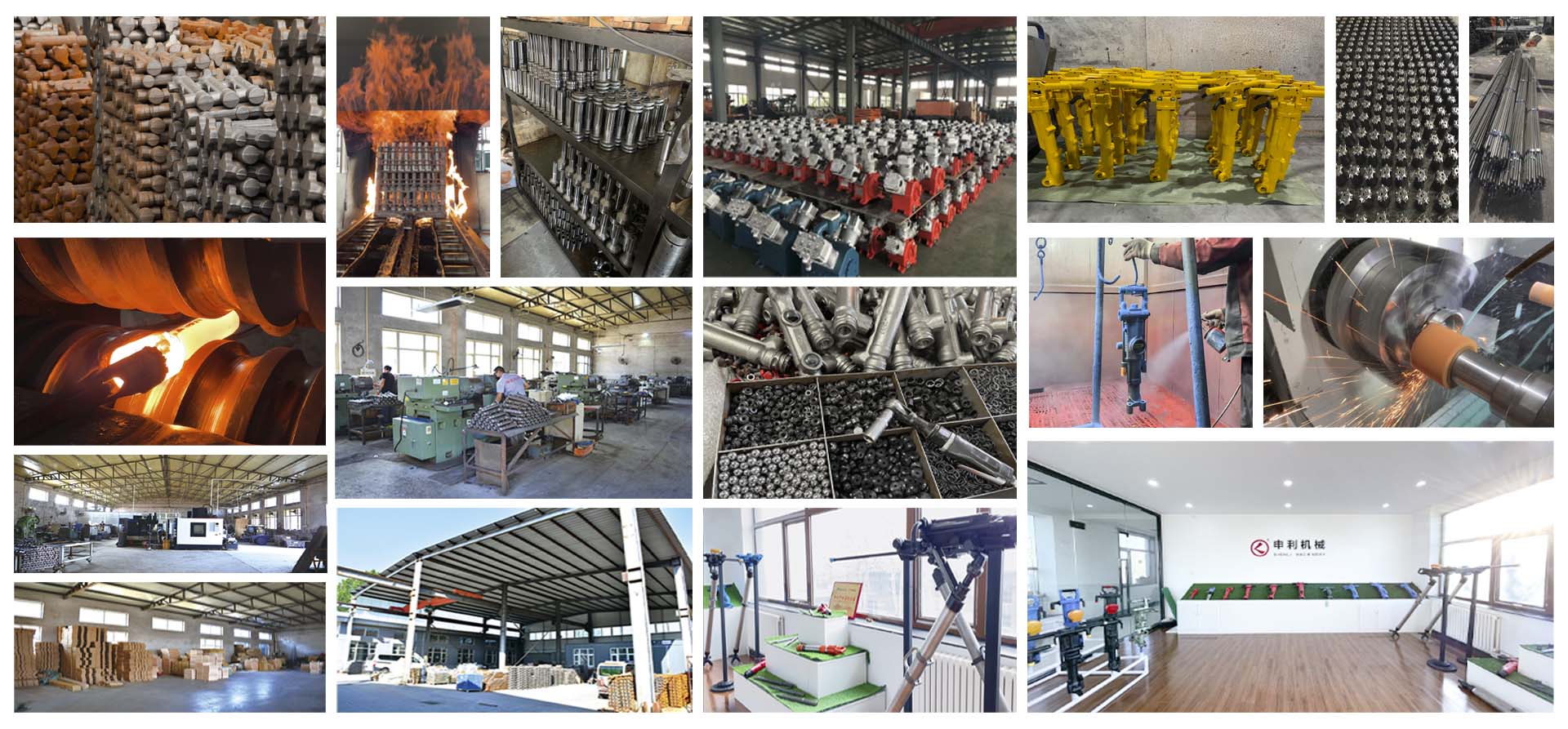
At SHENLI, we control every step of the manufacturing process to ensure that our dry wet dual use rock drills meet the highest standards of the international foundation engineering market.
Manufacturing Milestones
Raw Materials: All materials are sourced from domestic and international well-known suppliers, ensuring that the raw steel is completely free from internal flaws or structural inconsistencies.
Processing: We run precision machining production lines, including high-precision CNC lathes and multi-axis CNC milling machines. Machine tools are sourced from world-renowned brands, and online quality assurance is performed at every single step.
Heat Treatment: All heat treatment activities are carried out in a sealed quench furnace. Our facilities include carburizing, nitriding, volume quenching, annealing, and tempering to maximize rock drill wear resistance.
Grinding: We have world-class grinding equipment capable of maintaining dimensions to within 3 microns. The grinding line includes universal CNC grinding machines, cylindrical CNC grinding machines with process gauges, and CNC internal diameter grinding machines.
Surface Treatment: We offer a range of surface treatment options, including painting and anti-corrosion coatings. These processes increase the service life of the tools and provide an appearance that meets international market requirements.
Assembly & Commissioning: Assembly and testing are carried out by our dedicated team on custom-built assembly platforms and test machines. Each assembled rock drill is tested for torque, BPM (blows per minute), and air consumption. After successful testing, each machine receives a test certificate to guarantee its field performance.
Quality Control & International Certifications

Quality Standards
1. Customer satisfaction is achieved through the provision of 'zero defect' products and timely delivery.
2. Ensuring an orderly, standardized manufacturing program.
3. Increased production efficiency through the adoption of the latest CNC technology and grinding equipment.
4. The company provides regular training to its employees in accordance with defined objectives, training needs, and safety requirements.
Global Compliance & Certifications
CE certification is a mandatory conformity mark for products sold within the European Economic Area (EEA). The CE mark certifies that our rock drills meet EU consumer safety, health, and environmental requirements, allowing for free circulation within European markets.
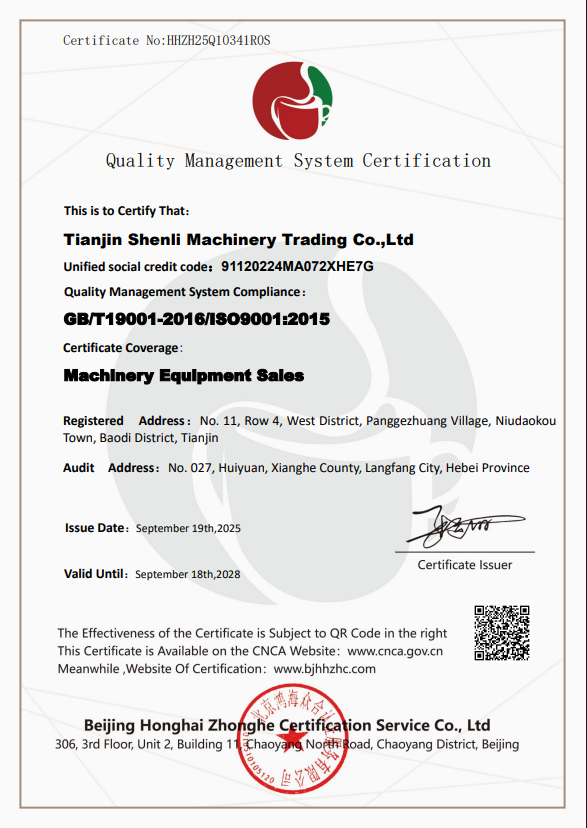
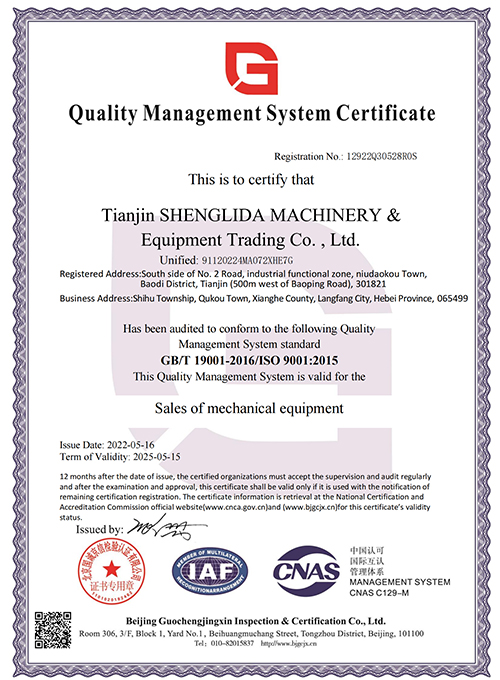
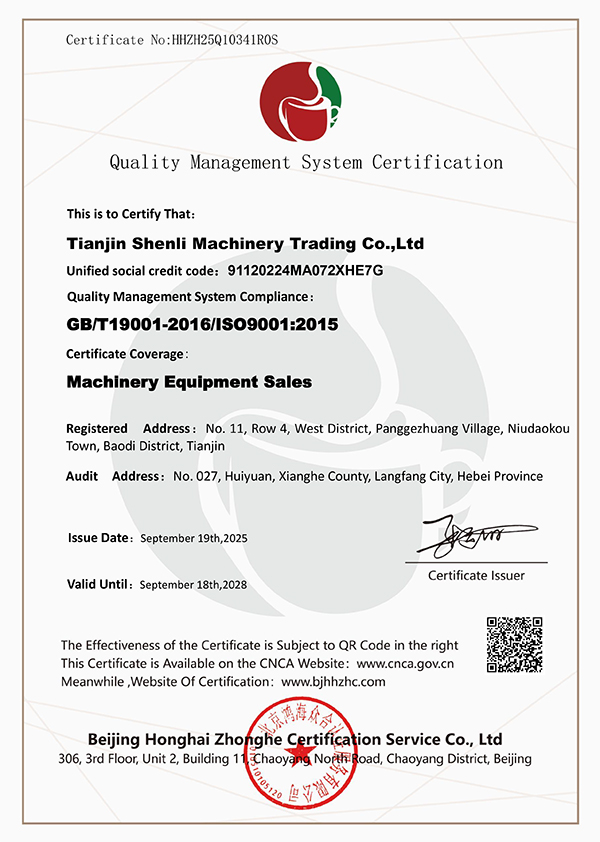
ISO 9001:2015 is the international standard for Quality Management Systems (QMS). Our factory has been ISO 9001:2015 certified since 2015. Our experienced quality inspectors use a variety of precision instruments and special gauges to test the dimensional and functional performance of all components. Regular internal and external audits are carried out to continuously improve quality.


Success Cases: Global Trust in Foundation Engineering Projects
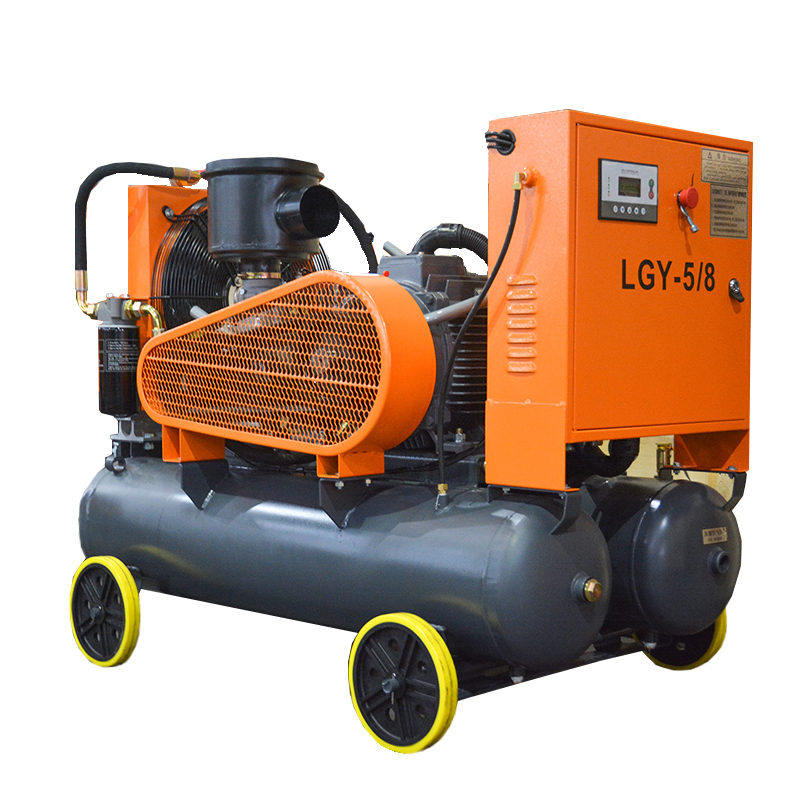
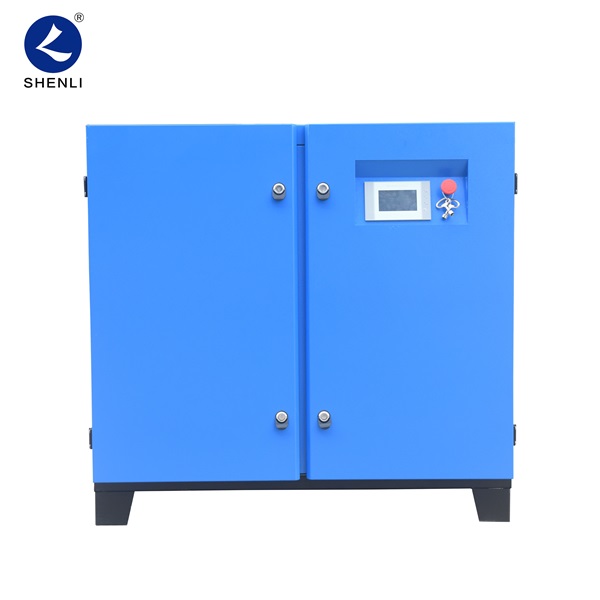
Our pneumatic rock drills and air compressors have been exported worldwide, proving their reliability in critical geotechnical and foundation projects.
Dutch Foundation Contractors


The Dutch customer came to our factory and was satisfied with the production equipment, raw materials, as well as advanced processes that we have in place. The client signed a custom order for 500 units of our rock drills for their regional foundation engineering projects. They hope long-term cooperation can occur between both parties moving forward since they are happy overall from their visit.
U.S. Geotechnical Infrastructure Project


An American customer visited our manufacturing facility to evaluate our dry wet dual use rock drills for urban micro-piling projects. Following an in-depth technical negotiation regarding torque outputs and dust suppression efficiency, we reached a long-term strategic supply agreement.
Japanese Tunneling & Anchoring Specialists


The Japanese customer was highly satisfied with the factory equipment and production process. He proposed that we work together on custom design variations, which would give them an edge over competitors in high-precision slope stabilization projects in Japan.
India Mining & Foundation Excavation


We are delighted that Indian customers visited our factory to learn more about our ISO 9001 certification. We explained in detail which parts go to which products, and how many different assembly lines there are. He is looking forward to working with us, and we continue to maintain a highly productive cooperative relationship.
Our Complete Rock Drilling & Compressor Product Line