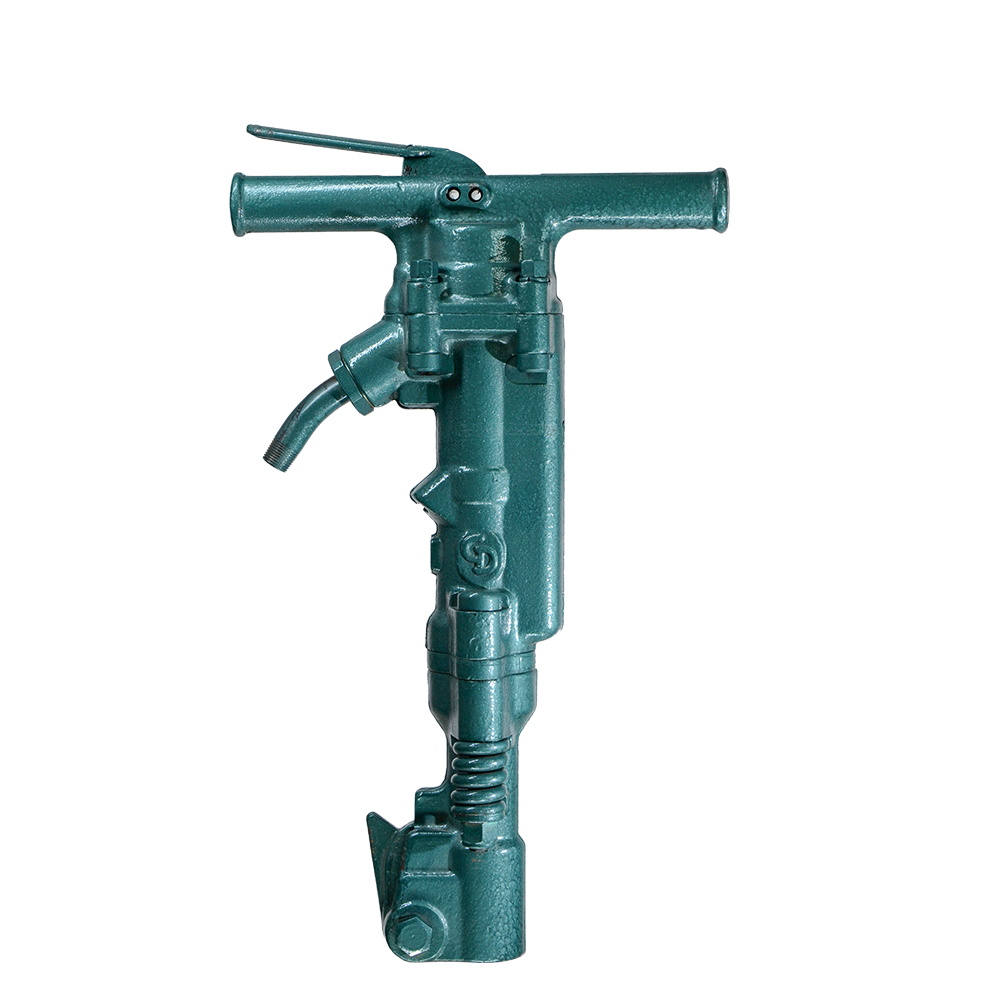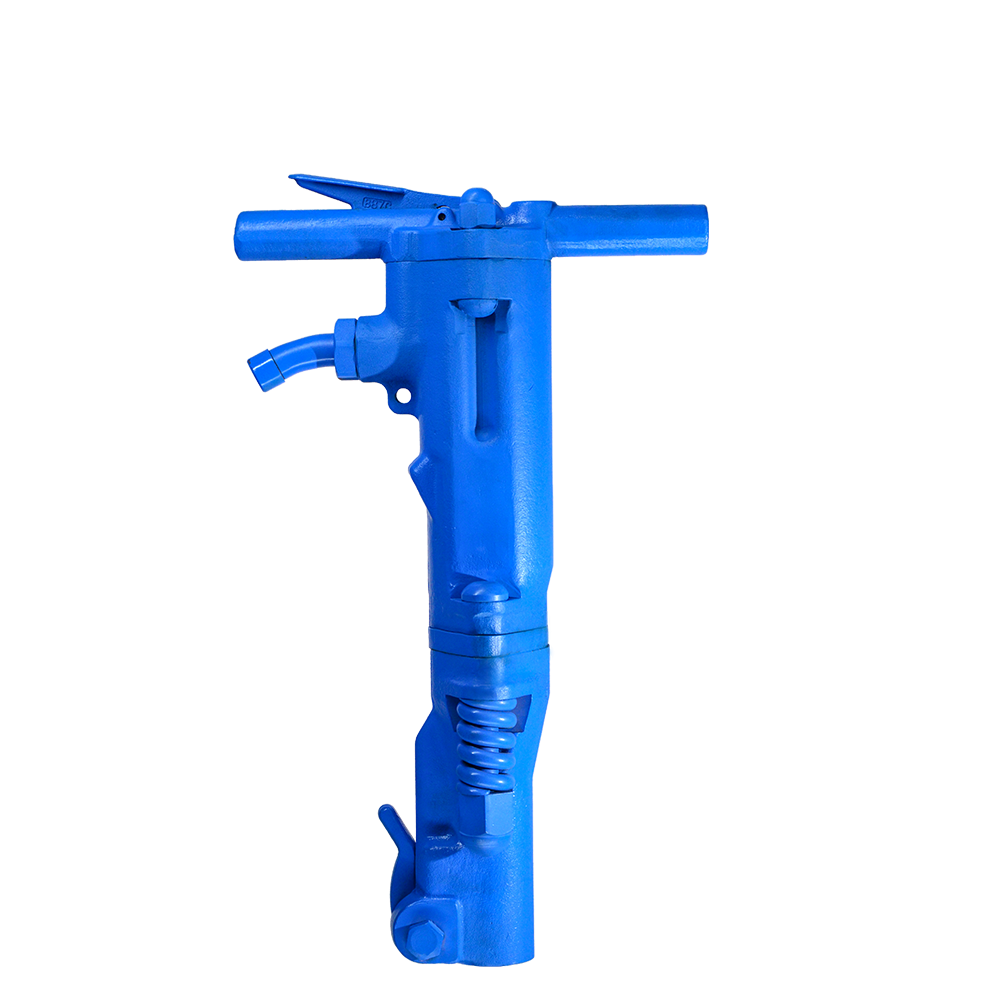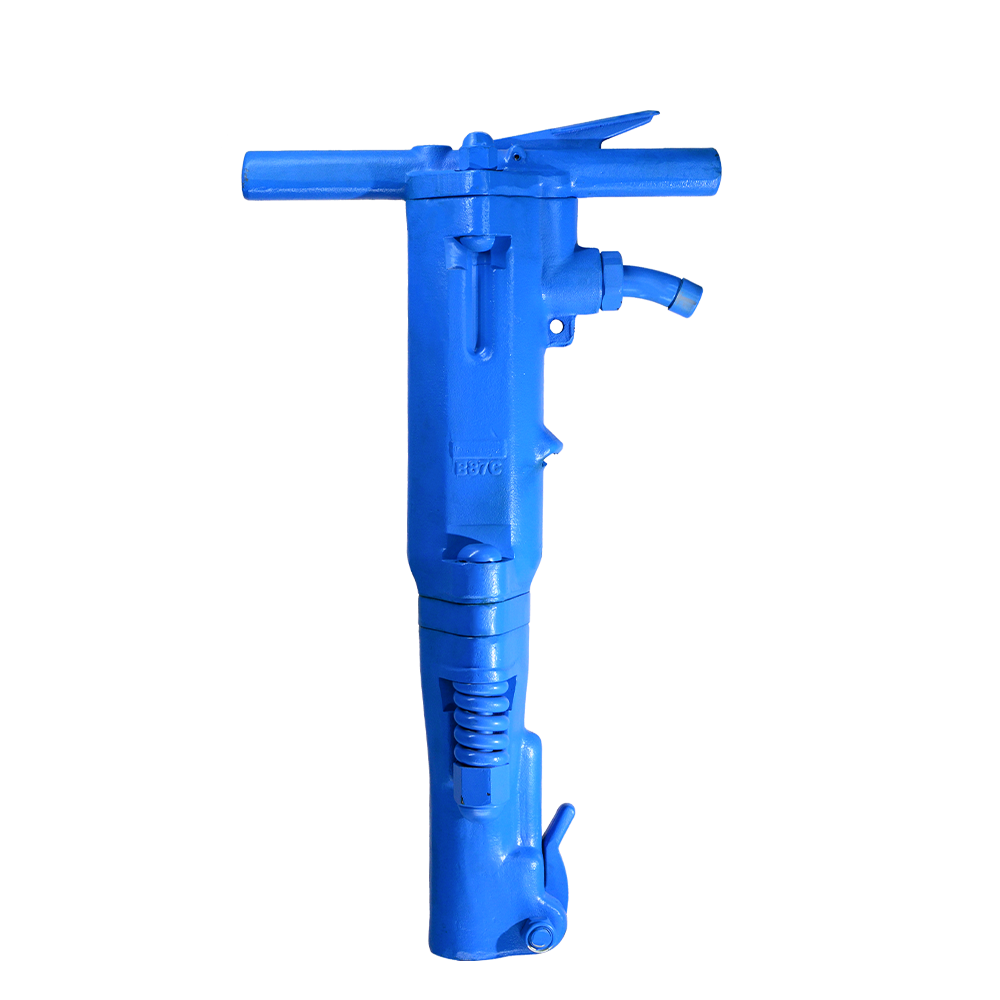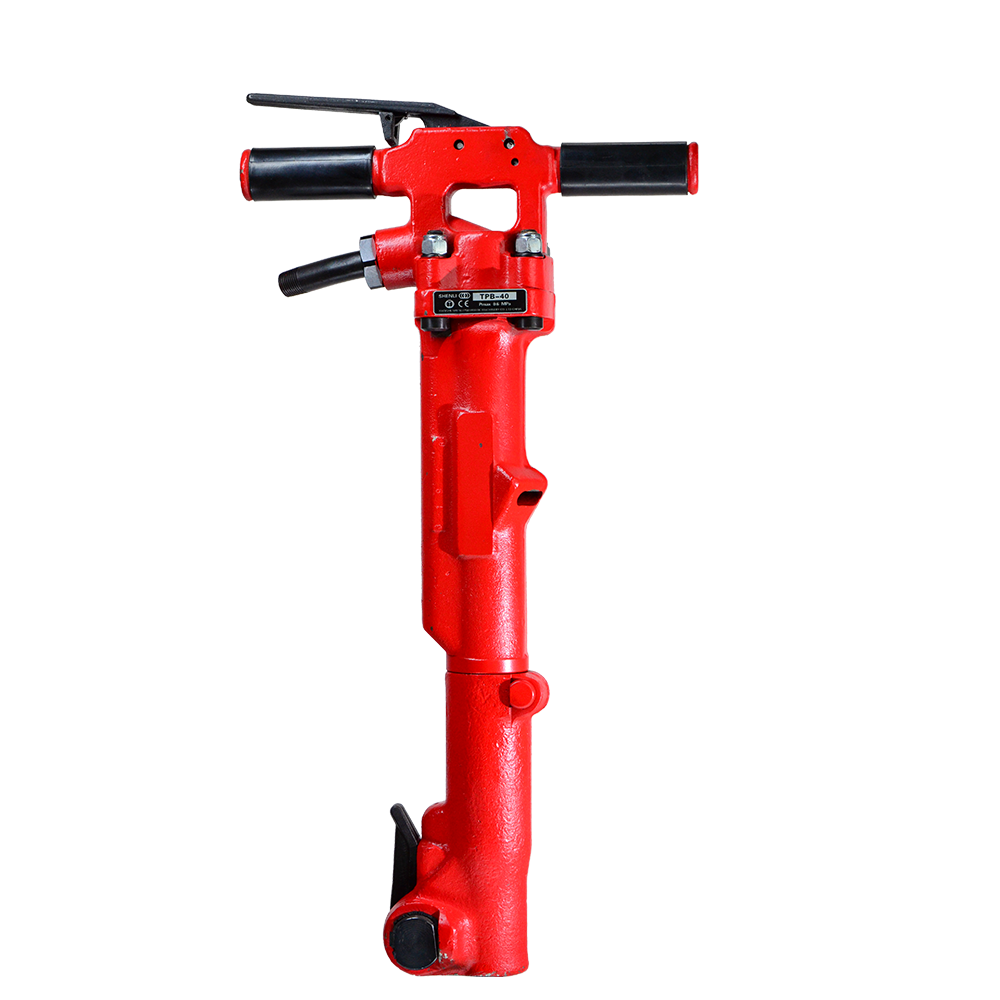
Commercial & Industrial Landscape of Air Leg Rock Drills in Underground Mining
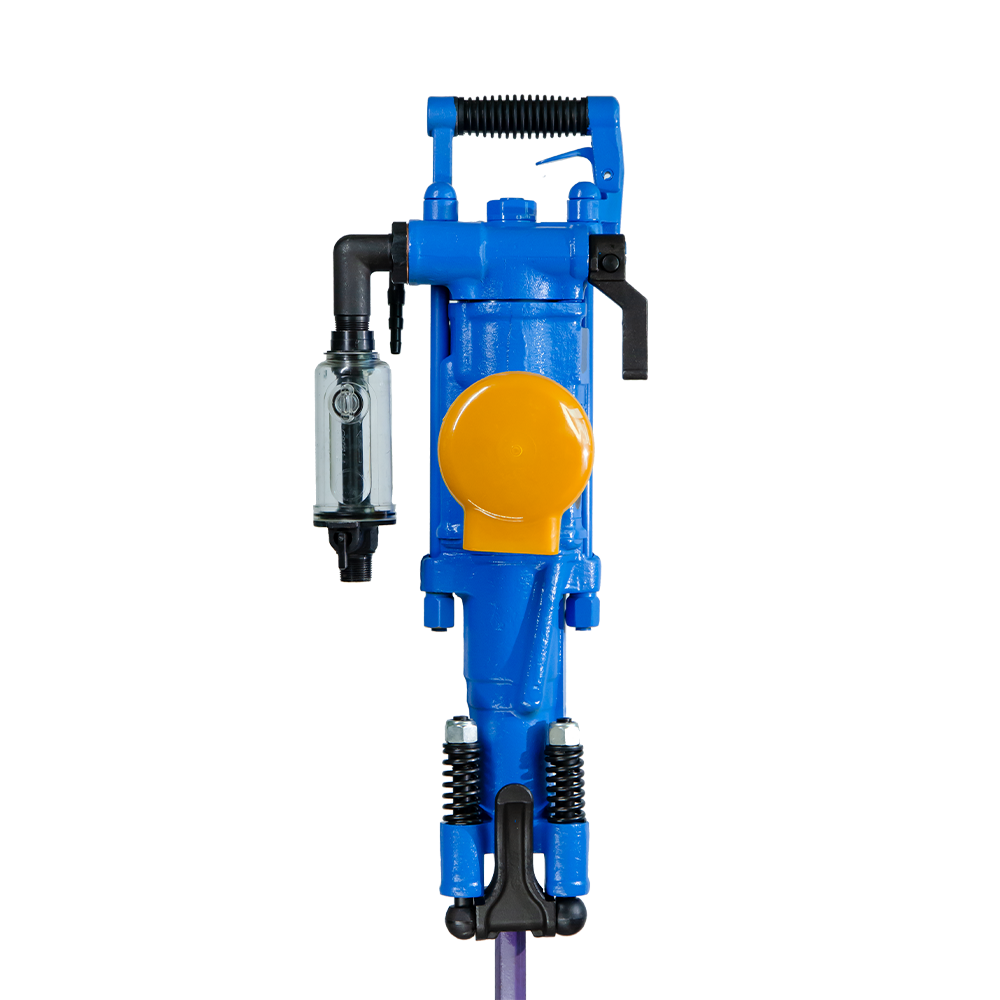
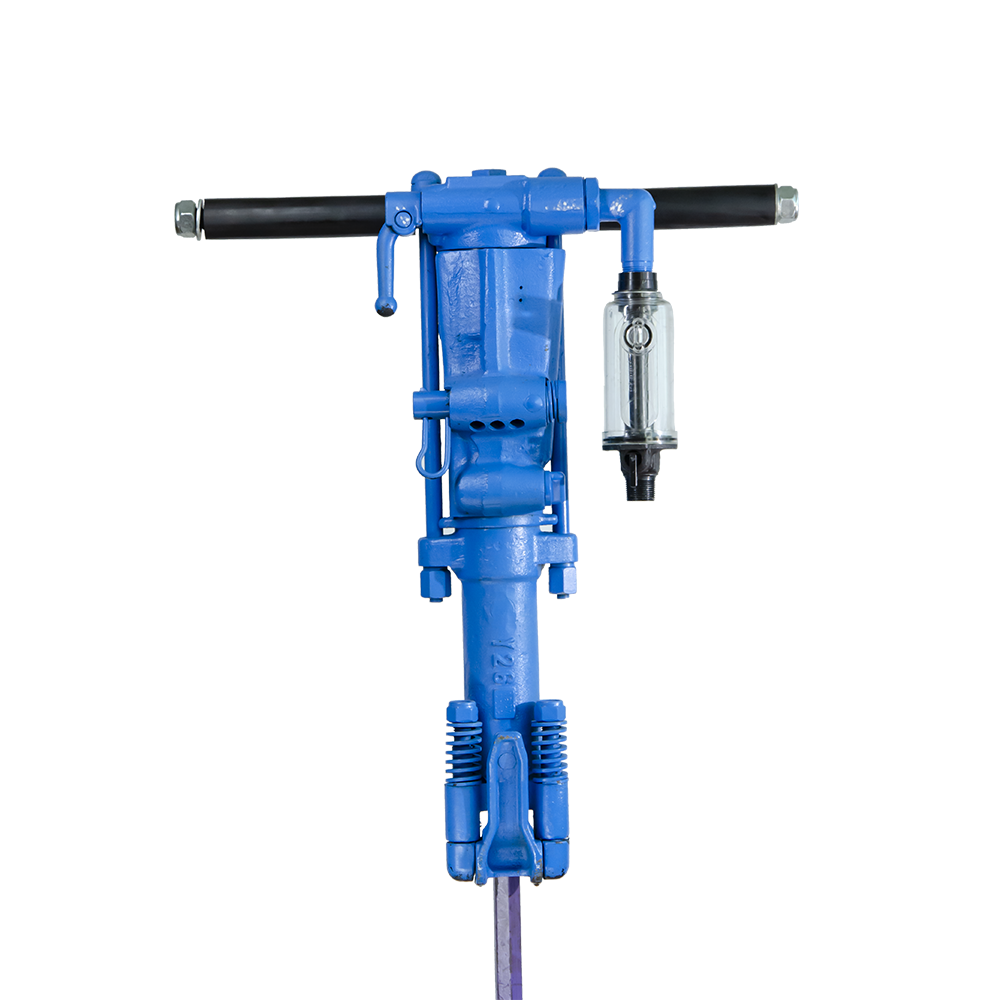
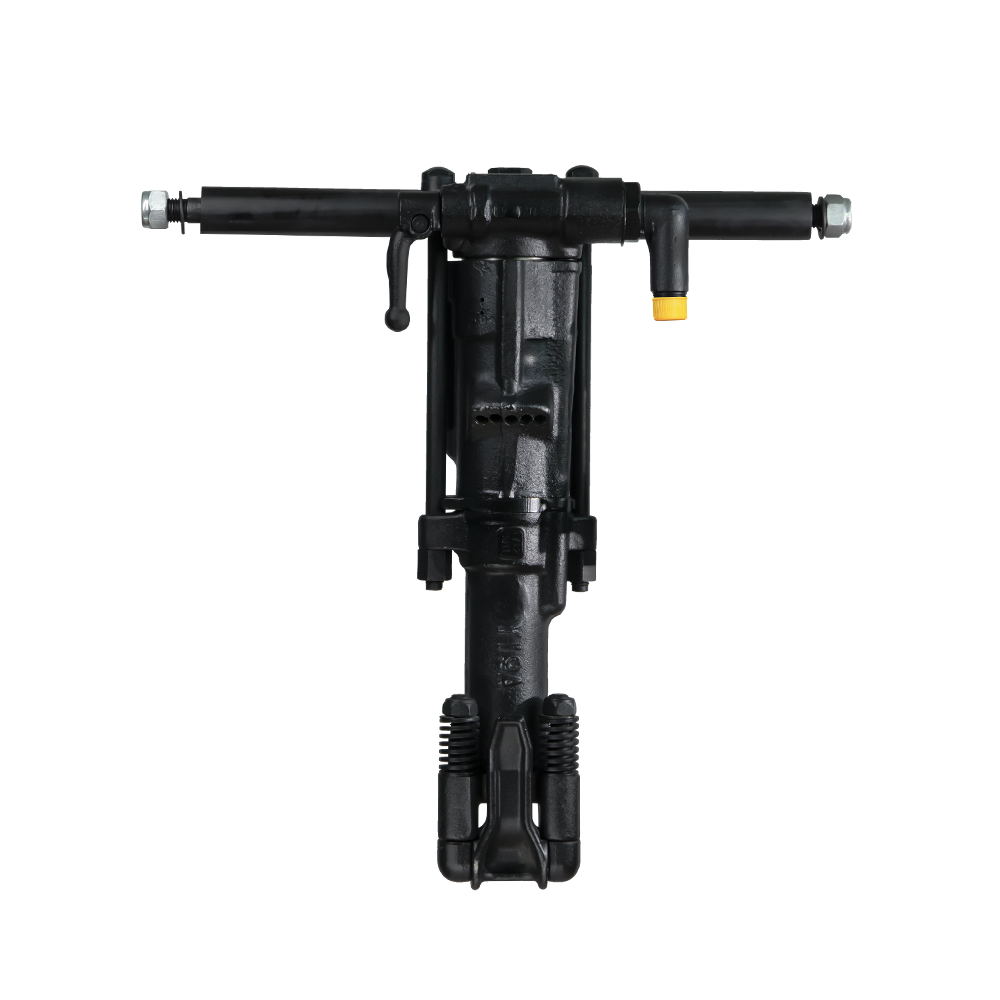
In the rigorous realm of global underground extraction, the air leg rock drill for underground mining remains an indispensable asset. Despite the rise of automated heavy hydraulic drilling jumbos, pneumatic air leg rock drills (also known as pusher leg rock drills) hold an unshakeable market position due to their unrivaled versatility, robust mechanical reliability, low capital expenditure (CAPEX), and superior adaptability in narrow-vein mining and complex geological formations.
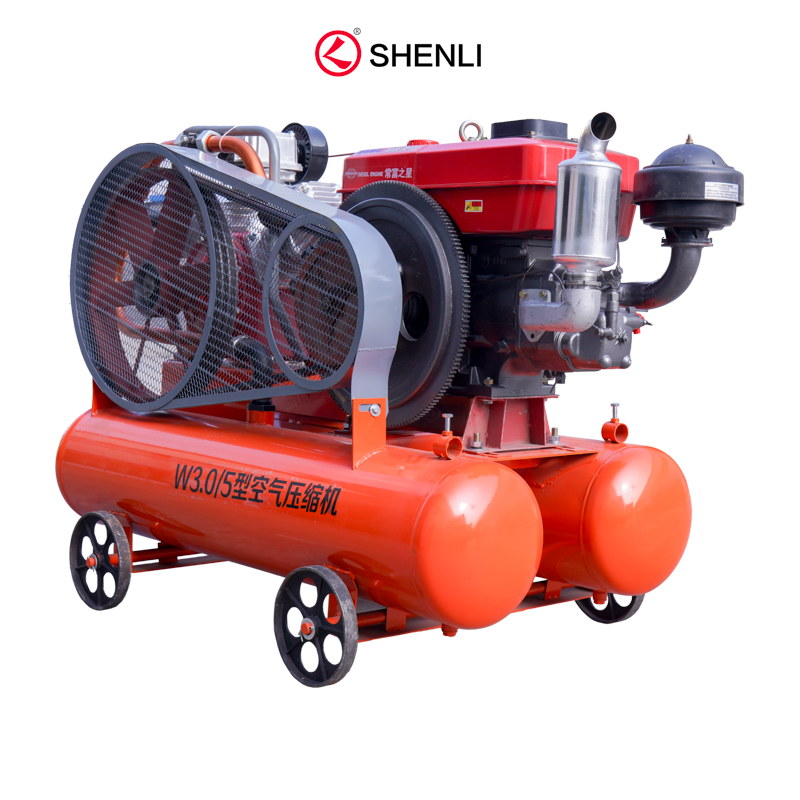
Global mining enterprises operating in gold, copper, platinum, iron ore, and coal fields continually demand high-impact percussive drilling tools capable of enduring high humidity, acidic mine water, and abrasive rock dust. The air leg rock drill utilizes compressed air not only to strike and rotate the drill steel but also to extend an integrated pneumatic leg, delivering consistent thrust against horizontal, inclined, or vertical rock faces. This ergonomic transfer of force minimizes operator fatigue while optimizing energy transfer directly into hard rock mass.
Key Economic Drivers for Air Leg Rock Drills
- Low Initial Investment: Requires a fraction of the capital investment needed for motorized track or crawler drilling jumbos.
- Narrow Drift Compatibility: Operates efficiently in tight tunnels, steep slopes, and restricted cross-sections where heavy machinery cannot enter.
- High Reliability & Easy Maintenance: Fewer electronic components mean resilience against harsh underground ambient conditions and simplified field repairs.
- Optimized Energy Efficiency: Advanced valving mechanisms maximize impact rate per cubic meter of air consumption.