The Critical Role of Self-Contained Rock Drills in Modern Road Construction
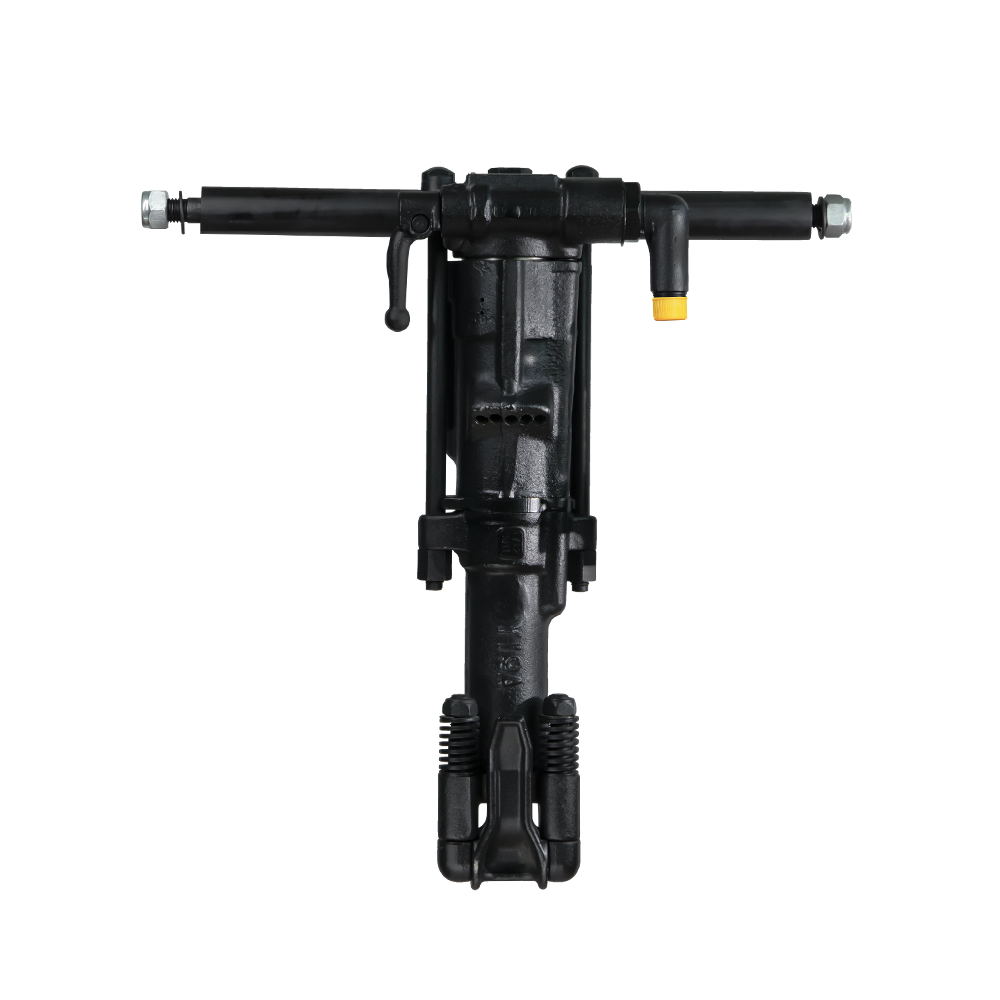
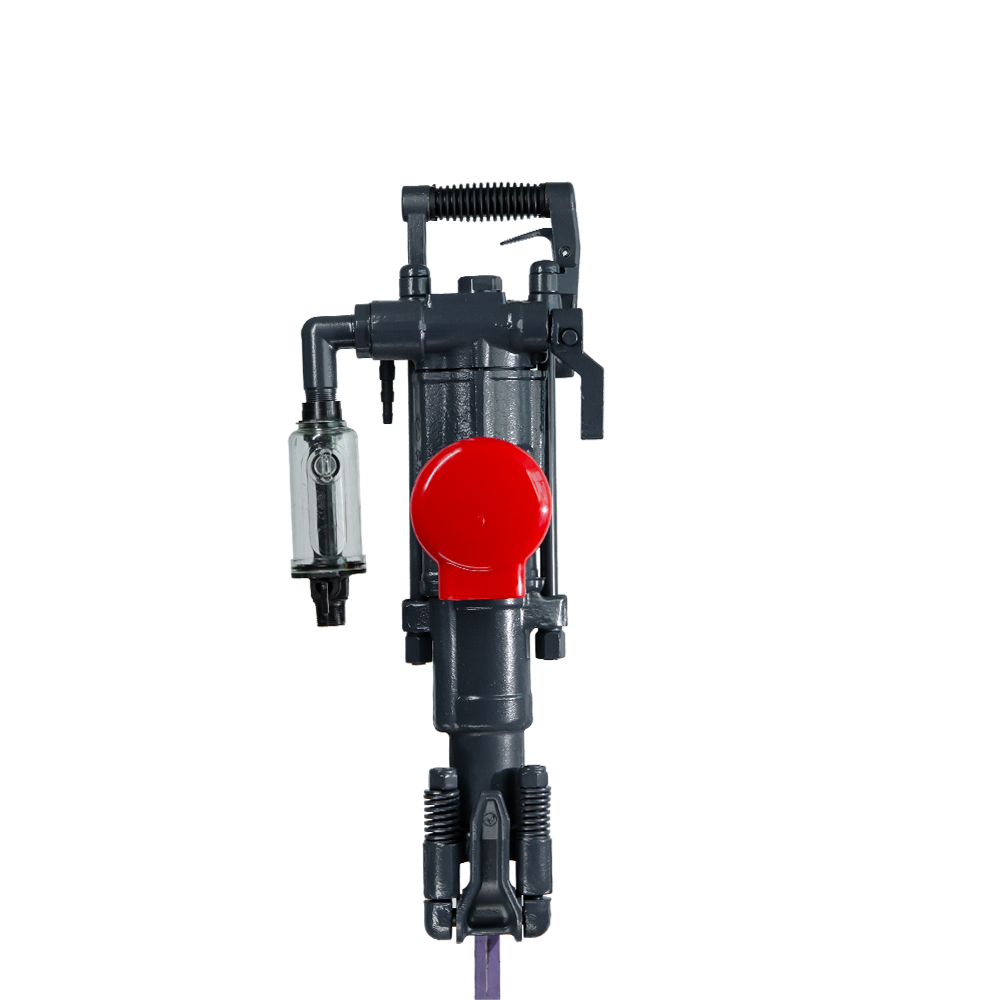
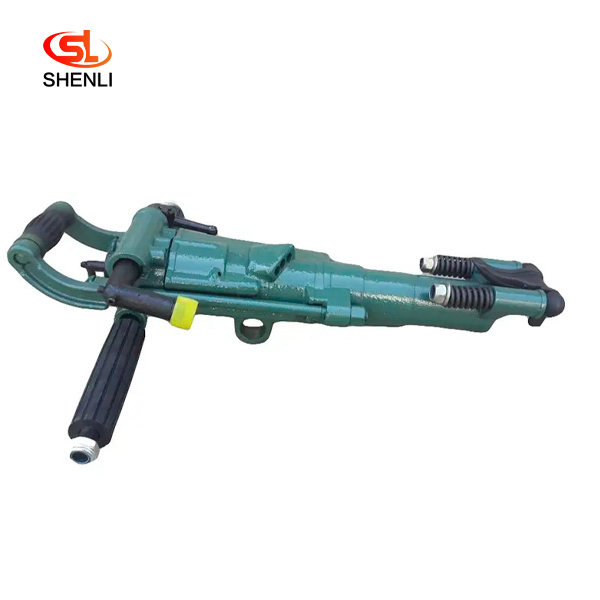
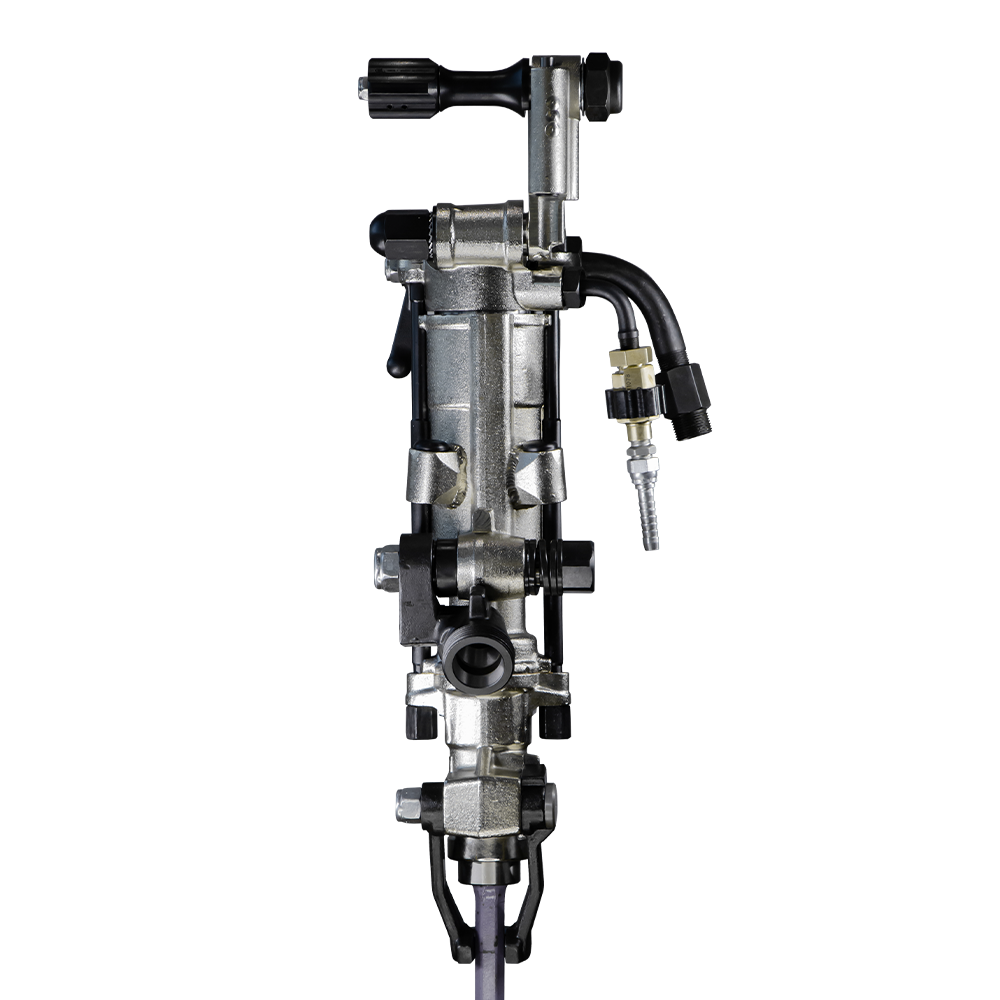
Road construction projects frequently encounter diverse geological formations, requiring heavy-duty tools to carve through granite, limestone, and reinforced concrete. Among the array of equipment utilized in these projects, the self-contained rock drill for road construction stands out as an indispensable asset. These tools deliver high-impact energy directly to the rock face, enabling rapid excavation, slope stabilization, and utility trenching. By combining power, portability, and independent operation, self-contained rock drills bypass the logistical constraints of traditional heavy machinery, making them the preferred choice for modern infrastructure development.
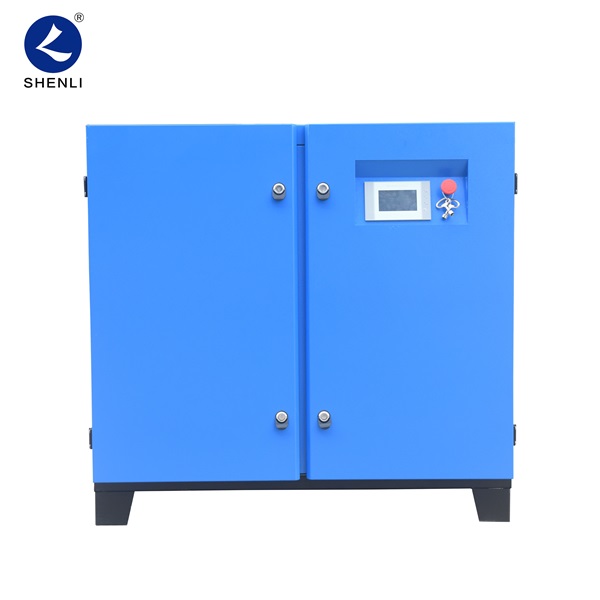
In the context of modern engineering, "self-contained" refers to drilling systems that integrate their power source or operate with minimal external support. While heavy crawler rigs are restricted to flat terrains, hand-held and pusher-leg pneumatic rock drills, when paired with compact high-efficiency air compressors, function as versatile, self-contained systems. They allow operators to navigate steep embankments, narrow mountain paths, and congested urban zones where larger machinery cannot tread. This agility is vital for expanding transportation networks across challenging terrains globally.