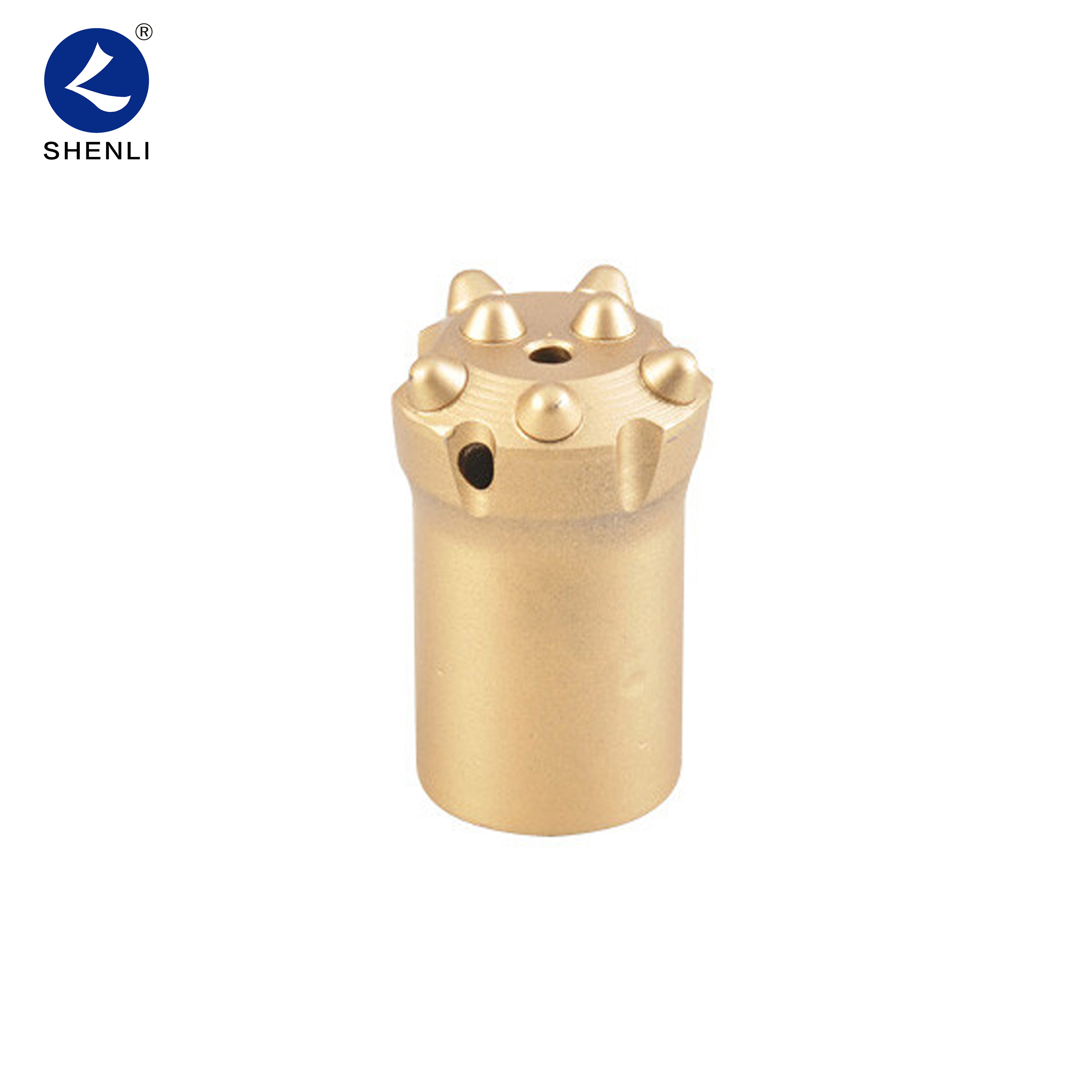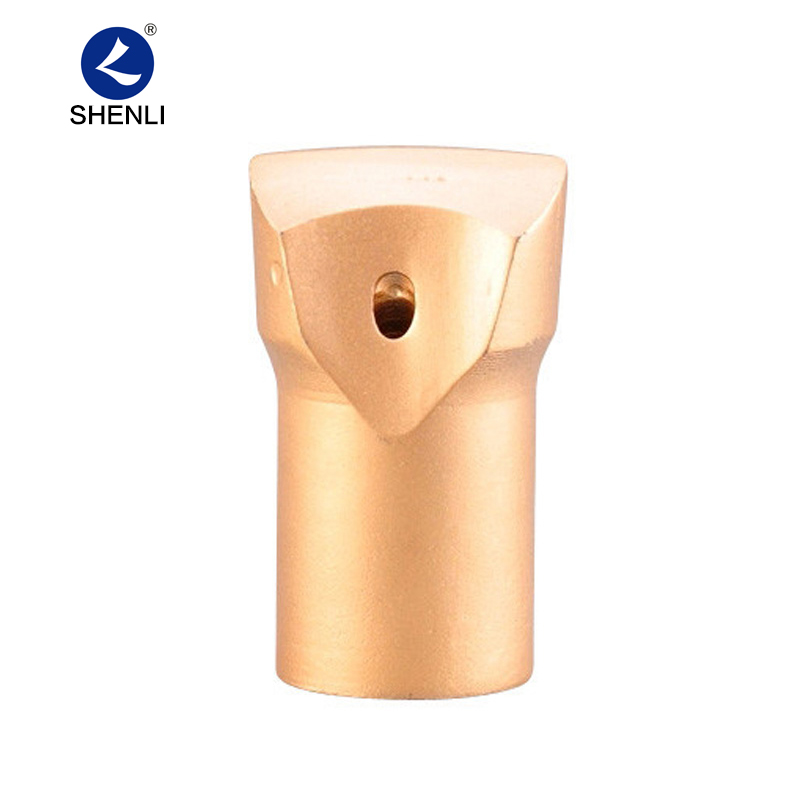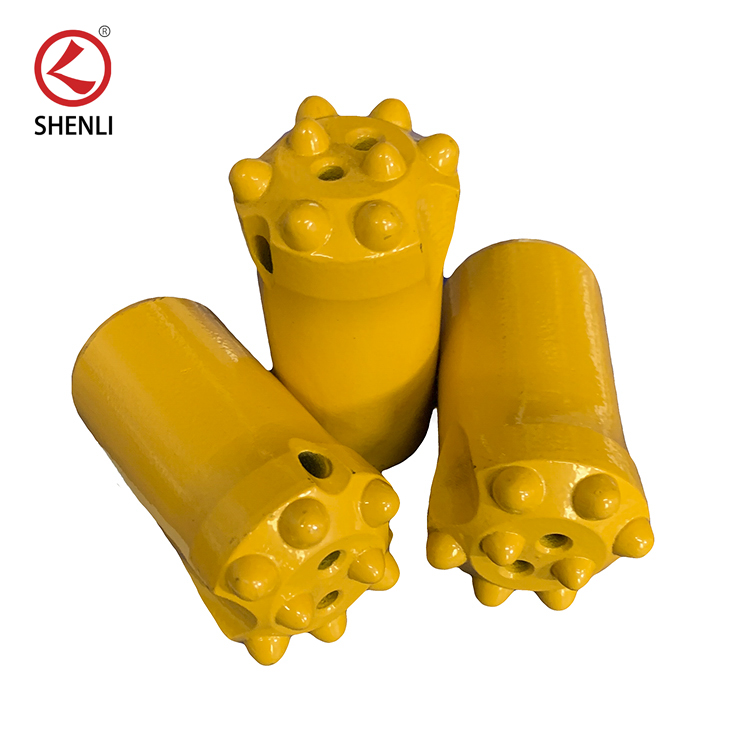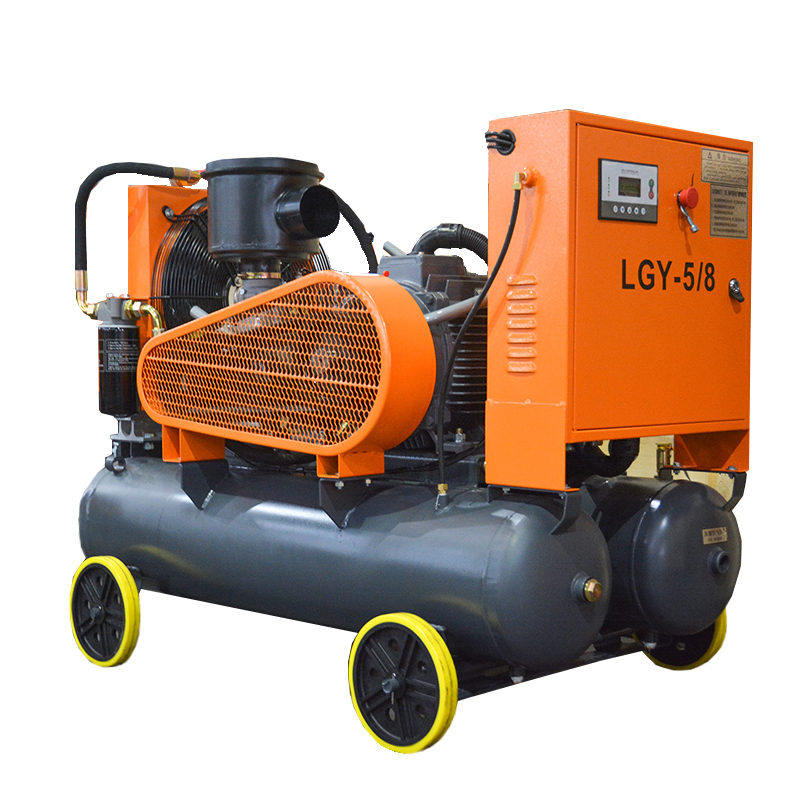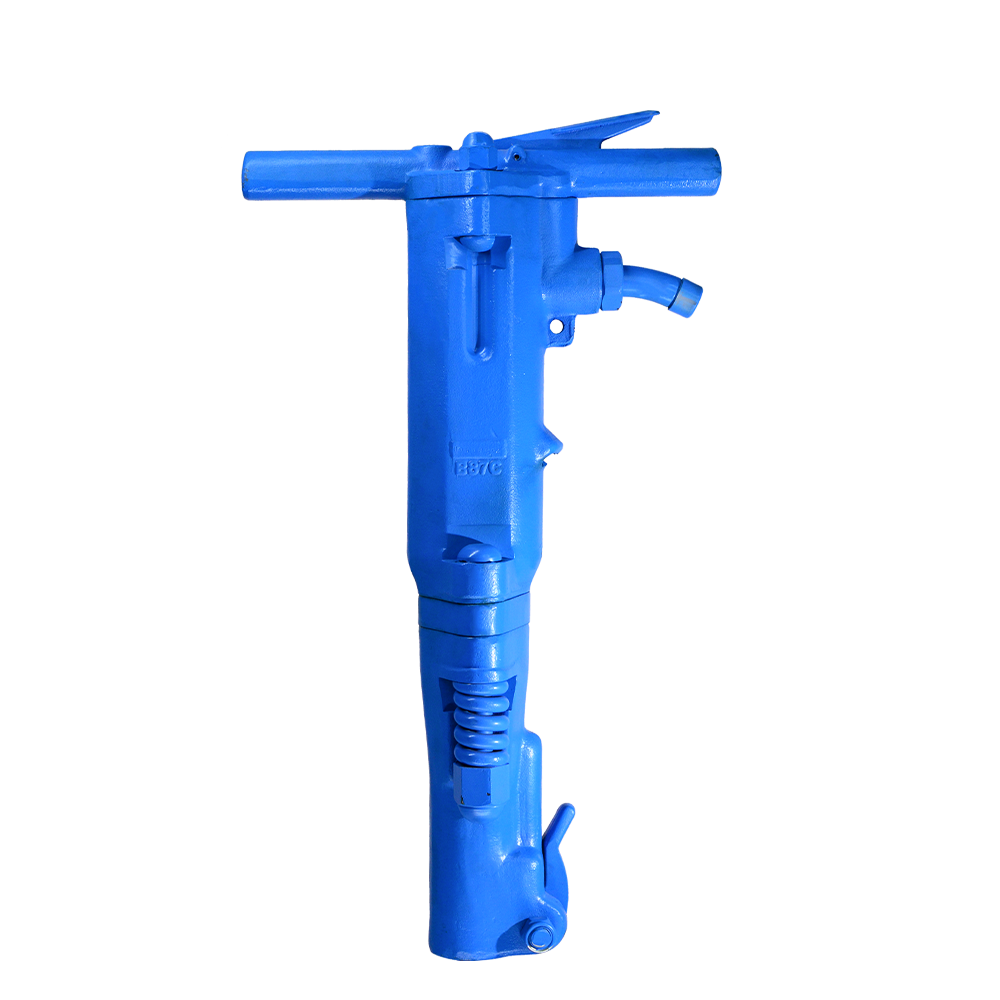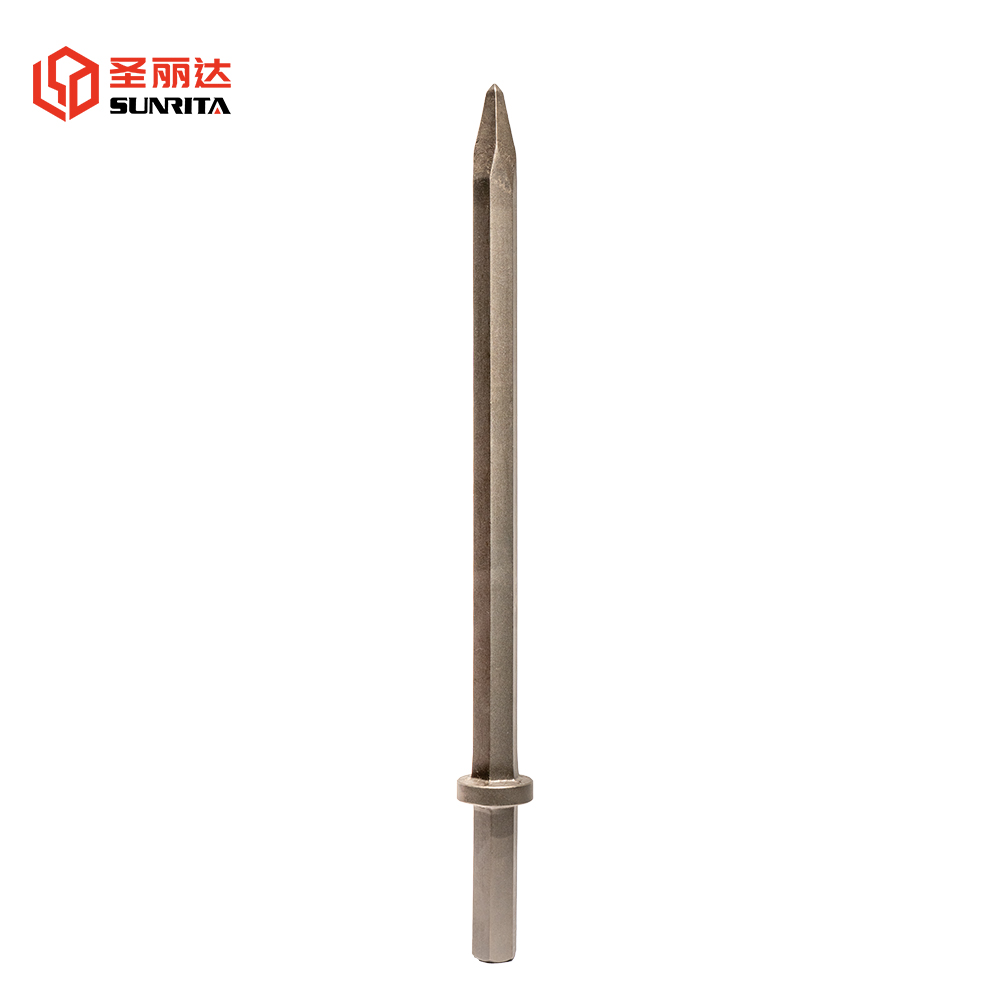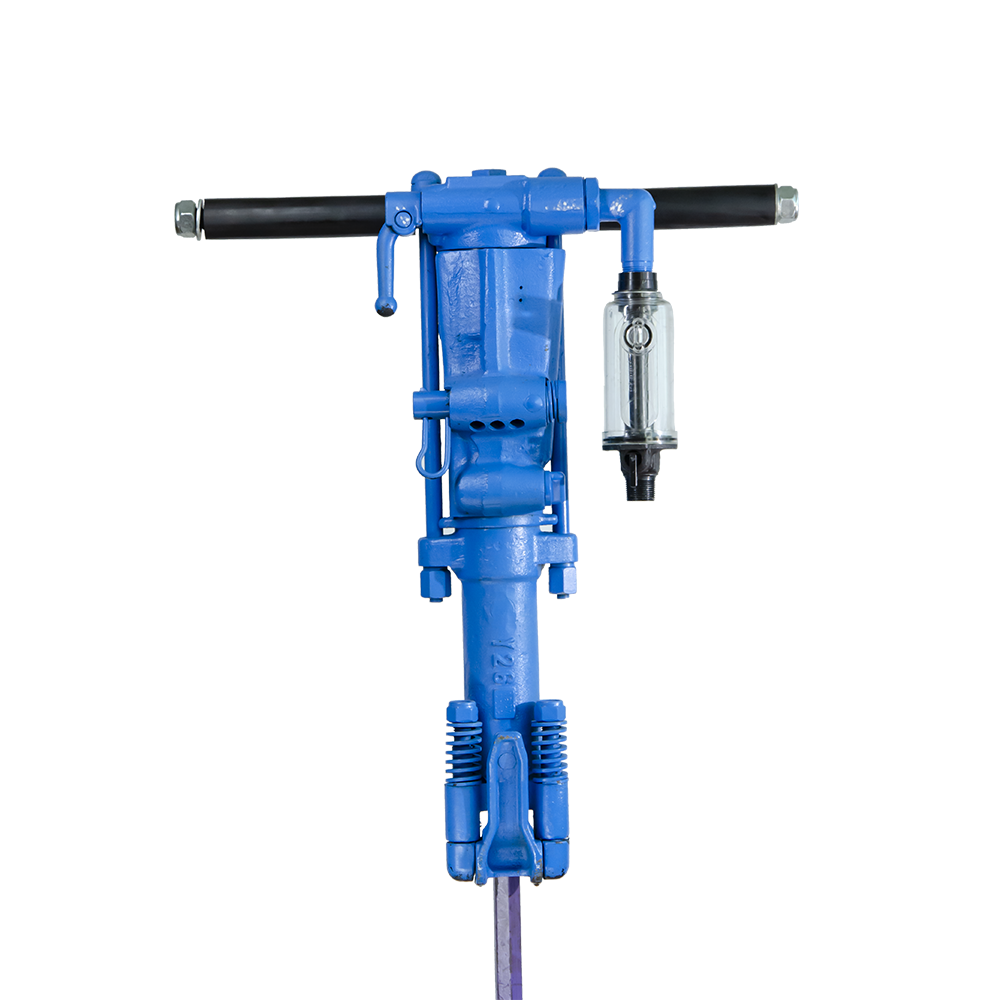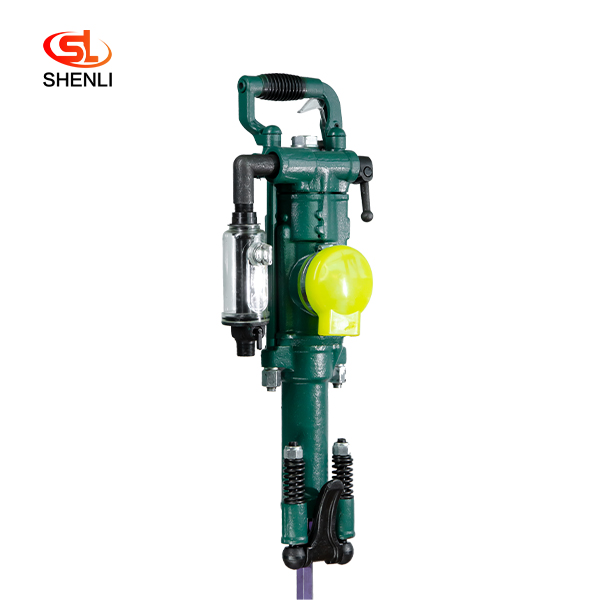
Featured Railway Engineering Drilling Tools
Engineered for absolute compatibility with the S83 Rock Drill system in rugged rail construction zones.
The Industrial Significance of S83 Rock Drill in Railway Engineering
Modern railway engineering demands speed, precision, and absolute mechanical reliability. Whether carving a path through high-altitude granite formations or securing unstable slopes along high-speed rail lines, the equipment deployed dictates the project timeline. The S83 Rock Drill stands out as a foundational pneumatic tool in this sector. Designed to operate under harsh conditions with minimal maintenance, it translates high-pressure compressed air into rapid percussive and rotational forces necessary to penetrate rock masses of varying hardness.
Historically, railway construction relied on heavier, less mobile drilling rigs that required extensive setup times. As railway projects expand into increasingly complex terrains—such as mountainous regions, deep valleys, and urban underground environments—the demand for highly mobile, high-performance hand-held or air-leg pneumatic drills has surged. The S83 Rock Drill meets this demand by bridging the gap between heavy-duty performance and maneuverability. Its optimized weight-to-power ratio ensures that operators can execute horizontal, inclined, and vertical blast holes with precision, making it an indispensable asset for railway tunneling and track-bed preparation.
High Penetration Speed
Engineered with an optimized piston stroke and valve mechanism to maximize impact energy per blow, reducing drilling cycle times in hard rock formations.
Low Maintenance Design
Heavy-duty steel alloy components and a robust internal lubrication system ensure long service life under continuous, multi-shift operations.
Ergonomic Control
Pusher-leg configuration distributes weight effectively, minimizing operator fatigue and improving safety during prolonged overhead or horizontal drilling.
Global Market Trends & Industrial Status
The global railway infrastructure market is undergoing a massive transformation. With the rise of high-speed rail (HSR) networks across Asia, Europe, and North America, there is an unprecedented focus on reducing tunnel excavation times. Current industry trends emphasize the integration of smart pneumatic systems, vibration reduction technologies, and energy-efficient compressors. The S83 Rock Drill aligns with these trends by offering high air-efficiency, allowing construction companies to reduce fuel consumption on mobile diesel compressors—a key factor in lowering the carbon footprint of major public works.
Furthermore, the industrial status of pneumatic rock drills remains secure despite the rise of electric alternatives. Pneumatic tools offer unmatched reliability in wet, muddy, and explosive environments typical of underground railway tunnels. The simplicity of pneumatic maintenance means that on-site technicians can quickly service an S83 drill, replacing wear parts within minutes rather than requiring specialized electronic diagnostics. This keeps large-scale railway projects moving without costly delays.
Key Application Scenarios in Railway Infrastructure
How the S83 Rock Drill is deployed across critical stages of railway construction and maintenance.
Mountain Tunneling & Micro-Tunneling
In mountain railway alignment, tunnels are frequently required to maintain low grades for heavy freight and high-speed passenger trains. The S83 Rock Drill, paired with robust pusher legs (such as the YT24 style), is utilized for drilling blast holes in the tunnel face. Its ability to handle water flushing keeps dust levels low, ensuring compliance with underground safety regulations while maintaining visibility for the operators.
Scenario 02Slope Stabilization & Rock Bolting
Cuts made through hillsides to lay railway tracks often leave unstable rock faces. To prevent catastrophic rockfalls onto active tracks, engineering teams use the S83 to drill deep rock bolt holes. These holes are then filled with steel tendons and grout to lock the rock strata together. The maneuverability of the S83 allows operators to work on scaffolding or suspended platforms along steep cliffs.
Culvert Excavation & Drainage Channels
Water management is vital to preserve the integrity of the railway ballast. Excess water can wash away the subgrade, leading to track misalignment. The S83 is deployed to excavate drainage ditches, culverts, and trenches through solid rock shelves alongside the main line, ensuring rapid water runoff away from the concrete sleepers.
Scenario 04Track Bed Anchoring & Bridge Abutments
When transitioning from open ground to concrete bridges or viaducts, track beds must be firmly anchored to the bedrock. The S83 rock drill provides the precise, deep drilling required for structural dowels and anchor bolts that tie the railway bridge abutments to the geological foundation.
Company Profile
Shenli: A Legacy of Excellence in Pneumatic Rock Drilling Technology
SHENLI is a leading supplier of superior pneumatic tools for the construction, mining and industrial markets. Since 2005, the Shenley brand has been synonymous with quality and innovation.
For over a decade, the SHENLI brand has represented performance, innovation and quality in the pneumatic tool industry. The SHENLI product line now offers a complete line of pneumatic tools, a wholly owned factory, pneumatic tools and a full line of accessories. With superior product performance, as well as superior product and reliability, competitive pricing for factory direct sellers, exceptionally ergonomically designed tools and quality warranty terms, Shenley has become an industry leader.
We take every customer's problem seriously so that we can solve our common problems, and choosing Shenley is just the beginning for you. SHENLI will provide reliable service and support through every step of the process from product consultation to final delivery.
Corporate Culture & Vision
Striving to be a world-class supplier of rock drills and pneumatic solutions.

Adhering to the development experience of pneumatic tools for many years, Shenli takes "customer first, service first" as the spirit of enterprise, and "strive to become the world's first-class rock drill provider" as the vision, constantly innovate technology, strive for perfection, and open up a broader market for customers.
Global Client Cases & Railway Projects
Proven partnerships and successful deployments of S83 drilling equipment worldwide.


Dutch Clients: Custom S83 Order
The Dutch customer came to our factory and was satisfied with the production equipment, raw materials as well as advanced processes that we have in place. The client then signed a custom order for 500 units after being shown all of these great things about what is possible here at this facility! They hope long-term cooperation can occur between both parties moving forward since they are happy overall from their visit today.


U.S. Customers: Tunneling Partnership
The American customer visits our factory and has an in-depth negotiation to reach a long-term cooperation relationship, focusing on high-speed rail line tunneling equipment supply and continuous spare parts distribution.


Japanese Customers: Co-design & Development
The Japanese customer was very satisfied with the factory equipment and production process. He also proposed that they work together on design, which would give them an edge over their competitors who do not have this partnership!


India Customers: ISO 9001 Compliance
We are delighted that Indian customers have visited our factory to learn more about ISO 9001 certification, which opens up new opportunities for us to collaborate. We explained in detail which parts go to which products, and how many different assembly lines there are, and we all understood. He is looking forward to working with us. This is our first cooperation, and we still maintain a cooperative relationship.
State-of-the-Art Factory Tour
How we build precision rock drilling equipment from raw materials to finished products.
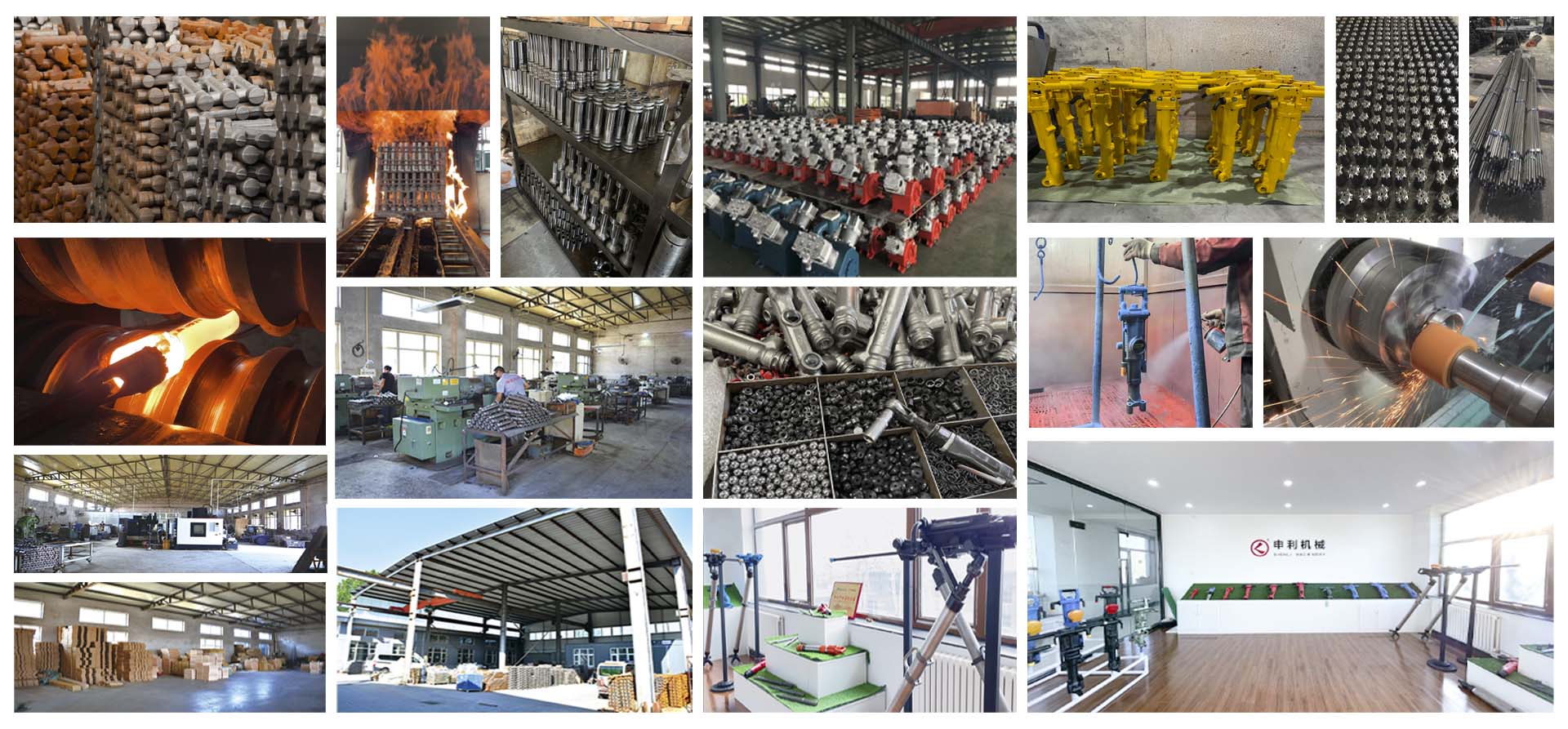
Our Advanced Production Capabilities
- Raw materials: All materials are sourced from domestic and international well-known suppliers, and the quality is free from any flaws.
- Processing: We have all precision machining production lines, including high-precision CNC lathes, and multi-axis CNC milling machines. Machine tools are from well-known brands, and online quality assurance is performed at every step.
- Heat treatment: All heat treatment activities are carried out in a sealed quench furnace with facilities including but not limited to carburizing, nitriding, volume quenching, annealing, and tempering.
- Grind: We have world-class grinding equipment that is capable of maintaining dimensions to within 3 microns. The grinding line includes state-of-the-art equipment including universal CNC grinding machines, cylindrical CNC grinding machines with process gauges, CNC internal diameter grinding machines, and universal CNC grinding machines.
- Surface treatment: We offer a range of surface treatment options painting and other processes. These processes increase the service life of the tools and provide them with an appearance that meets the customer's requirements.
- Assembly & Commissioning: Assembly and testing are carried out by our dedicated team on custom-built assembly platforms and test machines. Each assembled rock drill is tested for torque, BPM, and air consumption. After successful testing, each machine receives a test certificate to ensure its quality.
Quality Control & Certifications
Zero-defect policy, international standards, and certified safety compliance.
Quality Standards & Goals
Our quality standard is anchored on four pillars:
- Customer satisfaction is achieved through the provision of 'zero defect' products and timely delivery.
- Ensuring an orderly programme.
- Increased production efficiency through the latest technology and equipment.
- The company provides regular training to its employees in accordance with the defined objectives, training needs and requirements.
Shenli is ISO 9001:2015 certified. We strive to constantly monitor and improve our processes to ensure the highest quality products. Experienced quality inspectors use a variety of precision instruments and special gauges to test the dimensional and functional performance of all components. Regular internal and external quality audits are carried out to continuously improve quality.
CE certification is a mandatory conformity mark for certain products sold within the European Economic Area (EEA). CE stands for "Conformité Européenne" which translates to "European Conformity." The CE mark certifies that a product has met EU consumer safety, health or environmental requirements. CE certification also allows manufacturers to freely circulate their products within the EEA. ISO 9001:2015 is an international quality management system (QMS) standard that outlines requirements for a quality management system. The standard is designed to help organizations ensure they meet customer and regulatory requirements. Our factory has been ISO 9001:2015 certified since 2015, and all of our products are CE certified. This ensures that our products meet high standards of quality and safety, and that they can be freely circulated within the EU. CE certification and ISO 9001:2015 certification are just two of the ways we ensure that our products are of the highest quality.

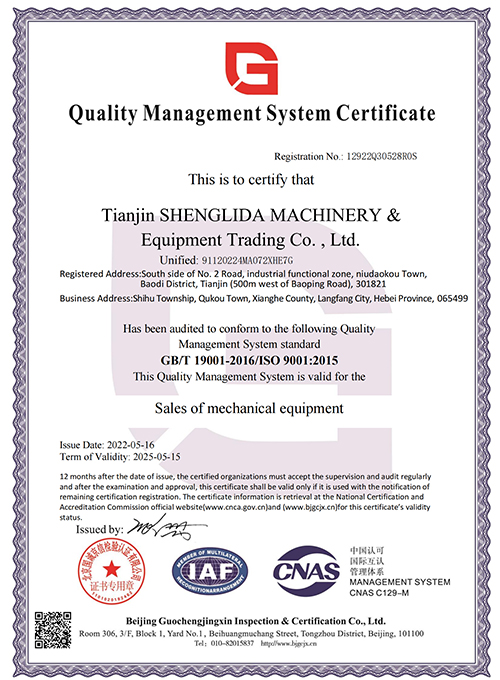
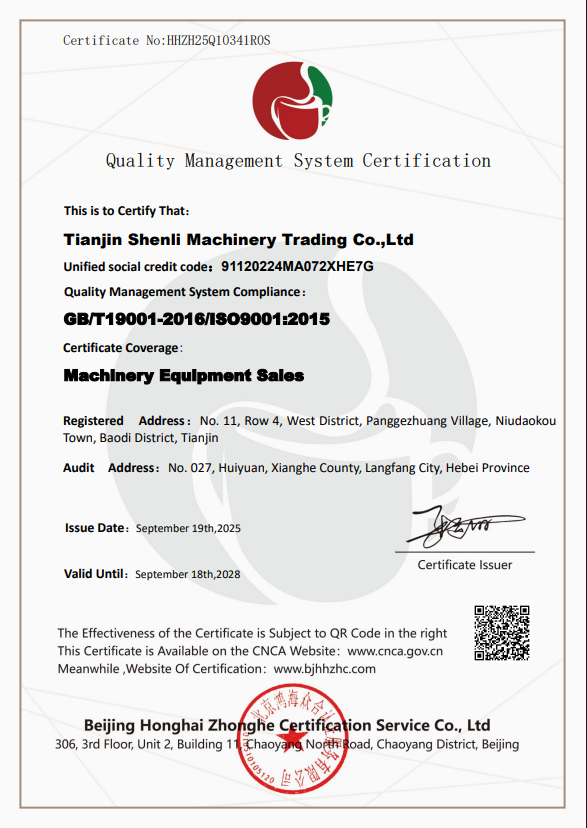
ISO 9001:2015
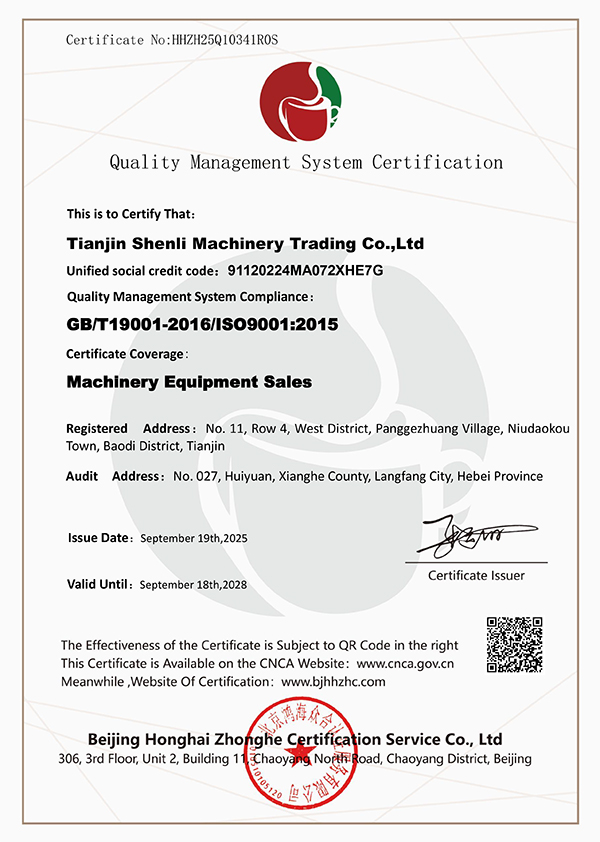
Quality System Certified

CE Compliant Air Picks

CE Compliant Rock Drills

Intellectual Property Certificate
Technical Deep-Dive: S83 Rock Drill Mechanics and Efficiency
To truly appreciate why the S83 Rock Drill is highly regarded in railway engineering, one must look at its mechanical core. The drill operates on a reciprocating piston design, driven by compressed air supplied at pressures typically ranging from 0.4 to 0.63 MPa. As the compressed air enters the cylinder, it is directed by a highly sensitive valve mechanism to alternately drive the piston forward and backward. The forward stroke delivers a high-impact blow to the shank adapter of the drill steel, which in turn transmits shockwaves to the drill bit, fracturing the rock face.
Simultaneously, a rifle bar mechanism translates the linear stroke of the piston into rotational movement. This rotation is crucial: it ensures that the carbide buttons on the drill bit strike a fresh area of rock with every blow, preventing the bit from binding and ensuring a perfectly cylindrical hole. In railway engineering, where hole straightness is vital for inserting long anchor bolts or layout charges, this precise rotation-to-impact ratio prevents drilling deviation in stratified rock formations.
Another technical feature of the S83 is its integrated wet-flushing system. Water is injected through a central tube running through the length of the machine directly to the drill bit. The water mixes with the crushed rock powder, forming a slurry that is pushed out of the hole by exhaust air. This wet-drilling capability is not only essential for dust suppression—protecting operators from silicosis—but it also cools the drill bit, preventing premature wear of the tungsten carbide buttons.
Future Development Trends in Pneumatic Drilling
Looking forward, the development of pneumatic rock drills like the S83 is focusing on three key areas: vibration damping, noise reduction, and automation. Prolonged exposure to hand-arm vibration can lead to occupational health issues for railway workers. Modern S83 iterations are incorporating spring-loaded handles and shock-absorbing housings that isolate the operator from the intense percussive energy. Noise mufflers, made from impact-resistant polymers, are also being integrated to lower the decibel level of the exhaust air without restricting flow or causing freezing.
In terms of automation, there is a growing trend to mount S83 rock drills on small, remote-controlled crawler rigs or hydraulic booms. This allows operators to stand at a safe distance while the machine drills pattern holes for tunnel blasting or slope stabilization. By combining the reliability of pneumatic drilling with the safety of remote hydraulics, railway contractors can achieve higher productivity rates while minimizing on-site hazards.
Complete Product Catalog
Explore our full range of pneumatic rock drills, breaker hammers, compressors, and drilling accessories.