

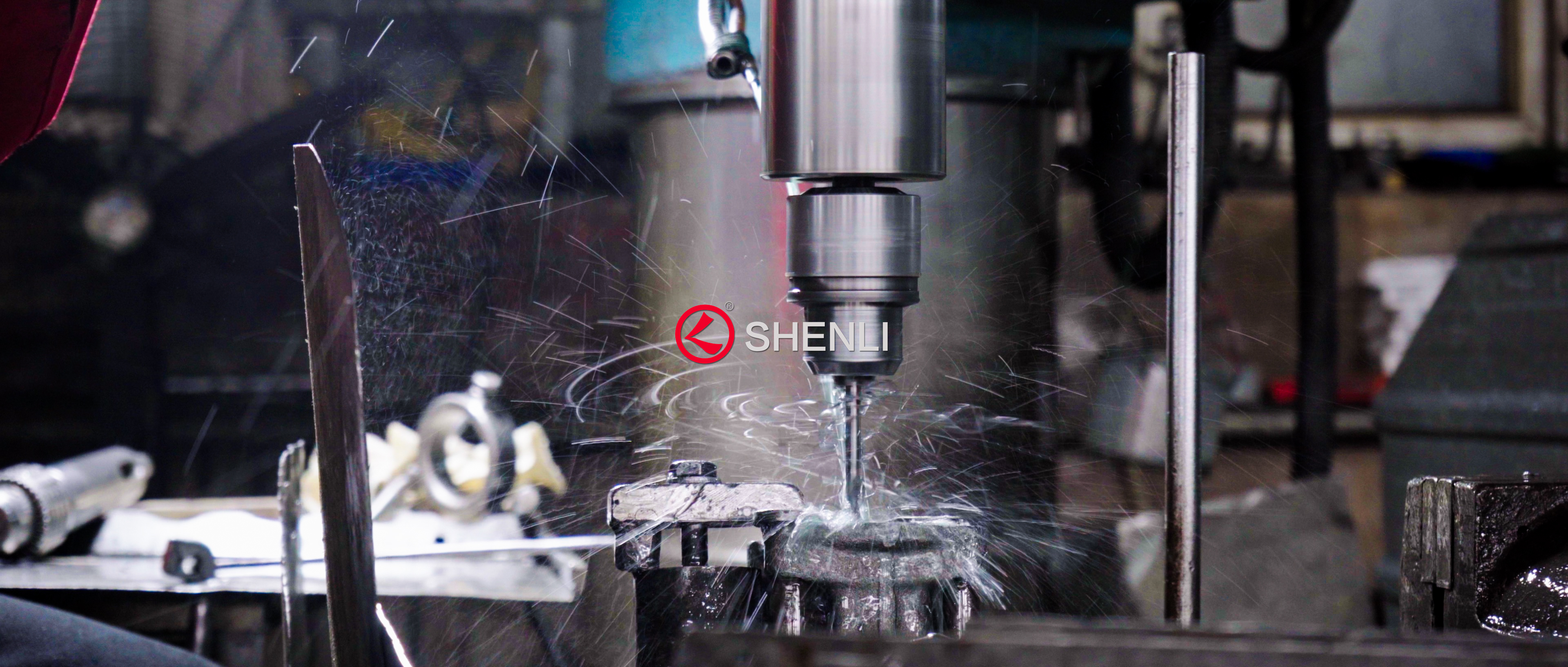
For mining companies, quarry operators, demolition contractors, and construction businesses, the purchase price of a pneumatic breaker is only one part of the total equipment cost.
The real cost also includes compressed-air consumption, replacement chisels, spare parts, maintenance, transportation, downtime, and procurement efficiency. A pneumatic breaker with a lower initial price may not necessarily be the most economical choice if it consumes more air, requires frequent replacement parts, or causes unnecessary downtime.
For this reason, buyers should evaluate the total cost of ownership (TCO) rather than comparing pneumatic breakers only by their unit price.
This guide explains how to reduce pneumatic breaker costs through direct factory purchasing, correct model selection, spare-parts planning, bulk purchasing, and proper maintenance.
1. Buy Directly from a Pneumatic Breaker Manufacturer
Buying directly from a pneumatic breaker manufacturer can simplify the supply chain and reduce unnecessary distribution costs.
When a product passes through multiple trading companies, importers, and distributors, each layer may add its own margin, handling costs, or logistics charges. Purchasing directly from a factory gives buyers a more direct connection with the manufacturer.
For international buyers, direct factory purchasing can also make communication about specifications, spare parts, packaging, delivery schedules, and technical requirements more straightforward.
Before placing an order, buyers should evaluate more than the unit price. Important factors include:
-
Manufacturing capability
-
Product specifications
-
Quality-control procedures
-
Spare-parts availability
-
Minimum order quantity (MOQ)
-
Production lead time
-
Warranty and after-sales support
-
Export experience
A direct relationship with a manufacturer can be particularly useful for distributors, mining contractors, and construction companies that need a stable long-term supply.
2. Choose the Right Pneumatic Breaker for the Application
Using the same pneumatic breaker for every application is not always economical.
Different jobs require different levels of impact performance. Asphalt, ordinary concrete, reinforced concrete, masonry, and hard rock may require different breaker sizes and tooling.
If the breaker is undersized for the application, the operator may need to work longer or apply excessive force. This can increase air consumption, accelerate wear, and reduce productivity.
If the breaker is oversized, the buyer may be paying for more power and equipment capacity than the application actually requires.
When selecting a pneumatic breaker, consider:
-
Material hardness
-
Concrete thickness
-
Rock type
-
Required productivity
-
Working position
-
Available air pressure
-
Compressor capacity
-
Daily operating hours
-
Chisel specification
3. Pneumatic Breaker Model Comparison
The following specifications are based on the manufacturer's current product information. Buyers should confirm the latest specifications and availability before ordering.
| Model | Piston Diameter | Piston Stroke | Impact Frequency | Weight | Air Consumption | Bit Head Size |
|---|---|---|---|---|---|---|
| TCA-7 | 35 mm | 120 mm | 1250 BPM | 7.2 kg | 1.0 m³/min | R26×80 |
| TCD-20 | 42.85 mm | 60 mm | 2000 BPM | 10 kg | 1.1 m³/min | R26×80 |
| TS11 | 38 mm | 135 mm | 1630 BPM | 10.1 kg | 19 L/s | R22×82.5 |
| TPB-40 | 44 mm | 146 mm | 1050 BPM | 18 kg | 1.6 m³/min | R25×108 |
| TPB-60 | 57.15 mm | 100 mm | 1400 BPM | 30 kg | 2.0 m³/min | R32×152 |
| TPB-90 | 66.67 mm | 152 mm | 1400 BPM | 42 kg | 2.2 m³/min | R32×152 |
Buyers should compare air consumption, working pressure, impact frequency, impact energy, tooling dimensions, and equipment weight together.
4. Calculate the Real Operating Cost of a Pneumatic Breaker
The purchase price is only the beginning.
A practical total-cost calculation can include:
Total Cost = Purchase Price + Compressed-Air Cost + Tooling Cost + Maintenance Cost + Logistics Cost + Downtime Cost
Compressed-air consumption is particularly important for pneumatic equipment.
For example, the TPB-40, TPB-60, and TPB-90 models have different air-consumption requirements. A buyer should therefore make sure that the available compressor can provide sufficient airflow for the selected model.
The correct comparison should not focus only on impact frequency. Buyers should consider the relationship between:
-
Air consumption
-
Impact frequency
-
Impact energy
-
Working pressure
-
Productivity
-
Tool life
5. Keep Pneumatic Breaker Spare Parts in Stock
Unexpected downtime can become one of the most expensive parts of pneumatic breaker operation.
For regular users, it is useful to keep commonly required replacement components available.
Depending on the model, these may include:
-
Pneumatic breaker chisels
-
Moil points
-
Asphalt cutters
-
Hex shank tools
-
Drill rods
-
Seals
-
O-rings
-
Springs
-
Valves
-
Other model-specific components
The replacement tooling must match the pneumatic breaker.
The shank diameter, shank length, working end, locking method, and other dimensions should be checked before ordering.
6. One-Stop Purchasing Reduces Procurement Complexity
Buying the pneumatic breaker and matching tooling from the same manufacturer can simplify procurement.
Instead of purchasing the breaker, chisels, spare parts, and drill rods from several unrelated suppliers, buyers can consolidate compatible products into one order.
This may help reduce:
-
Multiple freight charges
-
Repeated sample orders
-
Compatibility problems
-
Supplier communication
-
Different delivery schedules
-
Emergency purchasing
For overseas buyers, having one supplier for the main equipment and matching spare parts can also make repeat orders easier.
7. Bulk Orders and MOQ
For distributors, contractors, and industrial users with regular demand, bulk purchasing can improve supply planning.
The factory's current minimum order quantity is:
MOQ: 10 units
Sample orders are also available for buyers who want to test the pneumatic breaker before placing a larger order.
This provides a practical purchasing process:
Sample → Performance Testing → Bulk Order
Before placing a bulk order, buyers should confirm:
-
MOQ
-
Production lead time
-
Available stock
-
Spare-parts supply
-
Packaging
-
Shipping terms
-
Payment terms
-
Warranty
8. Why Choose a Pneumatic Breaker Factory with In-House Production?
A manufacturer's production capability can directly affect quality consistency, delivery time, and spare-parts availability.
Xianghe Shenli Pneumatic Machinery Factory was established in 2005 and operates a factory covering approximately 16,000 square meters, with more than 60 employees.
The company has dedicated sales and production departments, allowing customer communication and manufacturing operations to be handled by specialized teams.
The factory's production capabilities include:
-
CNC machining
-
Forging
-
Heat treatment
-
Pneumatic equipment manufacturing
-
Spare-parts production and supply
For buyers, in-house manufacturing can provide a more direct connection between product specifications and production.
9. Choose a Manufacturer with Export Market Experience
For international buyers, manufacturing capability is only one part of supplier selection.
Communication, documentation, packaging, shipping coordination, and after-sales support are also important.
Shenli primarily serves customers in Latin American and English-speaking markets.
This market experience can be useful when buyers need communication in English, product documentation, repeat orders, and export coordination.
International buyers should still confirm the specific shipping terms, destination requirements, certifications, and documentation needed for their market before ordering.
10. How to Extend Pneumatic Breaker Service Life
Correct operation and maintenance can significantly affect pneumatic breaker service life.
Use the Recommended Working Pressure
The TPB-90 specifications provided by the factory list a working pressure of 0.63 MPa.
Different models may have different recommended operating conditions. Always follow the manufacturer's specifications for the selected model.
Maintain Proper Lubrication
Pneumatic breakers require appropriate lubrication to reduce friction and protect internal components.
Provide Adequate Airflow
The compressor, air hose, and fittings should provide sufficient airflow for the selected breaker.
An undersized hose can restrict airflow and affect tool performance.
Keep the Breaker Properly Aligned
Avoid excessive side loading or unnecessary rocking during operation.
Replace Worn Tooling
A severely worn or damaged chisel can affect efficiency and may increase stress on the equipment.
11. What Should You Ask Before Buying a Pneumatic Breaker?
Before sending an inquiry, buyers should prepare information about their application.
Useful information includes:
-
What material will be broken?
-
What is the material thickness or hardness?
-
How many hours per day will the breaker operate?
-
What air pressure is available?
-
What compressor capacity is available?
-
Which model is recommended?
-
What is the air consumption?
-
What chisel specification is required?
-
What is the MOQ?
-
Can I order a sample?
-
What is the production lead time?
-
Are spare parts available?
-
What warranty is provided?
-
Can you ship to my country?
Providing this information allows the manufacturer to recommend a suitable model rather than simply quoting a standard product.
Frequently Asked Questions About Pneumatic Breakers
What is a pneumatic breaker used for?
A pneumatic breaker uses compressed air to generate repeated impacts for breaking materials such as concrete, asphalt, masonry, and rock.
How do I choose the right pneumatic breaker?
Consider material hardness, application, required productivity, available air pressure, compressor capacity, operating hours, and tooling requirements.
What is the MOQ for your pneumatic breakers?
The current MOQ is 10 units. Sample orders are also available for customers who want to test the product before placing a bulk order.
Can I order a pneumatic breaker sample before a bulk purchase?
Yes. Sample orders are available, allowing buyers to evaluate the product and performance before placing a larger order.
What pneumatic breaker models are available?
The current product range includes models such as TCA-7, TCD-20, TS11, TPB-40, TPB-60, and TPB-90. Buyers should confirm current specifications and availability with the manufacturer before ordering.
What spare parts are available for pneumatic breakers?
Common replacement parts include pneumatic breaker chisels, moil points, seals, O-rings, springs, valves, and other model-specific components. Availability depends on the selected model.
How can I reduce pneumatic breaker operating costs?
Choose the correct model, ensure adequate compressor capacity, use compatible tooling, maintain proper lubrication, keep common spare parts in stock, and follow the manufacturer's operating recommendations.
About Xianghe Shenli Pneumatic Machinery Factory
Xianghe Shenli Pneumatic Machinery Factory was established in 2005 and operates a manufacturing facility of approximately 16,000 square meters with more than 60 employees.
The company specializes in pneumatic breakers, rock drills, and related pneumatic equipment and tooling.
Its production capabilities include CNC machining, forging, and heat treatment. The factory also has dedicated sales and production departments to support international customers and manufacturing operations.
The product range includes pneumatic breakers such as TCA-7, TCD-20, TS11, TPB-40, TPB-60, and TPB-90, as well as related rock-drilling equipment and replacement tooling.
Shenli supports sample orders and bulk purchasing with an MOQ of 10 units.
The company primarily serves customers in Latin American and English-speaking markets.
For buyers evaluating pneumatic breaker suppliers, Shenli can provide product specifications, matching tooling, spare parts, and supply solutions according to the customer's application and purchasing requirements.
Final Takeaway
Reducing pneumatic breaker costs is not simply about finding the lowest purchase price.
A better purchasing strategy considers the complete equipment lifecycle:
-
Buy directly from a qualified manufacturer when appropriate.
-
Select the pneumatic breaker according to the actual application.
-
Compare air consumption, impact performance, and tooling requirements.
-
Keep essential spare parts in stock.
-
Purchase compatible equipment and tooling from one supplier where practical.
-
Check the manufacturer's machining, forging, and heat-treatment capabilities.
-
Consider MOQ, sample testing, lead time, and warranty terms.
-
Maintain the breaker according to the manufacturer's operating recommendations.
-
Include downtime, spare parts, logistics, and maintenance when calculating total cost.
For mining, quarrying, demolition, and construction companies, these factors can have a significant effect on the long-term cost of pneumatic breaker ownership.
Contact us to inquire about relevant issues and obtain a quotation
Post time: Sep-20-2026
